Montenegro's Medical System: What Expats Should Expect
Everything expats need to know about healthcare in Montenegro. Public vs private healthcare, insurance options, hospitals, and medical costs explained.
8 min read
Montenegro's healthcare system combines public accessibility with growing private sector excellence, offering expats quality medical care at a fraction of Western European costs.
Quick Takeaways
- •Dual system: Public healthcare plus expanding private clinics
- •Private GP visits cost €20-40, specialists €40-80
- •Major hospitals in Podgorica, Kotor, and Bar
- •Dental tourism is popular due to quality and low prices
- •Private health insurance recommended for comprehensive coverage
Healthcare in a country of 620,000 people operates differently than in nations with vast medical infrastructure. Montenegro's system is small enough that you might encounter the same doctor in public clinic and private practice, that referral networks feel personal rather than institutional, and that the country's best specialists are known by reputation rather than found through online ratings.
The growing private sector has changed the calculus for expats significantly. Where once the choice was between basic public care and traveling to Serbia or Croatia for anything complex, Montenegro now offers competent private clinics covering most routine and intermediate needs. The gap between what is available locally and what requires cross-border travel has narrowed, though for genuinely specialized treatment, the small country's limitations remain real.
Overview of Montenegro's Healthcare System
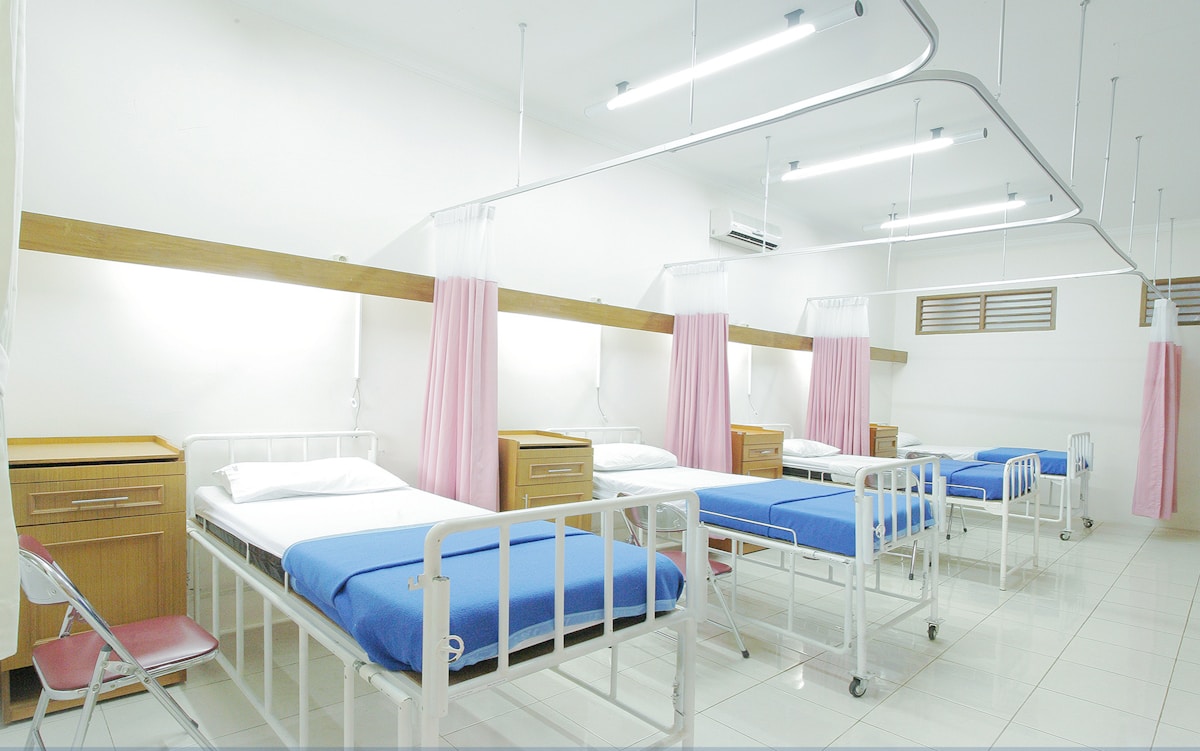
Montenegro operates a universal healthcare system funded through mandatory health insurance contributions. The Health Insurance Fund (Fond za zdravstveno osiguranje) provides coverage for residents, while the Ministry of Health oversees policy and standards.
The system includes primary healthcare centers (dom zdravlja) in every municipality, regional hospitals, and the Clinical Center of Montenegro in Podgorica as the main tertiary care facility.
Since EU candidacy, Montenegro has been upgrading healthcare infrastructure and training, resulting in improved standards. However, the private sector has grown rapidly to meet demand for faster, more personalized care.
Public Healthcare System
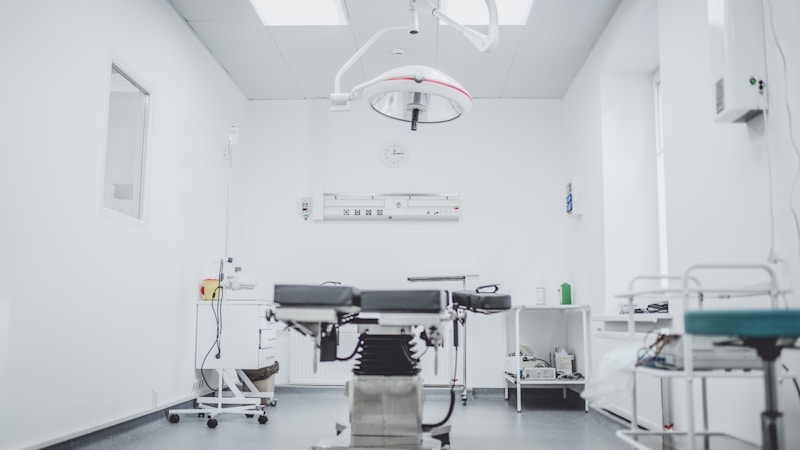
Public healthcare is accessible to all legal residents through the health insurance system. Employed individuals and their families are covered through employer contributions (typically 8.5% of salary), while retirees and self-employed persons pay directly—around €50-80/month for voluntary coverage.
Services include general practice, specialist consultations, hospitalization, emergency care, and subsidized medications. Co-payments are minimal, typically €1-5 for visits and prescriptions. Wait times for specialists average 2-4 weeks in Podgorica, longer in coastal areas during tourist season when the system strains under population surges.
Regional quality varies significantly. Podgorica's Clinical Center represents the highest public standard, while smaller coastal hospitals in Kotor and Herceg Novi handle routine care adequately but refer complex cases inland. Mountain areas like Kolašin and Žabljak have basic clinics—serious emergencies require helicopter or long ambulance rides to Podgorica.
Emergency care is provided to all regardless of insurance status. The emergency number is 124 (or 112 for general emergencies), and major hospitals maintain 24-hour emergency departments. Ambulance response averages 10-15 minutes in cities, potentially 30-45 minutes in mountain regions.
The small-system familiarity creates a care dynamic that large systems have largely sacrificed. Your doctor at the dom zdravlja remembers you, your history, and your concerns without consulting a file. The nurse who took your blood last time recognizes you in the waiting room and asks how that persistent cough resolved. This continuity of care, which large-system countries attempt to engineer through electronic health records and patient portals, occurs naturally in Montenegro because the scale permits it. A town of twenty thousand people has a limited number of doctors, and those doctors see the same patients year after year. The clinical value of being known—of having a physician who notices subtle changes in your presentation because they remember how you looked six months ago—is a form of medical quality that no technology can replicate.
Land Well takes this further than an article usefully can — 70 pages built around one question: how will daily life actually work there? See what it covers.
Private Healthcare Options
Private clinics have proliferated, particularly in Podgorica and coastal towns. They offer shorter wait times, newer equipment, English-speaking staff, and a more comfortable patient experience.
Major private facilities include Codra Hospital and Atlas General Hospital in Podgorica, and various specialty clinics along the coast. Many doctors work in both public and private sectors.
Costs remain affordable: general consultations €20-40, specialist visits €40-80, comprehensive blood tests €50-100, MRI scans €150-250.
Private clinics excel in dentistry, ophthalmology, dermatology, and diagnostic imaging. For complex surgeries or specialized treatments, referrals to Serbia, Croatia, or Turkey are common.
The dual-practice reality—where the same doctor treats you in both public and private settings—means navigating a duality that is itself a form of healthcare literacy. In the public clinic, Dr. Petrović has fifteen minutes and a waiting room of twenty patients. In the private practice across town, the same Dr. Petrović has forty-five minutes and a comfortable office with better equipment. The medical knowledge is identical; the attention, environment, and speed differ substantially. Understanding when the public system suffices (routine checkups, prescription renewals, blood work) and when private care justifies its cost (diagnostic complexity, time-sensitive concerns, specialist consultation) becomes a practical skill that optimizes both your health outcomes and your budget. Most long-term expats develop this navigation instinct within their first year.
Major Hospitals and Medical Facilities
The Clinical Center of Montenegro in Podgorica is the country's largest and most comprehensive medical facility, offering all major specialties and serving as a teaching hospital.
General Hospital Kotor serves the Bay of Kotor region and has been upgraded with EU funding. It handles most medical needs for the popular coastal area.
General Hospital Bar covers the southern coast, while specialized facilities exist for rehabilitation (Igalo) and pulmonary conditions (Brezovik).
For complex cases, many Montenegrins and expats seek treatment in Belgrade, Zagreb, or Istanbul, all accessible within a few hours by air.
Health Insurance for Expats
Expats with temporary or permanent residence can access the public system by paying into the Health Insurance Fund. Monthly contributions are based on income, typically €50-100 for self-insured individuals. The enrollment process requires residence documentation and patience with administrative procedures, but once established, the coverage provides a baseline of security.
Many expats supplement or replace public coverage with private international health insurance. Popular providers include Allianz, Cigna, and local insurers like Lovćen Osiguranje. The choice between local and international providers involves a trade-off: local policies are cheaper and integrate with Montenegrin clinics, while international policies offer broader geographic coverage and evacuation benefits that matter in a small country with limited specialized care.
Private insurance costs €50-150 monthly depending on age, coverage level, and pre-existing conditions. Comprehensive plans cover private treatment, emergency evacuation, and repatriation. The evacuation component deserves particular attention—Montenegro's geographic constraints mean that certain emergencies genuinely require rapid transfer to Belgrade, Zagreb, or beyond, and having that logistics chain pre-arranged through insurance eliminates a critical stress point. The calculation is not abstract but geographical: a cardiac emergency in Žabljak is two hours by road from Podgorica's Clinical Center, and mountain roads in winter add unpredictability that flatland distance calculations cannot capture. Helicopter evacuation, when available, transforms that timeline but costs thousands without insurance coverage. For expats living in mountain areas or remote coastal villages, the evacuation provision is not an insurance luxury but a geographical necessity.
For short-term visitors, travel insurance with medical coverage is essential. EHIC cards from EU countries are not valid in Montenegro, a fact that catches some European travelers off guard.
Dental Care and Medical Tourism
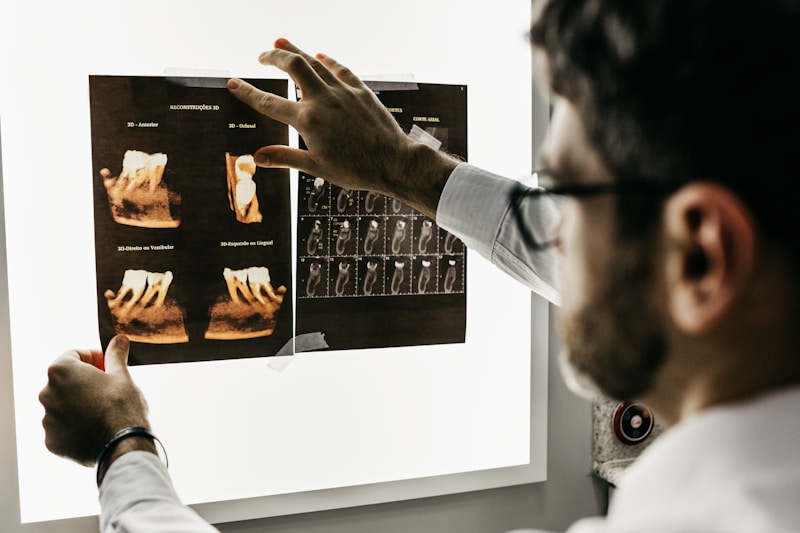
Montenegro has become a dental tourism destination, offering high-quality work at 50-70% less than Western European prices. Popular treatments include implants, crowns, veneers, and full restorations.
Dental clinics in Podgorica and coastal towns feature modern equipment and multilingual staff. A dental implant costs €400-700 compared to €1,500-2,500 in Germany or the UK.
Many clinics offer package deals including airport transfers and accommodation assistance. Popular dental tourism destinations include Tivat, Podgorica, and Budva.
Routine dental care is equally affordable: cleanings €30-50, fillings €25-50, root canals €80-150.
Pharmacies and Medications
Pharmacies (apoteka) are widespread and well-stocked. Major chains include Montefarm and private pharmacies in every town. Opening hours are generally reliable in urban areas, with duty pharmacies operating evenings and weekends on a rotating basis—pharmacy windows typically post the schedule for after-hours service.
Many medications available only by prescription in Western countries can be purchased over the counter in Montenegro, though regulations are tightening as part of EU harmonization. This accessibility can be convenient but also demands personal responsibility—self-medicating without professional guidance carries risks regardless of what the pharmacy will sell you.
Prices are generally lower than Western Europe, especially for generic medications. Pharmacists are knowledgeable and often speak some English, serving as informal first-line healthcare advisors in a culture where visiting a doctor for minor ailments is less automatic than in some Western countries. Building a relationship with a local pharmacist provides a resource that complements formal medical care.
For specialized or imported medications, Podgorica pharmacies offer the widest selection. Some expats order from neighboring countries for specific needs. Those taking long-term medications should establish reliable supply chains early—bringing several months' supply when relocating provides a buffer while you identify local equivalents or arrange ongoing prescriptions.
Practical Healthcare Tips for Expats
Register with a local dom zdravlja (health center) upon establishing residence to access the public system and get a personal doctor assigned. Bring your residence permit, passport, and proof of address. The bureaucratic process typically takes 1-2 visits.
Keep copies of medical records and a list of current medications in English. Bring sufficient supplies of essential medications when arriving—ideally 3-6 months' worth. Generic equivalents are usually available, but brand-name medications may require special orders.
Learn basic Serbian/Montenegrin medical terms or download Google Translate offline. 'Boli me' (it hurts), 'lijek' (medicine), and 'hitna pomoć' (emergency) cover basics. Younger doctors typically speak English, but administrative staff and older practitioners often don't. Consider asking a local friend to accompany you for complex appointments.
For non-emergency situations, private clinics provide faster service and more comfortable experiences worth the modest premium. Build relationships with reliable private doctors early—word-of-mouth recommendations from other expats are valuable. The Facebook group 'Expats in Montenegro' frequently discusses healthcare experiences and recommendations.
Building healthcare relationships before you need them transforms emergency situations from crises into managed events. The expat who has already visited their doctor for a routine checkup, who has the private clinic's number saved and the after-hours protocol understood, who has introduced themselves to the local pharmacist and established which medications they take—this person navigates a sudden illness or injury with competence rather than panic. The investment is modest: one or two appointments, a few conversations, perhaps a pharmacy visit to confirm medication availability. But the return on that investment, when a midnight fever or a weekend accident occurs, is disproportionate to the effort.
Final Verdict on Montenegro Healthcare
Montenegro's healthcare system offers a practical balance for expats: affordable access through the public system supplemented by reasonably priced private care. While not at Western European standards across the board, quality is improving steadily. For routine care and many specialist needs, Montenegro provides good value. For complex conditions, the option to travel to regional medical centers provides a safety net. With proper insurance and realistic expectations, most expats find their healthcare needs well met.
Written by
Carl S Moller
Founder & Editor, Expat Blueprint
Carl S Moller is the founder and sole editor of Expat Blueprint. He researches and writes every guide himself, working from immigration ministries, tax authorities, national statistics and recent first-hand reporting rather than claiming to have lived in all sixteen countries covered.
Keep the thread going
One reflective note every few weeks, and 20% off anything in the workbook shop the moment you sign up. The code is valid through 31 August 2026.
Unsubscribe any time. We never share your address. The 20% code is valid through 31 August 2026.