
Montenegrin Life: Coffee, Coast, and Cultural Pace
Montenegrin daily life centers on coffee, conversation, and seasonal rhythms — social customs, local pace, and the integration process for new arrivals.
8 min read
Montenegro blends Mediterranean ease with Balkan warmth, where long coffee rituals, evening promenades, and genuine hospitality define daily rhythms in one of Europe's smallest and most scenic nations.
Quick Takeaways
- •Coffee culture is central—expect long café sessions as social ritual
- •Evening promenade (korzo) is a daily social institution
- •Dramatic seasonal shift between summer bustle and winter quiet
- •Montenegrin directness is cultural, not rudeness
- •Cash remains common despite Euro currency
Life in Montenegro moves to Mediterranean rhythms with Balkan character. The day starts slowly, builds toward a long lunch, pauses for afternoon rest, then reawakens for evening promenade and late dinners. This pace can frustrate those accustomed to Northern European efficiency, but most expats find it becomes one of Montenegro's greatest appeals.
Understanding Montenegrin culture means accepting that relationships matter more than transactions, that community visibility shapes reputation, and that the seasonal swing between summer's tourist energy and winter's introspective quiet defines the country's character as much as its mountains and Adriatic coastline. The visibility of community life, where everyone's routines are known and noticed, creates an accountability that formal systems in larger countries cannot replicate—your presence is registered, your absences questioned, and your participation in daily rituals becomes the currency of belonging.
Coffee Culture: The Heart of Montenegrin Life
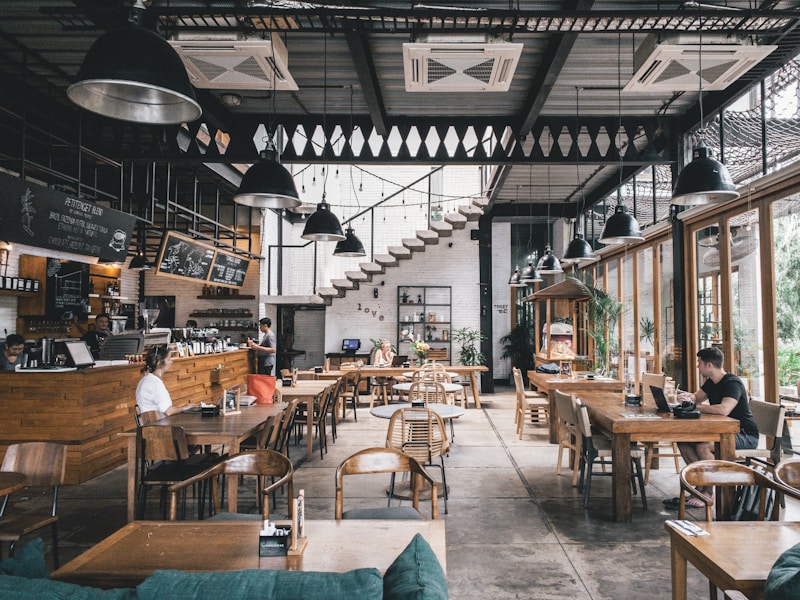
Coffee in Montenegro isn't a caffeine delivery mechanism—it's social infrastructure. Mornings begin at neighborhood cafés where regulars occupy the same tables daily, nursing espressos for hours while the world passes by. Understanding this ritual is essential for integrating into Montenegrin life.
The preferred drink is domaća kafa (domestic coffee), Turkish-style preparation served in small cups with grounds settling at the bottom. Espresso and cappuccino are widely available in tourist areas, but locals often view quick coffee consumption with gentle puzzlement.
Café hours serve functions that other cultures spread across offices, gyms, and social clubs. Business deals are discussed over coffee. Friendships are maintained through regular café appearances. News and gossip circulate through the café network faster than any digital channel. Missing your regular café slot means missing community participation.
For expats working remotely, understanding café culture offers both opportunity and adjustment. Many cafés tolerate laptop work, but positioning yourself correctly in the café ecosystem—acknowledging regulars, respecting peak hours, understanding when laptop presence is welcome—takes observation and gradual integration.
What emerges over months is how the café economy creates a social safety net that functions alongside formal institutions. Regulars notice absences and check on each other. The waiter who has served your morning coffee for six months will ask after you if you miss three days running. Elderly patrons who sit alone are not ignored but incorporated into the wider table's conversation when the mood allows. This passive surveillance, which might feel intrusive to privacy-oriented newcomers, functions as genuine community care in a country where institutional social services are limited. The café becomes the place where someone notices you are struggling before you have articulated it to yourself—a form of support that no government program can replicate.

The Korzo: Evening Promenade Tradition
As afternoon heat fades, Montenegrins take to the streets for the korzo—the evening promenade that defines social life across Mediterranean and Balkan cultures. Waterfronts, main squares, and pedestrian streets fill with families, couples, and groups strolling, greeting acquaintances, stopping for ice cream or drinks.
The korzo serves essential social functions. It's where young people meet potential partners, where families display children's accomplishments, where business connections are reinforced through visible conviviality. Skipping the korzo means opting out of community visibility.
Tourist areas like Kotor and Budva see korzo culture blend with visitor traffic, but the tradition remains distinctly local. Observant expats notice the same faces appearing nightly, the subtle choreography of who greets whom, the way tables at korzo-adjacent cafés become reserved through unspoken custom.
Participating in korzo requires mainly showing up. Dress presentably—Montenegrins take evening appearance seriously—and walk slowly. Stop to greet people you recognize. Accept that being seen is part of belonging. Over time, the korzo becomes less observation and more participation.
The shift from observation to genuine ritual happens gradually and almost imperceptibly. In the first weeks, you walk the korzo as an anthropologist, noting customs and feeling outside them. After a few months, you recognize faces and exchange nods. By the end of the first year, you have your route, your preferred café stop, your acquaintances whose greetings you would miss if they were absent. The korzo stops being something you do and becomes somewhere you go—the distinction matters because it marks the transition from performing local life to living it. Expats who reach this stage often describe the korzo as the moment they stopped feeling like visitors, not because anyone told them they belonged, but because the rhythm became their own.
Some of this only really lands when you hear someone else describe it. Memoirs about learning a language late, or about the first winter somewhere unfamiliar, tend to be honest in a way guides rarely are. Audible's first 30 days are free — which is usually enough time to find one book that changes how you read the rest of this.
Affiliate disclosure: the Audible link above is an affiliate link. If you start a trial through it, Expat Blueprint may earn a small commission at no extra cost to you. It never changes what we recommend. Read the full disclosure.
Land Well takes this further than an article usefully can — 70 pages built around one question: how will daily life actually work there? See what it covers.
Seasonal Duality: Summer Bustle and Winter Quiet
Montenegro experiences seasonal shifts that transform daily life more dramatically than anywhere in Western Europe. Understanding and accepting this duality is essential for long-term expat satisfaction.
Summer brings tourist crowds, extended business hours, nightly events, and constant social energy. Coastal towns buzz from June through September, with populations multiplying several times over. Restaurants open temporary locations, beach bars operate around the clock, and the Adriatic lifestyle reaches full expression.
Winter tells a different story. Many coastal businesses close entirely from November through March. Towns that hosted thousands of visitors empty to their permanent populations. Restaurants reduce hours or shut for months. The Bay of Kotor, spectacular year-round, falls quiet enough to hear your footsteps echo off medieval walls.
Some expats love both seasons—summer's energy and winter's contemplative peace. Others struggle with the contrast, particularly the winter isolation in coastal areas. Podgorica maintains more consistent year-round rhythm, making it attractive for those who find seasonal extremes challenging. Honest self-assessment about which rhythm suits you saves considerable adjustment difficulty.
The winter quiet reveals whether your attachment to Montenegro is to the lifestyle or to the scenery—a distinction that matters more than most expats anticipate before experiencing their first off-season. Those attached to the lifestyle discover that the quiet months deepen their relationship with the country, stripping away the performative elements of summer and leaving only the genuine substance of daily Montenegrin life. Those attached primarily to the scenery and summer energy find winter confronting, because the mountains and bay remain beautiful but the social infrastructure that animated them has contracted. This self-knowledge, uncomfortable to acquire, ultimately determines whether Montenegro becomes a permanent home or a seasonal retreat—and both answers are perfectly valid. The couples who stay through a second winter knowing exactly what it holds have made a choice that no summer visitor can fully understand.
Navigating Daily Systems and food, Dining, and Culinary Culture
Despite using the Euro, Montenegro's economy remains significantly cash-based. Small shops, markets, taxis, and some restaurants prefer cash. ATMs are widely available, but card payment infrastructure outside tourist areas can be unreliable. Carrying cash remains practical. The particular cash-economy rhythm takes getting used to for expats from card-dominant societies—remembering to withdraw before weekends, keeping small denominations for market purchases, and accepting that some of the best meals and services operate entirely outside the digital payment world. This cash orientation reflects both infrastructure limitations and a cultural preference for transactions that leave no digital trail, a preference that EU accession negotiations may eventually change but that currently defines daily commerce in smaller towns.
The Serbian language (often called Montenegrin locally) dominates daily life. English is common in tourist areas and among younger people but limited among older populations and in administrative contexts. Learning basic phrases—greetings, numbers, common transactions—demonstrates respect and eases daily navigation.
Bureaucracy operates at Balkan pace. Administrative tasks that take hours elsewhere may require multiple visits, waiting in lines, and patience with systems that prioritize relationships over efficiency. Bringing a local contact to navigate bureaucratic encounters often proves valuable.
Driving follows Mediterranean norms—assertive, flexible with rules, and requiring defensive awareness. Mountain roads demand respect; coastal roads during summer demand patience with tourist traffic. Locals drive confidently on roads that might alarm visitors, but accident rates remain reasonable by regional standards.
Montenegrin cuisine reflects its geography—Adriatic seafood along the coast, hearty mountain fare inland, Italian influences throughout, and quality local ingredients everywhere. The country's small scale means even modest restaurants often source from local farms and fishermen.
The konoba (tavern) represents Montenegro's dining soul. These family-run establishments serve traditional dishes at wooden tables, often with house wine poured from unlabeled bottles. Njeguški pršut (smoked ham from Njeguši village) and local cheeses are essential tastes; fresh grilled fish remains the coastal staple.
Dining operates on Mediterranean schedule. Lunch, often the main meal, extends from early afternoon. Dinner rarely begins before 8pm, often later. Restaurants tolerate lingering—there's no pressure to vacate tables for turnover. The bill arrives only when requested, sometimes requiring explicit demand.
Home hospitality follows generous traditions. Invitations to Montenegrin homes typically mean abundant food, insistent refilling of plates, and rakija (fruit brandy) offered repeatedly. Arriving with small gifts—sweets, wine, or flowers—is appreciated. Expect to leave significantly more full than comfortable.
The konoba experience teaches patience and trust in ways that extend beyond food. Surrendering menu control to the owner—asking simply what is good today and accepting whatever arrives—often produces better meals than deliberate ordering from a printed menu. The owner knows what the fisherman brought that morning, which cheese has aged properly, and how much food your table actually needs. This surrender of choice feels uncomfortable for those accustomed to curating every dining decision, but it reflects a broader Montenegrin principle: expertise resides in relationships rather than information, and trust, once extended, is rarely betrayed.
Embracing the Montenegrin Pace
Montenegro rewards expats who genuinely adapt rather than merely tolerate its rhythms. The coffee ritual, evening promenade, and seasonal shifts aren't inconveniences to work around—they're the substance of life here. Those who embrace these patterns find a quality of daily existence that's increasingly rare in faster-paced societies.
Integration takes time in Montenegro's tight-knit communities. Visibility matters: showing up consistently at local cafés, participating in korzo, greeting acquaintances warmly, and accepting hospitality builds the reputation that opens doors. Montenegro's small size means your community investment compounds—people remember, and word travels. The patience required for integration pays dividends in belonging.
Written by
Carl S Moller
Founder & Editor, Expat Blueprint
Carl S Moller is the founder and sole editor of Expat Blueprint. He researches and writes every guide himself, working from immigration ministries, tax authorities, national statistics and recent first-hand reporting rather than claiming to have lived in all sixteen countries covered.
Keep the thread going
One reflective note every few weeks, and 20% off anything in the workbook shop the moment you sign up. The code is valid through 31 August 2026.
Unsubscribe any time. We never share your address. The 20% code is valid through 31 August 2026.
Social Etiquette and Montenegrin Directness
Montenegrins communicate directly by Anglo-American standards. Expect straightforward opinions, minimal hedging, and commentary on personal matters that might feel intrusive elsewhere. This directness is cultural, not hostile—Montenegro's small-society dynamics mean everyone's business becomes somewhat communal.
Hospitality runs deep in Montenegrin culture. Guests are treated generously, often pressed to eat and drink beyond comfortable capacity. Refusing hospitality requires delicate navigation—outright rejection insults, while acceptance creates obligation. Learning to accept graciously while setting gentle limits is a valuable skill.
Reputation matters enormously in Montenegro's small communities. Your behavior becomes known—both positive and negative actions circulate quickly through social networks. This accountability can feel constraining but also creates trust and safety. Expats who invest in community relationships find doors opening; those who remain aloof may find integration difficult.
Greetings follow predictable patterns. Men shake hands; friends and family exchange kisses on alternating cheeks (typically three). Learn to recognize and respond to the standard greeting exchange. Failing to greet acquaintances on the street—even casually—registers as slight.