Adriatic Family Life: Schools, Safety, and Seasonal Realities in Montenegro
Montenegro gives families exceptional safety and outdoor childhoods at low cost — but limited school options and seasonal rhythms require honest planning.
8 min read
Montenegro offers families an exceptional combination of safety, natural beauty, and affordable living, though limited international school options and seasonal coastal dynamics require careful planning for long-term family relocation.
Quick Takeaways
- •Very safe country with low crime and family-friendly culture
- •Limited international school options—Knightsbridge in Tivat is primary choice
- •Excellent outdoor lifestyle with beaches, mountains, and national parks
- •Healthcare adequate for routine care; evacuation insurance recommended
- •Seasonal coastal life may not suit all families year-round
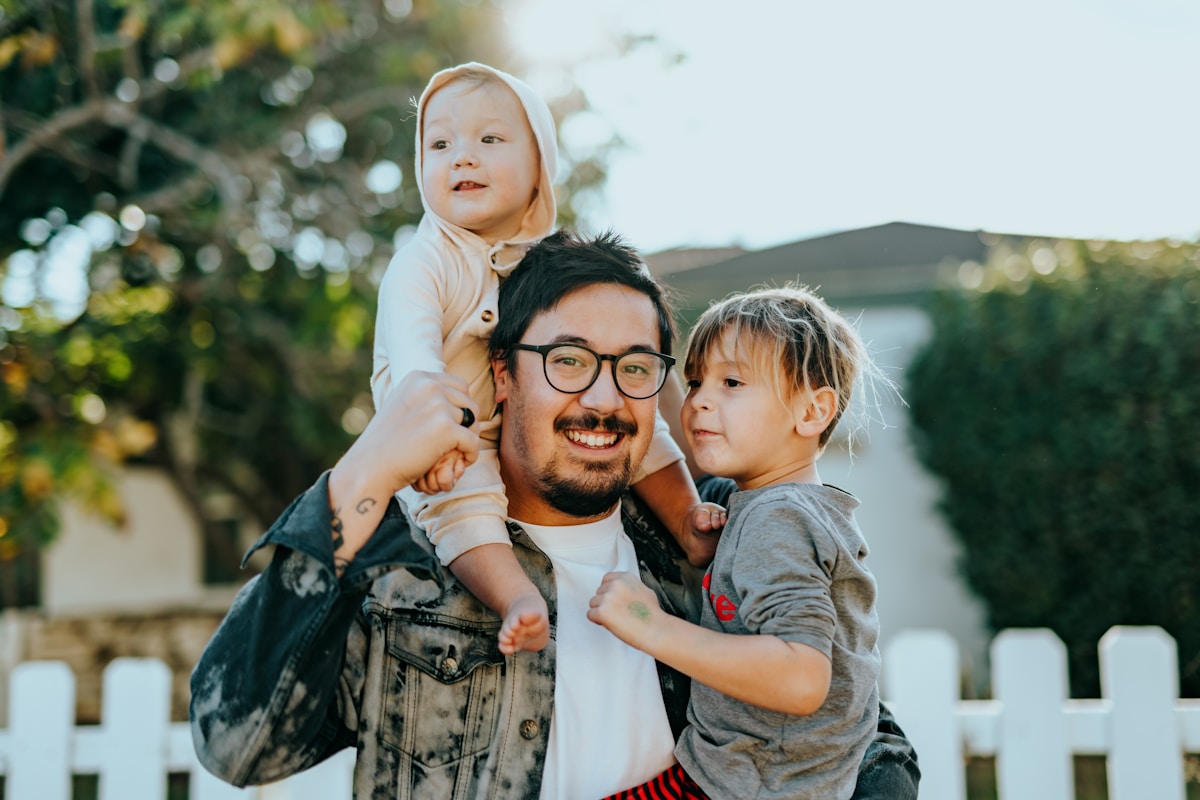
Montenegro's small size and natural beauty create an environment many families find ideal for raising children. Crime is low, outdoor activities are abundant, and the culture genuinely welcomes children in ways that feel different from more formal European societies. Children here grow up with independence, outdoor play, and community visibility that's increasingly rare elsewhere.
The challenges are real, however. International schooling options are limited, requiring either the one established international school or alternative education approaches. Healthcare, while adequate for routine needs, lacks the specialized pediatric resources of larger countries. And the seasonal rhythms of coastal life—bustling summers, quiet winters—don't suit every family's preferences. The compact geography means the entire country functions as your child's extended neighborhood, where a weekend trip to the mountains or the opposite coast takes less time than a cross-city commute in London.
Safety and Family Environment
Montenegro is genuinely safe for families. Violent crime is rare, and the kind of street-level safety that allows children to play outside with minimal supervision exists throughout the country. The small-society dynamics mean everyone is somewhat visible, creating informal accountability.
Traffic on mountain roads presents the primary hazard. Winding coastal and mountain routes require careful driving, and pedestrian infrastructure outside urban centers is limited. Teaching children road awareness becomes important earlier than in countries with more sidewalks and crossings.
The culture is warmly welcoming to children. Restaurants accommodate families without the formal arrangements required elsewhere in Europe. Children are expected to be present at social gatherings, running around while adults linger over coffee. This tolerance for childhood's natural chaos can feel liberating for parents accustomed to more restrictive environments.
Natural hazards are minimal. Summer brings heat that requires sun protection and hydration awareness. The Adriatic is generally calm with gentle beaches suitable for children. Wildlife is not a significant concern.
The informal child-watching network operates as a communal safety layer that organized systems attempt but rarely achieve. Shop owners who know the neighborhood children by name keep casual eyes on them as they pass. Café regulars notice when a child seems lost or distressed and intervene without hesitation. This is not organized childcare but organic community awareness—the natural consequence of small societies where visibility is constant and anonymity is difficult. Parents who grew up in cities where children are invisible to strangers find this communal attention both reassuring and unfamiliar. It does not replace parental supervision, but it adds a layer of passive protection that reflects how Montenegro's small scale creates safety through familiarity rather than through systems.
International Schools and Education
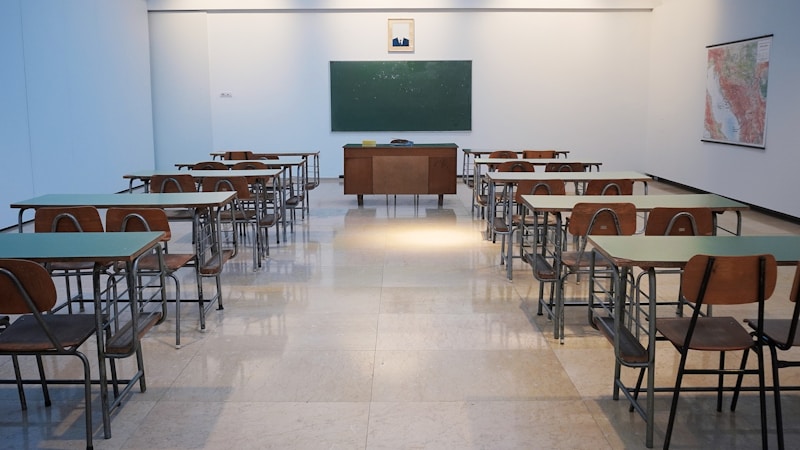
International schooling options in Montenegro are limited compared to larger countries. Knightsbridge Schools International in Tivat is the primary established option, offering British curriculum education from early years through secondary. Tuition runs €8,000-15,000 annually depending on grade level.
Knightsbridge's small class sizes—often under 15 students—provide individual attention but limit peer group diversity. The school attracts a mix of expat families and internationally-minded Montenegrin families, creating a small but genuine international community.
Beyond Tivat, international school options essentially don't exist. Families settling in Kotor, Budva, or Podgorica face commuting to Tivat, homeschooling, or enrolling in local schools. Each option involves trade-offs that require honest assessment.
Some families use Montenegro as a base for online schooling or accredited distance learning programs. This approach requires dedicated parent involvement and self-motivated students but offers flexibility that traditional schooling doesn't provide.
The single-school reality forces families into either creative alternatives or geographical commitment to Tivat—a constraint that paradoxically simplifies decision-making. In countries with dozens of international schools, families agonize over curricula, class sizes, extracurricular programs, and commute times. In Montenegro, the question reduces to: does Knightsbridge in Tivat work for your family, or doesn't it? If it does, your housing search narrows to the Tivat area. If it doesn't, you are choosing between local school immersion and homeschooling, each with clear implications. This forced clarity, while initially frustrating, eliminates the paralysis that abundant choice can create. Families who accept the constraint and plan around it often move faster toward settled life than those in choice-rich environments who spend months evaluating options.
Moving with children turns every small decision into a family negotiation, and it helps to hear how other parents lived through the same year. Audible gives you 30 free days — long enough for a memoir or two about raising kids between two countries, usually while doing something else.
Affiliate disclosure: the Audible link above is an affiliate link. If you start a trial through it, Expat Blueprint may earn a small commission at no extra cost to you. It never changes what we recommend. Read the full disclosure.
Land Well takes this further than an article usefully can — 70 pages built around one question: how will daily life actually work there? See what it covers.
Local Schools and Alternative Education
Montenegrin public schools operate in Serbian/Montenegrin, presenting an obvious language barrier for expat children. However, younger children often adapt remarkably quickly, becoming functional in the language within a year of immersion.
Quality varies by school and location, with urban schools in Podgorica generally better resourced than rural options. The curriculum follows standard Balkan educational patterns—strong in mathematics and sciences, traditional in pedagogy, less emphasis on creative and critical thinking approaches.
Homeschooling is legal in Montenegro, though the community remains small. Online resources, international curricula, and distance learning programs make this viable for organized families. The lifestyle—outdoor access, flexible schedules, travel opportunities—can complement homeschool approaches well.
Hybrid approaches work for some families: local school for language immersion and social integration, supplemented by English-language tutoring or online courses to maintain home-country academic standards. This requires more parent coordination but addresses multiple priorities.
Children who navigate the language immersion develop a cognitive flexibility and cultural confidence that international school bubbles cannot replicate. The child who learns to argue in Montenegrin on the playground, to negotiate friendships across a language barrier, to absorb mathematical concepts in a foreign tongue—this child acquires skills that transcend any curriculum. Parents report that the initial months of struggle, when children come home frustrated and parents question their decision, give way to a transformation that feels almost miraculous in retrospect. By the end of the first school year, most children are not merely coping but thriving, code-switching between languages with an ease that adults envy and that no amount of formal language instruction could produce.
Healthcare for Families
Pediatric care in Montenegro handles routine childhood health needs adequately. General practitioners see children, and pediatricians are available in larger towns. Vaccination schedules are available and generally followed.
For serious or specialized conditions, Montenegro's small size becomes limiting. Complex pediatric surgeries, rare condition specialists, and intensive neonatal care are limited or unavailable. Families with children who have significant health needs should carefully evaluate whether Montenegro's medical infrastructure meets their requirements.
Private health insurance with international coverage is strongly recommended for families. This provides access to private pediatric clinics with English-speaking staff and, crucially, medical evacuation coverage to regional medical centers (Belgrade, Zagreb) or home countries for serious situations.
Pharmacies stock standard pediatric medications, though some specific formulations may not be available. Families should bring supplies of any essential medications when relocating and establish reliable resupply channels.
The evacuation insurance question becomes more emotionally charged with children than it ever feels as an individual calculation. The abstract logistics of medical transfer—helicopter availability, hospital capacity in Belgrade, flight connections to home countries—become concrete parental anxiety that demands resolution before it is needed. Families who settle this question early, who have a clear plan for what happens if their child needs specialist care unavailable in Montenegro, report sleeping better than those who leave the question vague. The plan itself may never be activated, but its existence provides a psychological foundation that makes daily life in a small country feel less exposed.
Housing for Families
Space is generally affordable outside central tourist areas. Families can find three-bedroom apartments or houses with yards at prices that would rent studios in expensive European cities. Suburbs of Podgorica and villages around the Bay of Kotor offer family-sized housing at reasonable rates.
Tivat and its surroundings attract many expat families due to the international school proximity. The Porto Montenegro area skews expensive, but surrounding neighborhoods like Radovići and Lepetane offer family housing at €600-900 monthly for decent space.
Podgorica provides year-round stability that appeals to families with school-age children. Districts like Stara Varoš and City Kvart offer family apartments near schools, parks, and services. The capital lacks coastal drama but delivers consistency.
Consider proximity to outdoor spaces when choosing housing. Yards, nearby parks, and beach access matter more for daily family life than views or prestige locations. Children need room to run and play—prioritize function over aesthetics.
Family Activities and Lifestyle
Montenegro's natural assets create exceptional family activity options. Beaches along the coast range from busy resort strands to quiet coves accessible by boat or scrambling. The Bay of Kotor offers calm waters suitable for young swimmers.
National parks—Durmitor, Biogradska Gora, Lovćen, Skadar Lake—provide hiking, camping, and nature education opportunities within easy driving distance from anywhere in the country. Trails range from stroller-friendly paths to challenging hikes for older children.
Winter brings skiing at Kolašin and Žabljak, modest compared to major European resorts but sufficient for family skiing at a fraction of the cost. The northern mountains offer snow activities from December through March.
What shapes childhood in Montenegro most distinctly is how seasonal rhythms become part of the family experience. Children here develop an intuitive relationship with the calendar that urban childhoods rarely provide. Summer means beaches, outdoor dining, late evenings watching the korzo fill with families. Autumn brings olive harvesting in coastal areas, mushroom foraging in mountains, and the quiet relief of empty beaches after tourist season. Winter shifts life indoors to some extent but opens mountain activities that coastal children anticipate all year. Spring brings wildflowers, the first swims of the season, and the particular excitement of watching a small country emerge from its quiet months into renewed energy. This seasonal awareness, absorbed rather than taught, becomes one of the most distinctive gifts Montenegro offers children who grow up here.
Year-round outdoor living—swimming, hiking, cycling, boat trips—becomes normal for children growing up in Montenegro. This active lifestyle, combined with generally safe environments for independent play, creates childhood experiences increasingly difficult to find in urban-centric countries. The physical confidence children develop through daily outdoor activity—swimming in open water, navigating mountain trails, cycling coastal roads—compounds over years into a bodily ease and environmental awareness that indoor childhoods simply cannot produce. Families who stay long enough to see their children grow through multiple Montenegrin seasons often remark that the country gave their children something no curriculum could provide—an embodied relationship with the natural world that shapes who they become.
Is Montenegro Right for Your Family?
Montenegro works beautifully for certain family profiles: those valuing safety and outdoor lifestyle over institutional resources, those comfortable with limited school choices, those embracing rather than tolerating seasonal rhythms, and those not requiring specialized medical care. For these families, Montenegro offers a quality of childhood that's exceptional.
Families requiring established international school options, specialized healthcare access, or year-round consistent social dynamics may find Montenegro's limitations frustrating. Honest assessment of your family's non-negotiables is essential. Consider a trial period before committing fully—renting for a school year tests reality against imagination and reveals whether Montenegro's family life matches your expectations.
Written by
Carl S Moller
Founder & Editor, Expat Blueprint
Carl S Moller is the founder and sole editor of Expat Blueprint. He researches and writes every guide himself, working from immigration ministries, tax authorities, national statistics and recent first-hand reporting rather than claiming to have lived in all sixteen countries covered.
Keep the thread going
One reflective note every few weeks, and 20% off anything in the workbook shop the moment you sign up. The code is valid through 31 August 2026.
Unsubscribe any time. We never share your address. The 20% code is valid through 31 August 2026.