
Montenegro Costs: Adriatic Living on a Real Expat Budget
Comprehensive guide to cost of living in Montenegro for expats. Discover real housing, food, healthcare, and lifestyle costs in this Adriatic gem for 2025.
8 min read
Montenegro offers an attractive blend of Mediterranean lifestyle and affordable living, with costs significantly lower than Western Europe while providing stunning natural beauty and a welcoming expat community.
Quick Takeaways
- •Monthly budget: €800-1,500 for comfortable single living
- •Rent in coastal towns: €400-800 for a one-bedroom apartment
- •Dining out: €8-15 for a full meal at mid-range restaurants
- •Utilities average €80-150 monthly including internet
- •Healthcare is affordable with quality private options available
Montenegro uses the Euro without being an EU member—a quirk that creates an interesting pricing paradox. On one hand, Euro adoption eliminated currency risk and made financial planning straightforward for European expats. On the other, it connected a small Balkan economy to a currency zone whose purchasing power assumptions do not match Montenegrin salary levels, creating tensions that surface in unexpected ways.
The cost of living here reflects this duality. Tourist-facing businesses along the coast increasingly price toward Croatian or even Italian expectations, while local markets, neighborhood restaurants, and inland towns maintain Balkan affordability. Where you shop, eat, and live within Montenegro determines whether your experience feels cheap, reasonable, or surprisingly expensive. The expat who discovers the local konoba two streets behind the waterfront pays half what the tourist pays at the promenade restaurant for food that is often better.
Housing Costs Across Montenegro
Housing in Montenegro varies dramatically by location and season. Coastal towns like Budva, Kotor, and Tivat command premium prices, especially during summer months when tourist demand peaks. Expect to pay €500-900 for a modern one-bedroom apartment in these areas. Seasonal contracts (May-October) often cost 50-100% more than annual leases, so timing your arrival in autumn can save significant money.
The capital Podgorica offers more affordable year-round options, with one-bedroom apartments ranging from €300-500 monthly. The lack of tourist seasonality means more stable pricing and longer lease availability. Negotiate directly with landlords rather than agencies—many are open to 5-10% discounts for 12-month commitments paid quarterly.
Inland towns like Nikšić and Cetinje provide the most affordable housing, with decent apartments available from €200-350 monthly. These areas offer authentic Montenegrin life away from tourist crowds. Be aware that Airbnb arbitrage has affected the rental market—some landlords prefer short-term tourist income over long-term tenants, particularly in Kotor and Budva.
Property purchase remains attractive for long-term residents, with prices ranging from €1,500-3,500 per square meter depending on location and proximity to the coast. Non-EU buyers can purchase property with few restrictions, though the process requires patience with bureaucracy.

Food and Grocery Expenses
Grocery shopping in Montenegro is remarkably affordable. Local supermarkets like Voli (the largest chain), Idea, and Aroma offer competitive prices, with monthly grocery bills averaging €200-300 for one person eating well. Lidl's arrival has further pressured prices downward.
Fresh produce shines at local markets (pijaca). The Podgorica pijaca runs daily except Sunday, while coastal markets in Kotor, Herceg Novi, and Bar operate morning hours. Seasonal vegetables, local cheeses (including the prized Njeguški sir), and fresh Adriatic fish represent exceptional value. Expect €1-2/kg for tomatoes and peppers in season, €8-12/kg for fresh sea bass or dorado.
The coastal fish markets deserve special mention—Kotor and Bar have daily catches where you can buy directly from fishermen. Mussels, squid, and sardines cost a fraction of restaurant prices. Traditional Montenegrin specialties like pršut (cured ham) and kajmak (cream cheese) are best sourced from mountain villages or trusted market vendors.
Dining out remains affordable compared to Western Europe. A satisfying lunch at a local konoba (tavern) costs €6-10, while dinner at mid-range restaurants runs €12-20 including drinks. Local wine is excellent at €3-6 per bottle—try Vranac (red) or Krstač (white) from the Plantaže winery.
The konoba-versus-waterfront pricing split teaches a broader lesson about how tourist economies create parallel price realities. The same grilled fish that costs €8 at a family-run tavern two streets inland appears on waterfront menus at €18, prepared no differently but served with a sea view and a multilingual menu. Expats who learn to navigate this duality—eating where locals eat, shopping where locals shop—discover that Montenegro's affordability is not a fixed characteristic but a skill you develop. Local knowledge compounds over months into genuine savings that tourists, even long-staying ones, never access. The pijaca regular who knows which vendor's tomatoes are best and which cheese seller offers the freshest kajmak inhabits a different cost reality than the newcomer browsing supermarket aisles.

If this is the part you keep circling back to, Find Your Place is the workbook we built around exactly that question — where fits my life? See how it works.
Transportation Costs
Public transportation is limited but inexpensive. Bus tickets between major cities cost €5-15, with the scenic Podgorica-Kolašin route winding through mountains being particularly memorable. The Bar-Belgrade train offers one of Europe's most dramatic rail journeys, crossing 435 bridges and 254 tunnels.
Most expats find a car essential, especially outside major towns. Fuel costs around €1.40-1.60 per liter. Car insurance runs €200-400 annually. The Kamenari-Lepetane ferry across Kotor Bay saves an hour versus driving around—crossings run every 10-15 minutes and cost €4.50 per car. Road tolls are minimal, with the Sozina tunnel (connecting Bar to the bay) charging €2.50.
Taxis are affordable, with rides within cities costing €3-8. Apps like Pink Taxi and Cabb operate in larger towns. Many coastal towns are walkable, and cycling is increasingly popular in Tivat and around the Bay of Kotor—e-bike rentals cost €15-25/day.
Consider the Blue Line boat service in summer, connecting Kotor Bay towns via water for €3-5 per ride—often faster and more scenic than driving during tourist season gridlock.
Utilities and Internet
Basic utilities covering electricity, water, and garbage average €60-100 monthly for a typical apartment. Heating costs vary significantly—coastal areas rarely need substantial heating, while mountain areas like Kolašin and Žabljak require serious winter heating budgets that can add €100-150 monthly during cold months. The disparity between coastal and mountain utility costs catches some expats off guard, particularly those who romanticize mountain living without budgeting for mountain winters.
Internet is reliable and affordable at €20-35 monthly for fiber connections offering 50-200 Mbps. Major providers include Telenor, m:tel, and Crnogorski Telekom. Coverage is strongest in Podgorica and coastal towns; mountain areas are improving but still lag behind urban centers. For remote workers, verifying internet quality at a specific address before signing a lease is worth the effort—neighborhood-level variation can be significant.
Mobile plans with generous data start around €10-15 monthly, and most cafés and restaurants offer free WiFi. Air conditioning during hot summers can increase electricity bills by €30-50 monthly in coastal areas, a cost that feels unavoidable from June through September when afternoon temperatures regularly exceed 35°C.
Healthcare Expenses
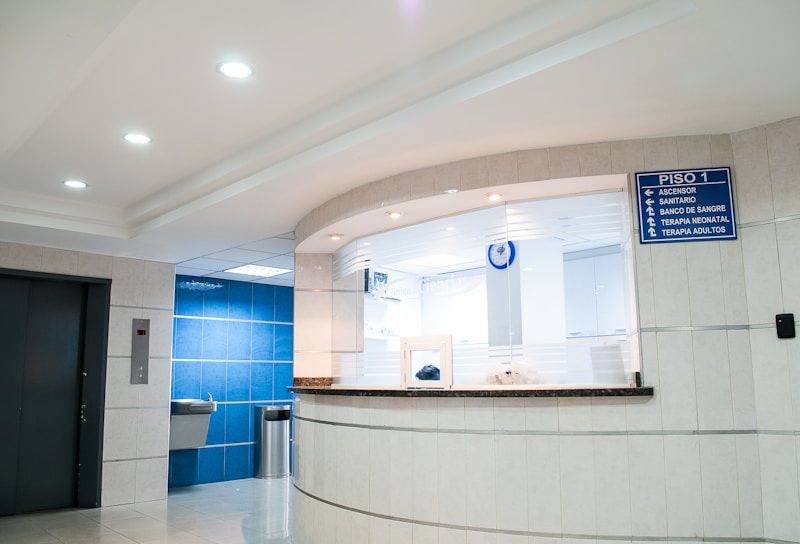
Public healthcare is accessible and inexpensive, though quality varies. Many expats opt for private healthcare, which remains affordable by European standards.
A general practitioner visit costs €20-40 privately. Specialist consultations range from €40-80. Dental work is popular among medical tourists, with prices 50-70% lower than Western Europe.
Private health insurance costs €50-150 monthly depending on coverage and age. This provides access to modern private clinics in Podgorica and coastal towns.
Pharmacies are well-stocked, and many medications are available without prescription at reasonable prices.
Lifestyle and Entertainment
Montenegro offers abundant free entertainment through its natural beauty—hiking in Durmitor or Lovćen, swimming at countless beaches, and scenic drives through the bay cost nothing beyond transportation. Kotor's fortress walls and Podgorica's Millennium Bridge are free to explore.
Gym memberships range from €25-50 monthly. Yoga and fitness classes are increasingly available, with outdoor sessions common in coastal towns during summer. Water sports are popular—kayak rentals cost €15-25/hour, while boat charters for bay exploration start around €100 for a half-day.
Summer festivals provide exceptional value. Sea Dance Festival (electronic music) attracts international DJs. Kotor Art Festival and the Herceg Novi Film Festival offer cultural programming. Cinema tickets cost €4-6, and most towns have at least one active theatre or cultural center.
The café culture is central to Montenegrin life—waterfront hours over a single espresso are culturally expected, not rushed. Budget €50-100 monthly for regular café visits. Hiking trails in Durmitor and Biogradska Gora national parks are free beyond the modest €3-5 park entry fees.
What catches many expats off guard is how Montenegro's free natural assets permanently recalibrate expectations about what entertainment should cost. When your Saturday morning involves a kayak paddle across a bay that rivals any Norwegian fjord, and your Sunday afternoon is a mountain hike through forests older than most European cities, the very concept of paying for entertainment shifts. Returning to cities where a family cinema outing costs €60 or a day at a theme park runs €200 feels almost absurd after years of Montenegrin weekends. This recalibration is one of the country's most underappreciated gifts—not just the savings themselves, but the deeper realization that the best experiences were never behind a paywall.
Sample Monthly Budgets
A budget lifestyle in Montenegro runs approximately €800-1,000 monthly, covering shared accommodation or an inland location, home cooking, limited dining out, and public transport. This level is sustainable in Podgorica or smaller towns but difficult on the coast during summer without significant compromises on location or accommodation quality.
Comfortable living costs €1,200-1,500 monthly for a one-bedroom coastal apartment, regular dining out, car ownership, and an entertainment budget. This represents the sweet spot for most single expats, providing genuine Mediterranean lifestyle without constant financial calculation. At this level, you can enjoy the country's restaurants, occasional travel, and spontaneous social activities without stress.
Premium lifestyle at €2,000 or more opens access to modern apartments in prime locations, frequent dining out, regional travel, and full leisure activities. This level provides comfort that rivals Western European living at a fraction of the cost.
These budgets assume a single person. Couples can often live on roughly 1.5 times a single budget rather than double, sharing housing costs and many household expenses. Families should budget separately for schooling, which represents the largest additional cost for those choosing international education.
The seasonal budget variation creates what amounts to two financial lives in the same apartment. Summer months bring higher electricity from air conditioning, inflated restaurant prices in tourist zones, and social spending that rises naturally when evenings are long and friends are visiting. Winter contracts the budget—heating is modest on the coast, restaurant options narrow to local establishments with local prices, and entertainment shifts to home cooking and mountain excursions. Couples who arrive expecting one consistent monthly number discover that annual averaging is the only honest way to plan. The summer months might run €200-300 above the comfortable baseline while winter months come in well below it, and the emotional relationship to money shifts accordingly—spending freely in July because you know January will balance the books.
Is Montenegro Affordable for Expats?
Montenegro offers excellent value for money, combining Mediterranean lifestyle with Balkan affordability. While not as cheap as some Eastern European destinations, it provides a compelling package of natural beauty, safety, and quality of life at reasonable costs. The Euro currency eliminates exchange rate concerns, and the growing expat community makes integration easier than ever.
Written by
Carl S Moller
Founder & Editor, Expat Blueprint
Carl S Moller is the founder and sole editor of Expat Blueprint. He researches and writes every guide himself, working from immigration ministries, tax authorities, national statistics and recent first-hand reporting rather than claiming to have lived in all sixteen countries covered.
Keep the thread going
One reflective note every few weeks, and 20% off anything in the workbook shop the moment you sign up. The code is valid through 31 August 2026.
Unsubscribe any time. We never share your address. The 20% code is valid through 31 August 2026.