
Tbilisi Apartments and Beyond: Housing Guide for Expats
Renting in Tbilisi is informal — WhatsApp negotiations, cash payments, and short-term flexibility suit nomads, but long-term tenants face different friction.
8 min read
Georgia's housing market offers remarkable value—modern apartments in trendy Tbilisi neighborhoods for a fraction of European prices. The search is less bureaucratic than almost anywhere else on the continent, and the options range from renovated Soviet-era flats with genuine character to sleek new builds with mountain views.
Quick Takeaways
- •Central Tbilisi 1-bedroom: $350-600/month, furnished apartments standard
- •Batumi beachfront: $250-400/month off-season, $400-700 in summer
- •Deposits: 1-2 months rent, often negotiable with longer commitments
- •Foreigners can buy property with zero restrictions—unlike most countries
- •Short-term flexibility: month-to-month arrangements common and accepted
Georgia's rental market is one of the few left in popular expat destinations where you can arrive with a suitcase and be settled in a proper apartment within a week. There's no credit history requirement, minimal paperwork, and landlords often prefer dealing directly with tenants rather than through agencies. The market moves fast, especially in popular Tbilisi neighborhoods, but the sheer volume of available apartments means you'll find something that fits. The informality rewards initiative over credentials—your willingness to show up, look someone in the eye, and negotiate directly matters more than any reference letter or payslip. It's a system designed around trust rather than documentation, which takes adjustment but ultimately serves most people better.
Most expats start with short-term rentals—Airbnb or booking.com apartments—while they explore neighborhoods and get a feel for the city. This isn't just convenient; it's strategically smart. Tbilisi's districts have distinct personalities, and what looks appealing online might not match your daily reality. Taking a month to explore before committing to a year-long lease saves considerable headache. The furnished-as-standard convention removes a barrier that complicates moves elsewhere—you arrive with a suitcase and start living, without the weeks of furniture shopping and setup that make relocation in other countries feel like a second job. That immediacy—being settled in days rather than weeks—changes the psychological experience of moving abroad more than any single practical factor.
Tbilisi Neighborhoods: Where Expats Actually Live
Vera stands as the undisputed expat favorite. This central neighborhood blends tree-lined streets with independent cafes, art galleries, and renovated apartments. Expect $400-550 for a good one-bedroom, with two-bedrooms running $550-750. The walkability factor is unbeatable—you're steps from Rustaveli Avenue, parks, and the best coffee shops in the city. The tradeoff: parking is difficult and some buildings lack elevators.
Vake attracts families and those seeking more space. This upscale district features parks, international schools, and larger apartments. Prices run $500-800 for one-bedrooms, with proper family apartments at $800-1,200. The leafy streets and mountain views justify the premium for many. Saburtalo offers similar vibes at lower prices ($300-450), though it's more residential and less walkable to central attractions.
Old Tbilisi—Sololaki and Abanotubani—provides the Instagram-worthy experience: carved wooden balconies, sulfur baths, narrow cobblestone streets. Living here means immersing in atmospheric beauty, but also tourist crowds and older building infrastructure. Apartments run $400-600, with character that modern builds can't match. Marjanishvili and Chugureti are emerging arts districts offering renovated spaces at $300-450, attracting creative types and those who want local authenticity without the tourist density.
Beyond Tbilisi: Batumi, Kutaisi, and Mountain Towns
Batumi offers Black Sea beach living at surprisingly accessible prices. Outside summer peak (July-August), one-bedrooms rent for $250-400, with modern high-rise apartments featuring sea views at the higher end. Summer doubles these prices and brings tourist crowds. Many expats maintain Tbilisi bases but escape to Batumi for winter—the subtropical climate means milder weather than the capital's cold months.
Kutaisi, Georgia's second city, remains genuinely affordable. One-bedroom apartments run $150-250, though the expat community is smaller and English less common. The city offers proximity to Imereti wine country and stunning canyon landscapes. It's ideal for those prioritizing extreme affordability over social scene.
Mountain towns like Mestia or Kazbegi attract adventurous types. Housing options are limited—mostly guesthouses or seasonal rentals—but $150-300 gets you stunning alpine views. Internet connectivity has improved but remains less reliable than urban areas. These work for summer escapes or committed mountain lovers, not year-round practical living for most expats.
Kutaisi's extreme affordability tests whether price alone sustains a living decision. At one hundred fifty to two hundred fifty dollars monthly, the financial argument is overwhelming—but the question becomes what you're buying beyond cheap walls. The expat who thrives in Kutaisi is someone whose life happens largely online, who finds richness in Georgian daily rhythms rather than international social scenes, and who treats the airport's European connections as periodic escape valves rather than lifelines. For that profile, Kutaisi represents perhaps the best housing value in the entire European-adjacent world.

This is the stage The Move-Ready Reset was written for — what must happen so i can actually leave? It costs $39 and downloads immediately. See what it covers.
Understanding Georgian Rental Costs
Georgian rents include some pleasant surprises. Most apartments come fully furnished—not just basics, but complete setups with dishes, linens, and sometimes even coffee machines. This eliminates the startup costs that drain budgets in other countries. Utilities add $30-60 monthly in mild months, jumping to $80-120 in winter when heating kicks in. Internet runs $10-15 for fiber connections that consistently deliver 50-100 Mbps.
Deposits typically equal one to two months' rent, with the exact amount often negotiable for longer commitments. Some landlords accept the first and last month upfront instead of a formal deposit. Payment is usually monthly, though quarterly or annual arrangements can secure discounts of 10-15%. Most landlords prefer cash in Georgian Lari, though bank transfers are increasingly accepted.
Hidden costs are minimal compared to Western markets. There are no agency fees for most direct rentals, no required renter's insurance, and no complex utility deposit systems. The main surprise expense: heating efficiency varies wildly between buildings. A cheap-looking apartment with single-pane windows can cost more in winter heating than a pricier unit with proper insulation.
The Georgian Rental Process
Finding apartments works differently here than algorithmic Western markets. Facebook groups dominate—'Expats in Tbilisi' and 'Tbilisi Rentals' are essential starting points. Local sites like ss.ge and myhome.ge list extensive options, though Georgian language helps (Google Translate works passably). Airbnb and Booking.com apartments often convert to monthly rentals at significant discounts when you contact hosts directly.
Viewing apartments happens fast. Contact a listing in the morning, view it that afternoon. Landlords rarely require applications or background checks—they'll meet you, assess the vibe, and often agree on the spot. This informality cuts both ways: you can find a place in days, but so can someone else eyeing the same apartment.
Contracts range from casual verbal agreements to formal documents. For longer stays, insist on a written contract covering rent amount, deposit terms, notice period, and who covers repairs. Most landlords are reasonable about including these protections. The Public Service Hall can notarize contracts if you want official documentation, though this isn't required or common for standard rentals.
The Facebook-driven market creates a social filter that advantages those willing to engage with community. Joining rental groups, responding to posts, asking for recommendations—these actions place you within a network of shared information that algorithms cannot replicate. Landlords who post in expat groups have usually rented to foreigners before and understand the dynamic. Those found through personal referrals tend to be even better. The process rewards social investment in ways that feel anachronistic after years of anonymous online apartment hunting, but the results—responsive landlords, fair pricing, genuine human relationship around your home—justify the effort.
What Georgian Apartments Actually Offer
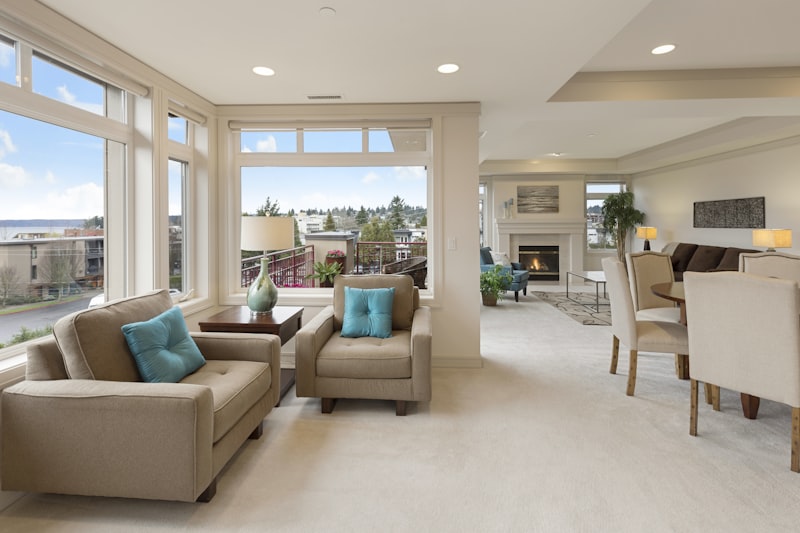
Soviet-era buildings with renovated interiors represent the sweet spot for many expats. These structures offer solid construction and often generous square footage, while interior renovations provide modern kitchens, updated bathrooms, and reliable heating systems. Look for 'remont' (renovation) in listings. Unrenovated Soviet apartments are cheaper but often require tolerance for dated aesthetics and temperamental plumbing.
New construction has boomed in Tbilisi and Batumi. These buildings offer elevators, security, underground parking, and modern amenities. The tradeoff: construction quality varies, and some newer buildings cut corners that become apparent over time. Check reviews and talk to current residents when possible.
Heating deserves special attention. Central heating (common in Soviet buildings) provides consistent warmth but offers no individual control—it turns on citywide in late October and off in April regardless of temperature. Individual heating (gas or electric) offers control but higher bills. Verify the heating type before committing, especially for winter stays.
Buying Property: Georgia's Open Market
Georgia stands remarkably open to foreign property buyers—no restrictions, no special permits, full ownership rights identical to Georgian citizens. This policy has attracted significant international investment and keeps the buying process straightforward. Purchase prices in Tbilisi range from $800-1,500 per square meter in desirable areas, with Batumi slightly lower at $600-1,200.
The buying process moves quickly. Find a property, agree on price, sign a preliminary agreement with a small deposit (usually 10%), complete due diligence, and finalize at the Public Service Hall. The entire process can complete in 2-4 weeks. Registration fees run about 0.5% of the property value, with no stamp duty or significant transfer taxes. Legal costs add another $500-1,000 for straightforward transactions.
Considerations for buyers: verify clear title through the Public Registry, ensure the seller has authority to sell, and confirm no liens exist. Real estate agents typically charge 3-5% commission (often split between buyer and seller). Some expats buy to live in, others for rental income—Airbnb yields can reach 8-12% in prime Tbilisi locations. Bank financing exists for foreigners but typically requires significant down payments (40-50%) and comes with higher interest rates than local mortgages.
New construction pre-sales have become a significant market segment, with developers offering staged payment plans that allow buyers to acquire properties during construction at discounts of 10-20% below completed-unit prices. This arrangement suits buyers with time flexibility and carries the risk inherent in any construction-dependent investment. Researching the developer's completed projects before committing provides the most reliable signal of likely delivery quality—Georgia's construction market has enough established developers with track records to make this due diligence both possible and worthwhile.
The openness of Georgia's property market creates a particular dynamic worth understanding. Because foreigners face zero restrictions, international money flows into Georgian real estate with unusual freedom, which has driven development—particularly in Batumi, where entire tower blocks target foreign investors. This investment-grade attention coexists with a local market where Georgian families buy and sell on very different terms and at very different price points. Navigating between these two markets—the international-facing developments with glossy brochures and the local-facing apartments found through personal connections—reveals the actual range of what's available and often uncovers better value than the most visible options suggest.
Your Georgian Housing Strategy
Start with a short-term rental (2-4 weeks) to explore neighborhoods before committing. Use Facebook groups and local sites rather than just Western platforms. Budget $400-600/month for a comfortable one-bedroom in desirable Tbilisi areas, less if you're flexible on location or building age.
The Georgian rental market rewards direct communication, flexibility on move-in timing, and willingness to commit to longer terms. Unlike bureaucratic housing markets elsewhere, you can realistically arrive in Tbilisi and be settled in a proper apartment within a week. The hardest part isn't finding housing—it's choosing between the many options that fit your budget.
Written by
Carl S Moller
Founder & Editor, Expat Blueprint
Carl S Moller is the founder and sole editor of Expat Blueprint. He researches and writes every guide himself, working from immigration ministries, tax authorities, national statistics and recent first-hand reporting rather than claiming to have lived in all sixteen countries covered.
Keep the thread going
One reflective note every few weeks, and 20% off anything in the workbook shop the moment you sign up. The code is valid through 31 August 2026.
Unsubscribe any time. We never share your address. The 20% code is valid through 31 August 2026.