Medical Care in Georgia: Affordable Clinics and Insurance Options
Affordable clinics and modern Tbilisi hospitals coexist with limited rural infrastructure — creating a healthcare reality that depends heavily on location.
8 min read
Georgia has quietly built a modern, affordable healthcare system that surprises many expats. With private clinics rivaling European standards at a fraction of the cost, medical care is one of Georgia's hidden advantages.
Quick Takeaways
- •GP visits: $15-30, specialist consultations: $30-60
- •Private health insurance: $50-150/month for comprehensive coverage
- •Modern private hospitals with English-speaking doctors
- •Dental care 60-70% cheaper than Western Europe
- •Growing medical tourism industry, especially for dental and cosmetic procedures
Georgia's healthcare system outperforms its reputation in ways that matter most to expats—affordable access, competent private facilities, and a level of personal attention that Western medical systems have largely abandoned. The prices feel almost accidental, as if someone forgot to adjust them for inflation, but the quality at top private clinics reflects genuine investment and modernization over the past decade. The care dynamic itself differs in texture—doctors who remember your name, appointments that don't feel rushed, a relationship-based approach that Western patients have largely forgotten exists. That texture matters beyond comfort—it changes what you're willing to discuss and how honestly you engage with preventive care.
The honest assessment requires nuance rather than blanket praise. Tbilisi's best private hospitals handle most conditions competently. Regional facilities serve routine needs adequately. But complex or rare conditions may warrant medical travel to Turkey or Europe, and the gap between best and worst facilities is wider than in more homogeneous Western systems. Knowing where to go—and where not to—determines your experience more than any insurance plan. Most expats who've navigated a genuine medical issue in Georgia describe the experience as better than they feared and occasionally better than what they'd received at home—not because Georgian medicine is universally superior, but because the combination of accessibility, attention, and price removes the friction that delays care everywhere else.
Understanding Georgia's Healthcare System
Georgia operates a mixed healthcare system with both public and private options. The public system provides basic coverage for Georgian citizens through the Universal Healthcare Program introduced in 2013, but most expats and even middle-class Georgians prefer private healthcare for its superior service and shorter wait times.
The Saakashvili-era reforms of the 2000s and 2010s privatized much of the healthcare sector and attracted significant investment. Major hospital groups like Evex Hospitals (with facilities across the country) and MediClub Georgia have built modern facilities approaching European standards, with some achieving international JCI accreditation.
Regional differences matter significantly. Tbilisi concentrates the best facilities and specialists, while rural areas and smaller cities rely on more basic clinics. If you settle outside the capital, factor in travel time to Tbilisi for specialist care. There's no mandatory health insurance for foreigners, but private coverage is strongly recommended—without it, you're fully responsible for medical costs, though these remain affordable by Western standards.
The privatisation model has created an interesting dynamic where competition between hospital networks has driven genuine quality improvement over the past decade. Evex's expansion across the country, for instance, brought standardised protocols and modern equipment to regional cities that previously operated with Soviet-era infrastructure. This competitive pressure benefits patients with choice but occasionally complicates care coordination when specialists at different networks don't share patient records. Understanding which network your primary clinic belongs to simplifies navigation considerably.
Private Clinics and Hospitals
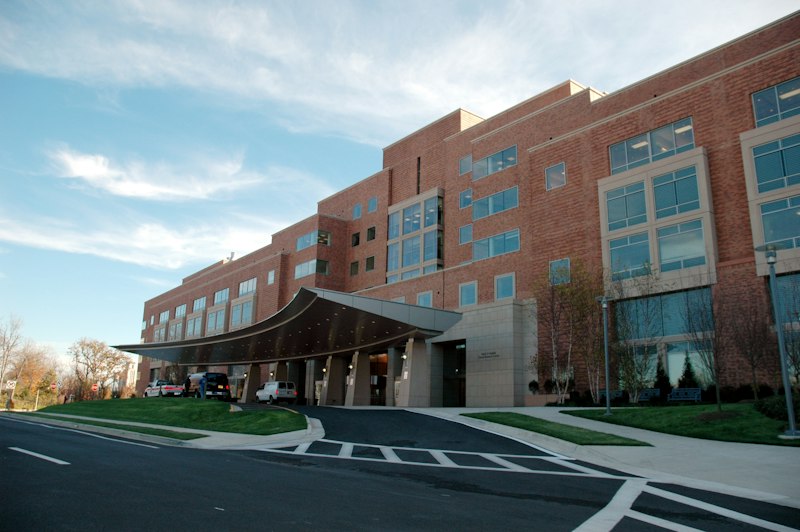
Private healthcare in Georgia offers excellent value. Major providers include Evex Hospitals (the largest private network with facilities in Tbilisi, Batumi, and regional centers), MediClub Georgia, and the National Center of Surgery. These facilities feature modern diagnostic equipment—MRI, CT, ultrasound—and many doctors completed training or fellowships in Germany, the US, or Israel.
English-speaking doctors are common in Tbilisi, especially at international-focused clinics. The American Medical Center and European Medical Center cater specifically to expats and offer primary care with familiar standards. For specialized care, orthopedics, cardiology, and gynecology are well-developed, with several clinics offering laparoscopic and minimally invasive procedures.
Telemedicine has grown significantly, with apps like Doctor.ge connecting patients to consultations for $10-20. Wait times remain minimal—you can often see a specialist the same week, sometimes the same day with direct booking. The patient experience generally impresses newcomers, with attentive service that feels almost old-fashioned compared to rushed Western appointments.
Land Well takes this further than an article usefully can — 70 pages built around one question: how will daily life actually work there? See what it covers.
Medical Costs: What to Expect
Healthcare costs in Georgia are remarkably low. GP consultations run $15-30, specialist visits $30-60, comprehensive blood panels $30-50, and full-body MRI scans $150-200. X-rays and ultrasounds cost $15-40. For context, a routine checkup with bloodwork might cost $50-80 total, compared to $300+ in the US without insurance.
Hospital stays including surgery are dramatically cheaper. Appendectomy: $1,000-1,500. Knee arthroscopy: $1,500-2,500. Cesarean delivery: $1,500-3,000. These prices include hospital stay, anesthesia, and follow-up care. Pediatric care follows similar pricing, with routine childhood vaccinations available at $20-40 per shot.
Dental care is particularly affordable and has made Georgia an emerging dental tourism destination. Cleanings: $20-40. Fillings: $30-60. Crowns: $150-300. Implants: $400-800. Full mouth restorations that cost $30,000+ elsewhere run $8,000-15,000 in Tbilisi, attracting medical tourists from Russia, the Middle East, and increasingly Western Europe.
Managing chronic conditions remains affordable too. Monthly diabetes supplies (strips, insulin, medications) cost $50-100. Blood pressure and cholesterol medications run $10-30/month. Regular monitoring for chronic conditions like heart disease involves quarterly checkups at $100-150 total.
The price transparency changes preventive care habits in ways that compound over years. When a comprehensive blood panel costs thirty dollars rather than three hundred, you order one quarterly instead of annually. When a specialist consultation runs fifty dollars, you investigate minor symptoms rather than ignoring them. This shift—from rationing medical attention to engaging with it freely—produces better health outcomes not because Georgian medicine is superior, but because affordability removes the hesitation that causes people to delay care until problems become serious.
Health Insurance Options
International health insurance from providers like Cigna, Allianz, or SafetyWing works in Georgia and is recommended for comprehensive coverage including emergency evacuation. SafetyWing's Nomad Insurance runs about $45/month for basic coverage, while comprehensive Cigna or Allianz plans cost $150-300/month depending on age and coverage level.
Local Georgian insurance companies offer affordable alternatives starting at $50/month. Aldagi, IRAO, and GPI provide plans covering outpatient care, hospitalization, and some prescription costs. Pre-existing conditions are handled case-by-case—some local insurers exclude them entirely, while others impose waiting periods of 6-12 months.
Many expats adopt a hybrid approach: a high-deductible international plan ($2,500-5,000 deductible) for catastrophic coverage and evacuation, while paying out-of-pocket for routine care given the low costs. This strategy costs $30-50/month in premiums while maintaining protection against major medical events or the need to be evacuated to Turkey or Europe for specialized treatment.
The psychological comfort calculation behind the hybrid approach deserves examination beyond the mathematics. What the high-deductible international plan actually buys isn't just financial coverage—it's permission to relax. Knowing that a catastrophic event triggers evacuation to a major medical center removes the low-frequency, high-consequence anxiety that otherwise accompanies life in a developing country's healthcare system. The monthly premium functions less as insurance in the actuarial sense and more as a mental health investment, freeing you to appreciate Georgian healthcare's genuine strengths without the background worry about its acknowledged limitations.

Pharmacies and Medications
Pharmacies (აფთიაქი/Aptiaki) are abundant in Georgian cities, with 24-hour locations in every major neighborhood. PSP Pharmacy is the largest chain with consistent stock, while GPC and Aversi offer good alternatives. Pharmacists are knowledgeable and often speak enough English to help—many will recommend treatments for minor issues without requiring a doctor visit.
The pharmacy consultation culture differs fundamentally from Western norms where pharmacists dispense rather than advise. In Georgia, presenting symptoms to a pharmacist and receiving a treatment recommendation is standard practice, and the advice is generally sound for common conditions. This informality produces real savings—a pharmacist consultation costs nothing, and the recommended medication often resolves the issue without a clinic visit. First-time arrivals sometimes find this directness alarming; within months, most appreciate it as a rational allocation of healthcare resources that places appropriate trust in trained professionals.
Medication access is notably relaxed compared to Western countries. Antibiotics, some controlled substances, and many drugs requiring prescriptions elsewhere are available over-the-counter. Prices run 50-70% less than Western Europe—a month's supply of common blood pressure medication might cost $5-10 rather than $30-50. This relaxed environment is gradually tightening as Georgia aligns with EU pharmaceutical standards.
For specialized or imported medications, Tbilisi pharmacies offer the widest selection—PSP's central branches can special-order most drugs within a week. Bring a supply of any critical medications and their prescriptions when arriving, particularly for mental health medications or less common treatments. Pharmacies can often help identify local equivalents for Western brand-name drugs.
Emergency Care and Ambulances
The emergency number in Georgia is 112 (or 103 specifically for ambulance). Response times in Tbilisi average 10-15 minutes and are generally reliable. Outside the capital, response times lengthen considerably—30+ minutes in regional cities, potentially hours in mountain villages. Private ambulance services exist but are rarely faster than the public option.
For serious emergencies, bypass public hospitals and go directly to a major private facility's emergency department. Evex Hospitals' Emergency Center in Tbilisi and the National Center of Surgery have well-equipped ERs with English-speaking staff on rotation. These facilities can stabilize most conditions and arrange transfer if needed.
Mountain adventures require extra preparation. Helicopter evacuation from Svaneti, Kazbegi, or Tusheti is possible but not guaranteed—weather often prevents flights. Medical evacuation insurance is essential if you spend time in remote areas, with providers like Global Rescue or World Nomads covering extraction to Turkey or Europe for complex trauma or conditions requiring specialized care unavailable locally.
The mental shift around emergency preparedness in Georgia differs from Western countries in subtle but important ways. In places with universally reliable emergency systems, you rarely think about medical logistics. In Georgia, maintaining a background awareness—knowing which hospital to request, having a doctor's personal number for after-hours advice, keeping insurance details accessible—becomes second nature rather than paranoia. Most expats develop this awareness within the first few months and find it oddly reassuring rather than stressful, a practical competence that reflects engaged living rather than anxious anticipation.
Blood donation and voluntary health participation have become unexpected community touchpoints for some long-term expats. The local blood bank system has gaps that voluntary donors help fill, and the experience of navigating a Georgian medical institution for altruistic rather than self-interested reasons teaches the system's actual workings in ways that theoretical knowledge cannot. It's a small thing, but emblematic of the deeper integration that distinguishes expats who engage with Georgia as a real place from those who treat it as a comfortable backdrop for their portable lives.
Healthcare Verdict
Georgia offers surprisingly good healthcare at very affordable prices. While the public system has limitations, private healthcare rivals many European countries at a fraction of the cost.
Expats should secure private health insurance and establish relationships with English-speaking doctors upon arrival. For routine care and non-emergency procedures, Georgia provides excellent value. For complex medical needs, some expats travel to Turkey or Europe, though this is rarely necessary for most conditions.
Written by
Carl S Moller
Founder & Editor, Expat Blueprint
Carl S Moller is the founder and sole editor of Expat Blueprint. He researches and writes every guide himself, working from immigration ministries, tax authorities, national statistics and recent first-hand reporting rather than claiming to have lived in all sixteen countries covered.
Keep the thread going
One reflective note every few weeks, and 20% off anything in the workbook shop the moment you sign up. The code is valid through 31 August 2026.
Unsubscribe any time. We never share your address. The 20% code is valid through 31 August 2026.