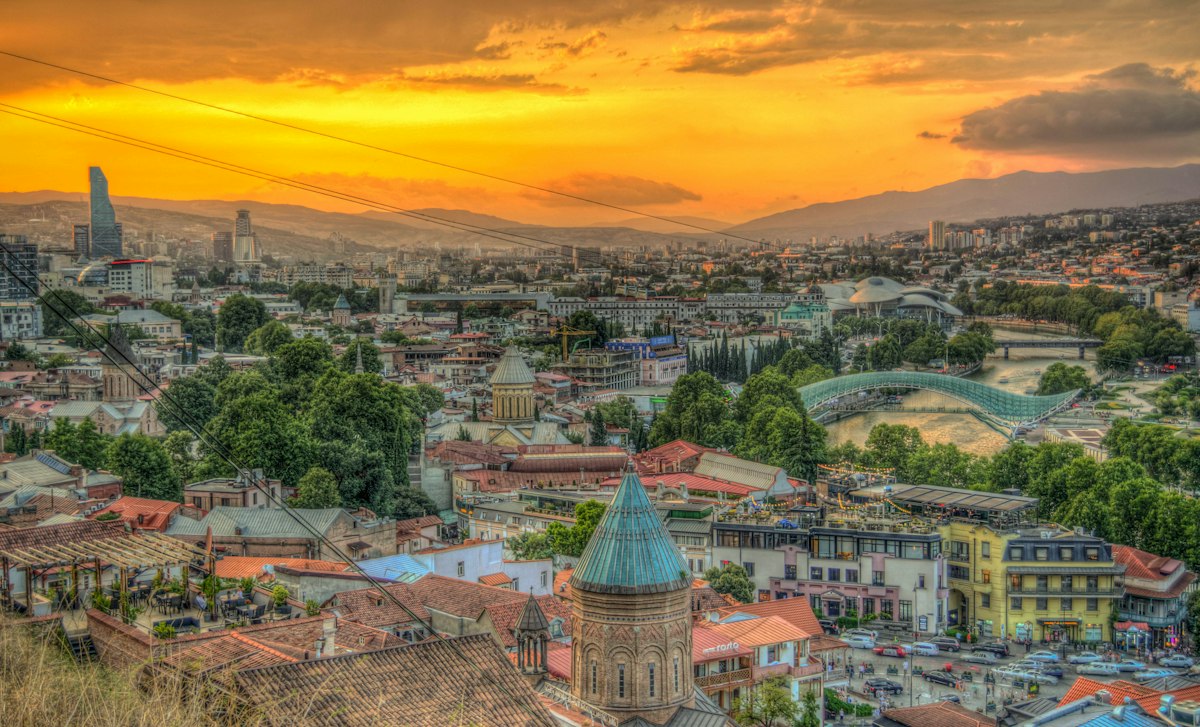
Georgia's Expat Cities: Tbilisi to the Black Sea Compared
Tbilisi dominates the expat map, but Batumi's coast and smaller towns offer alternatives — each with different costs, community sizes, and infrastructure.
9 min read
Georgia offers diverse living options from the vibrant capital Tbilisi to coastal Batumi and charming mountain towns. Each city has its own character, expat community, and lifestyle advantages.
Quick Takeaways
- •Tbilisi: The obvious choice with best infrastructure and largest expat community
- •Batumi: Beach lifestyle with modern development and lower costs
- •Kutaisi: Budget-friendly alternative with authentic Georgian culture
- •Mestia: Mountain paradise for adventure seekers and remote workers
- •Most expats start in Tbilisi before exploring other regions
Choosing a city in Georgia means choosing a relationship with a particular version of the country. Tbilisi offers cosmopolitan energy wrapped in ancient architecture—a palimpsest of Persian, Russian, and Soviet layers underneath a rapidly modernising surface. Batumi delivers beach life with a hint of casino glamour and subtropical mildness that the capital cannot match in winter. Kutaisi trades convenience for authenticity at prices that barely register. Mountain towns promise adventure alongside isolation. Each represents a genuine lifestyle rather than a variation on a theme, and the choice between them is rarely obvious from the outside.
Most expats gravitate to Tbilisi, and the reasons are practical rather than romantic—it's where the infrastructure, community, and opportunities concentrate. But dismissing the alternatives means missing what makes Georgia interesting. The country is small enough that you can base anywhere and still experience everything, which is precisely why so many expats end up splitting their time rather than committing to a single location. Georgia's scale means the 'wrong' choice costs you only a bus fare to correct—a freedom that larger countries cannot replicate and that makes experimentation genuinely low-stakes. This ease of revision shapes how people approach the city question: less like a permanent commitment and more like an evolving preference that the country itself accommodates.
Tbilisi: The Heart of Georgia
Tbilisi is where 90%+ of expats settle, and for good reason. The capital combines ancient charm with modern amenities, offering excellent cafes, co-working spaces, international restaurants, and a thriving nightlife scene. Traffic can be chaotic during rush hours (8-10am, 5-7pm), but the metro and walkable center make cars unnecessary for most daily life.
Key neighborhoods each have distinct personalities. Vera attracts creative types with its hipster cafes and wine bars. Vake is upscale with embassies, international schools, and leafy parks—expect to pay $500-800/month. Saburtalo offers metro access and affordable Soviet-era apartments at $300-450. Sololaki in the Old Town provides atmosphere but gets noisy from tourists. Didube and Gldani are genuinely local, cheap, but require Georgian language skills.
The expat community is large and welcoming with regular meetups at Fabrika, language exchanges at cafes like Entrée, and professional networking through Startup Grind and tech meetups. Fast internet (50-100 Mbps standard) and abundant co-working spaces make remote work seamless. Nightlife centers on Bassiani (one of Europe's best techno clubs), the bars of Vera, and traditional wine cellars where supras extend until dawn.
The neighbourhood question evolves with the length of your stay. Early weeks favour Vera or the Old Town for their walkability and concentration of English-speaking services. But after months, different priorities surface. Families gravitate to Vake's parks and school proximity. Those optimising for price-to-quality find Saburtalo's metro access surprisingly practical. And a surprising number of long-term residents end up in less-obvious areas—Digomi, Ortachala, Nadzaladevi—drawn by cheaper rents, quieter streets, and a version of Tbilisi that feels genuinely local rather than curated for foreign convenience.
Batumi: Black Sea Beach Life
Batumi has transformed from a sleepy Soviet port to a glitzy resort city. The beach lifestyle, subtropical climate (rarely below 5°C in winter), and lower costs attract expats seeking Mediterranean vibes at Caucasus prices. Summer brings crowds of tourists from Turkey, Russia, and the Gulf states; winter is dramatically quieter.
The city has invested heavily in infrastructure with a scenic 7km boulevard, futuristic architecture (including the moving Ali and Nino statue), and a casino strip that rivals Monaco in scale if not prestige. The Old Town retains charm with its balconied buildings and cobbled streets. Rent runs 20-30% cheaper than Tbilisi, with sea-view apartments available for $300-500/month—though summer rates can triple.
The Adjara region has its own cultural identity, slightly more conservative than Tbilisi but equally welcoming. The Turkish border at Sarpi is just 15km away, making visa runs and cross-border shopping easy. Downsides include the smaller expat community, limited English outside tourist areas, and seasonal business closures. The 5-hour drive or 30-minute flight to Tbilisi makes weekend trips feasible.
The seasonal population swing creates what amounts to two distinct cities occupying the same geography. Summer Batumi buzzes with Turkish and Gulf tourists, prices spike, and the boulevard becomes a continuous social event. Winter Batumi contracts into something quieter and more intimate—the expats who remain discover a different city with empty beaches, cheaper rents, and a community small enough that regulars recognize each other. Some people love this duality; others find the off-season too quiet. Understanding which version of Batumi you're choosing matters more than any rent comparison.
Deciding where to live is slow work, and most of the useful thinking happens away from the screen — walking, cooking, on a train. Audible's 30-day free trial — suits that stage: a few books about places you're considering, listened to before you commit to anything.
Affiliate disclosure: the Audible link above is an affiliate link. If you start a trial through it, Expat Blueprint may earn a small commission at no extra cost to you. It never changes what we recommend. Read the full disclosure.
If this is the part you keep circling back to, Find Your Place is the workbook we built around exactly that question — where fits my life? See how it works.
Kutaisi: Authentic and Affordable
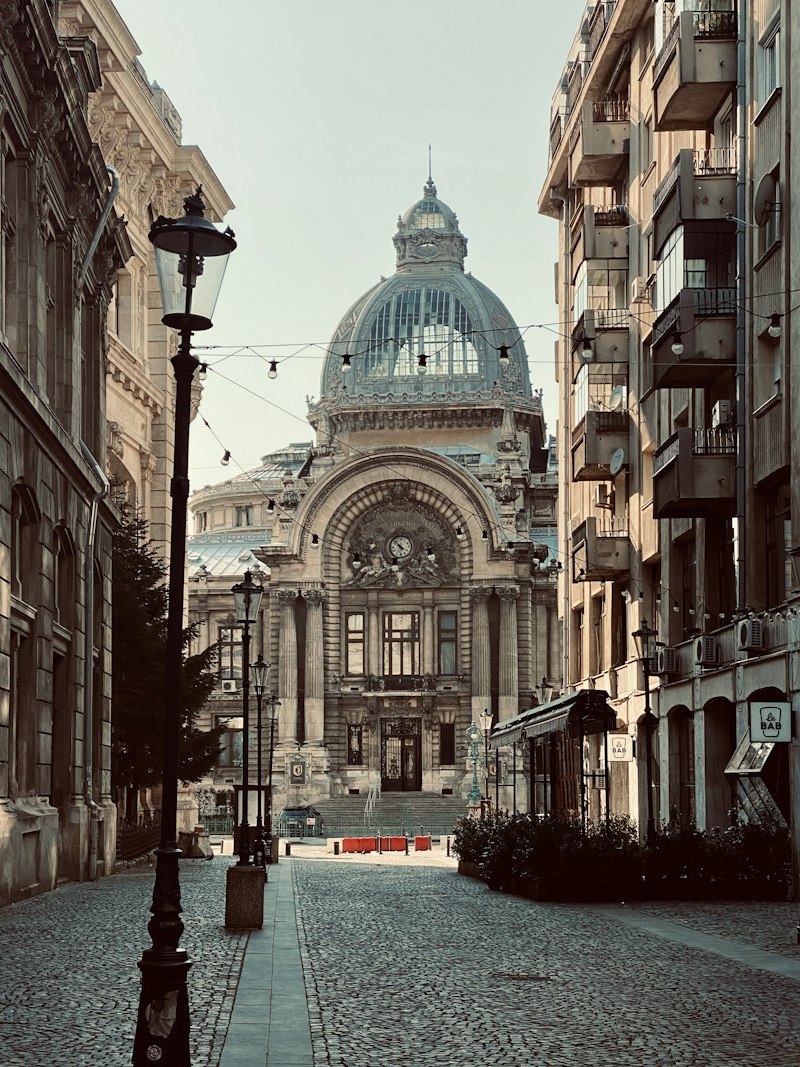
Georgia's second city offers a more authentic Georgian experience at rock-bottom prices. Rent for a central apartment runs $150-250/month, and you can live well on $500-700 total. The city has a charming old town centered on the Bagrati Cathedral (UNESCO site), good traditional restaurants, and a relaxed pace that feels decades removed from Tbilisi.
Kutaisi's international airport has become a major Wizz Air hub, offering budget flights to dozens of European cities for $30-80. This makes it popular with nomads who want cheap living plus easy escape routes. Day trips reach Prometheus Cave (spectacular underground formations), Okatse Canyon, and Martvili Canyon—all within an hour.
The expat community is tiny but exists—look for the occasional coworking pop-up and Facebook groups. English is less common than Tbilisi, so basic Georgian or Russian helps significantly. The university brings some youth culture, but nightlife is limited to a few bars and cafes. Best suited for writers, creatives, or budget nomads willing to trade convenience for authenticity and solitude.
The airport paradox captures something essential about Georgia's uneven development. Kutaisi's international airport offers world-class connectivity—budget flights to dozens of European cities for thirty to eighty dollars—from a city with almost no expat infrastructure. You can fly to Berlin more easily than you can find an English-speaking dentist. This incongruity delights certain temperaments and frustrates others, but it also means Kutaisi functions surprisingly well as a base for people whose professional lives happen online and whose social lives happen elsewhere periodically.
The gradual expat scene that has formed in Kutaisi differs in character from Tbilisi's established community. Smaller, self-selected, and more intentional—the people who choose Kutaisi over Tbilisi have usually made an explicit decision rather than defaulting to the obvious choice. This intentionality creates a particular social environment where conversations about why you're here happen naturally, and the answers tend to be more considered than in places where foreigners simply congregate because everyone else does.

Mestia: Mountain Paradise
The capital of Svaneti region sits at 1,500m elevation surrounded by stunning Caucasus peaks, including Georgia's highest, Mount Shkhara (5,193m). It's increasingly popular with remote workers seeking adventure without sacrificing connectivity. Winter brings skiing at Hatsvali and Tetnuldi resorts (passes $20-30/day); summer offers world-class trekking to Ushguli, glaciers, and alpine lakes.
Infrastructure has improved dramatically in recent years. Fiber internet reaches the center with 30-50 Mbps speeds—not Tbilisi-fast but workable for video calls. New guesthouses and a few cafes cater to the small but growing nomad scene. However, it remains a small mountain town—no proper restaurants, limited groceries, and basic medical facilities requiring evacuation to Tbilisi for anything serious.
The dramatic landscape and tight-knit Svan community create a unique lifestyle. Medieval defensive towers dot the town, and ancient traditions persist. Rent runs $150-300/month but options are scarce—book ahead or network locally. Best as a seasonal base (June-September, December-March) for those who prioritize outdoor access over urban convenience. The road from Tbilisi takes 7-8 hours; small planes fly in good weather.

Other Notable Destinations and choosing Your Georgian Base
Telavi, the heart of Kakheti wine country, offers vineyard living with easy access to Georgia's 8,000-year winemaking tradition. Small but charming, it's 1.5 hours from Tbilisi. Nearby Kvareli hosts the famous Kindzmarauli wine cellars, and countless family wineries welcome visitors for tastings and qvevri (clay vessel) wine experiences.
Borjomi, famous for its mineral water (exported worldwide), provides a peaceful mountain town atmosphere with spa culture and forested hiking trails. The Romanov-era architecture adds old-world charm. Popular with health-focused visitors and those seeking tranquility away from city noise.
Sighnaghi, the 'City of Love,' is a tiny hilltop town in wine country known for its pink-hued walls, stunning Alazani Valley views, and growing artistic community. Very small (population 2,000) but increasingly popular for short-term creative retreats. Gori, Stalin's birthplace, offers historical significance and proximity to cave towns like Uplistsikhe, though few expats settle there long-term.
Telavi deserves particular attention from those whose work benefits from slower rhythms and seasonal immersion. The wine harvest calendar structures Kakheti's social life in ways that urban Georgia cannot replicate—autumn brings a collective focus that draws people together across professional and linguistic differences. Expats who spend a harvest season here often describe it as the most genuinely Georgian experience available, more revealing than any amount of Tbilisi nightlife or Old Town sightseeing.
For most expats, starting in Tbilisi is the smart choice. It offers the best infrastructure, largest community, and easiest transition. After establishing yourself, exploring other regions becomes easier.
Consider Batumi if beach life and warmer weather are priorities, especially for summer months. Kutaisi works for budget-focused expats or those seeking cultural immersion.
The seasonal dimension of this decision deserves attention. Georgia's climate varies enough between regions that the same person might prefer different cities in different months—Batumi's subtropical mildness makes winter there genuinely pleasant while Tbilisi turns grey and cold, but Batumi's tourist-season heat and crowds push many residents north in July. Some expats exploit this variation deliberately, maintaining flexibility rather than fixed bases.
Many expats adopt a hybrid approach—base in Tbilisi with regular escapes to the mountains, beaches, or wine country. Georgia's small size makes internal travel easy and affordable.
The decision often evolves over time rather than arriving fully formed. First-time visitors choose Tbilisi almost universally, and wisely—it's the easiest entry point. But after six months, patterns emerge. Some discover they need the sea and drift toward Batumi for winter months. Others find Tbilisi's traffic and density wearing and experiment with Kutaisi's quieter rhythm. A few fall for the mountains completely and restructure their lives around seasonal access to Svaneti or Kazbegi. Georgia rewards this kind of iterative exploration precisely because the stakes are low—moving between cities costs little and commits you to nothing permanent.
The expat who arrives with a fixed city choice and never reconsiders it is rarer than the one who ends up somewhere they didn't expect. This openness to geographic revision is itself part of what makes Georgia work as a long-term base—the country is small enough that no initial mistake carries lasting consequences, and varied enough that different needs find different solutions within the same national context.
What the city question often reveals, ultimately, is less about geography than about what kind of expat life you are actually building. Tbilisi suits those who want community proximity and urban momentum. The coastal and mountain alternatives suit those who need quiet, space, and a slower rhythm of daily life. Georgia does not force you to choose once and permanently—it invites you to keep asking the question until the answer feels genuinely yours rather than simply convenient.
Best City Verdict
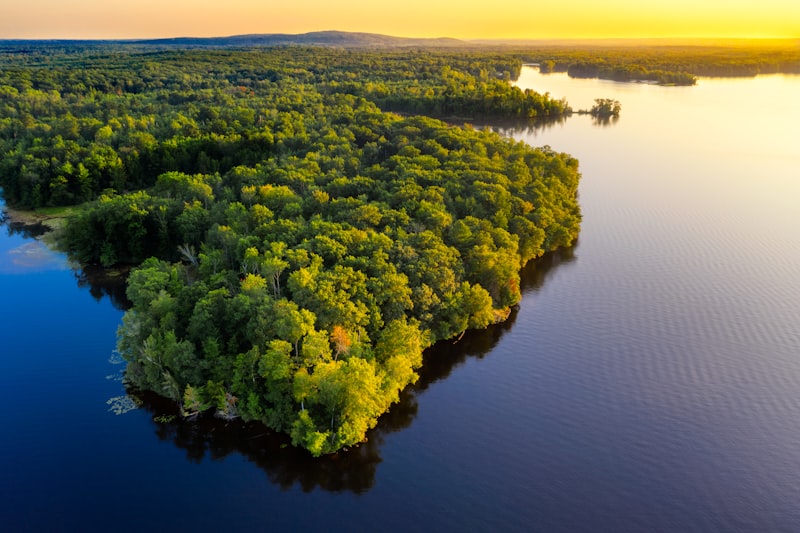
Tbilisi is the clear winner for most expats, offering the best balance of amenities, community, and quality of life. Batumi provides an excellent alternative for beach lovers, while Kutaisi and mountain towns suit those seeking adventure or deeper cultural immersion.
Georgia's compact size means you're never far from a change of scenery—many expats enjoy the best of all worlds by exploring different regions throughout their stay.
Written by
Carl S Moller
Founder & Editor, Expat Blueprint
Carl S Moller is the founder and sole editor of Expat Blueprint. He researches and writes every guide himself, working from immigration ministries, tax authorities, national statistics and recent first-hand reporting rather than claiming to have lived in all sixteen countries covered.
Keep the thread going
One reflective note every few weeks, and 20% off anything in the workbook shop the moment you sign up. The code is valid through 31 August 2026.
Unsubscribe any time. We never share your address. The 20% code is valid through 31 August 2026.