Georgia for Families: Low Costs, Warm Culture, and Honest Trade-Offs
Low costs, warm hospitality, and relaxed visa rules attract families to Georgia — but school options, healthcare limits, and winter infrastructure need honesty.
8 min read
Georgia offers families an intriguing proposition: low costs, genuine safety, a culture that genuinely loves children, and growing international school options. Here's the realistic picture of raising kids in the Caucasus.
Quick Takeaways
- •International schools: $8,000-20,000/year in Tbilisi with growing options
- •Very low violent crime—Georgia is statistically one of Europe's safest countries
- •Children welcome everywhere—restaurants, cafes, social gatherings embrace kids
- •Healthcare adequate for routine care; evacuation insurance recommended for serious issues
- •Family apartments in good areas: $500-800/month with space for kids
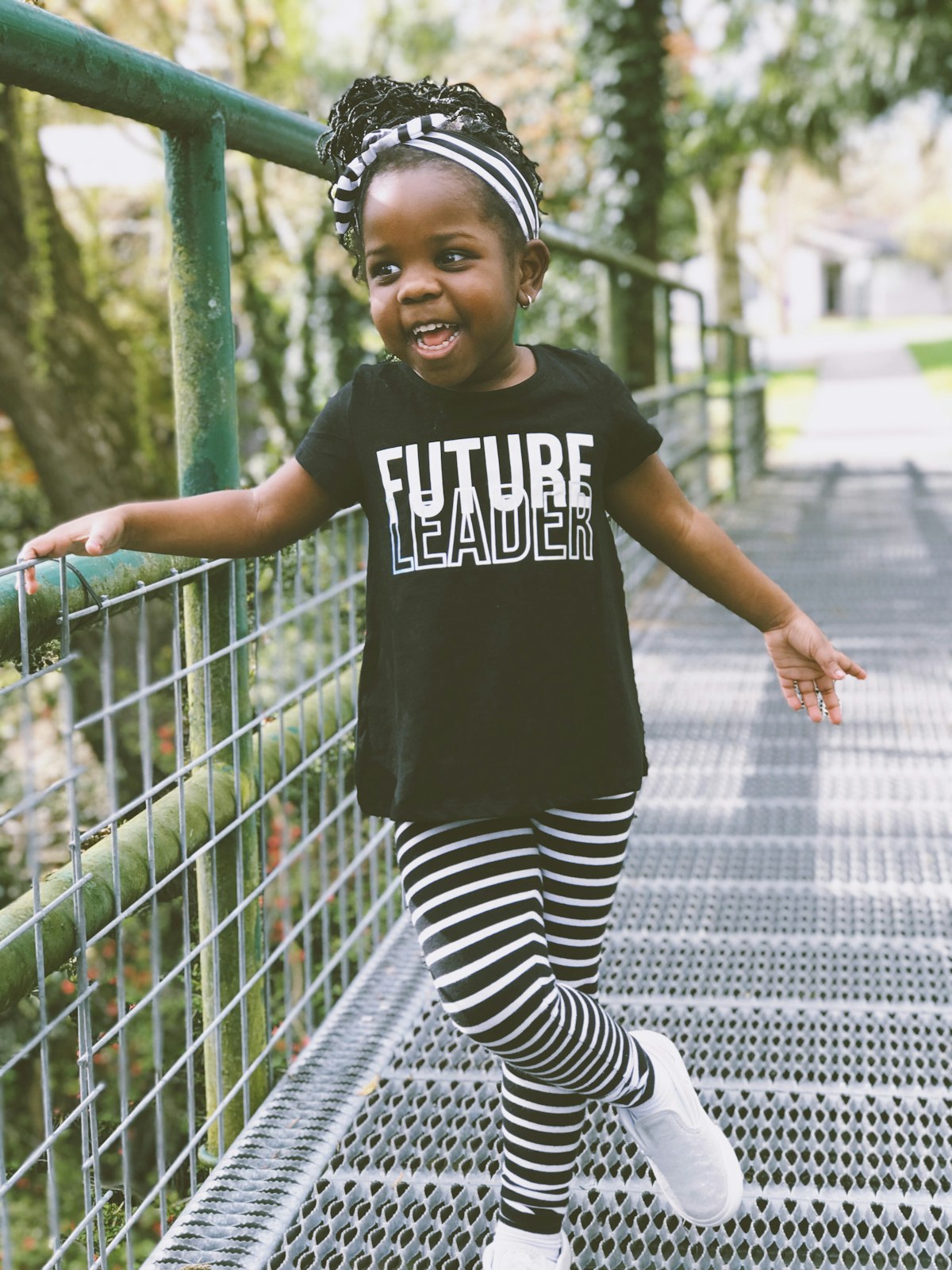
Georgia's family appeal centers on an unusual combination: genuine affordability, remarkable safety, and a culture where children are celebrated rather than tolerated. Kids join family dinners at restaurants until late hours, grandparents are deeply involved in daily life, and the general attitude toward children skews warmly permissive by Western standards. The cultural warmth toward children manifests in daily interactions that feel genuinely different from polite Western tolerance—strangers engage with your kids, shopkeepers offer them fruit, and the concept of 'child-free spaces' barely exists. This warmth is not performance; it reflects a society that still organizes itself around family as a primary unit rather than an afterthought.
The challenges exist too: international school options remain limited compared to larger expat destinations, healthcare requires realistic assessment, and the winter cold plus summer heat create seasonal considerations for outdoor family life. Families who thrive here typically embrace the cultural warmth while maintaining practical backup plans for education and medical needs. The limited school options force creative educational thinking that some families come to prefer—hybrid approaches combining formal instruction with cultural immersion and outdoor learning that would be difficult to replicate in more structured educational environments. The constraint, in other words, sometimes produces the better outcome.
Safety and Quality of Life for Families
Georgia's violent crime rate ranks among Europe's lowest. Street crime exists but is uncommon. Children can play in parks, walk to nearby shops, and enjoy public spaces with minimal safety concerns. The cultural attitude toward children is protective—Georgians will intervene if they see a child in potential danger, creating informal community supervision.
The primary safety concern: traffic. Georgian driving culture is aggressive, lane discipline poor, and pedestrian crossings don't guarantee cars will stop. Teach children to be extremely careful near roads. This is the main hazard parents need to actively manage.
Air quality in Tbilisi varies seasonally—winter heating and traffic create pollution during cold months. Not severe by global standards but noticeable for those with respiratory sensitivities. Mountain areas and Batumi offer cleaner air alternatives.
The family-friendly atmosphere extends to daily life. Restaurants don't just tolerate children—they welcome them with genuine warmth. Late dinners with kids are normal. Accommodations for families (high chairs, children's menus) are improving. The Georgian extended family model means everyone has experience with children around.
The psychological safety that comes from living in a low-violent-crime environment deserves separate acknowledgment from the practical safety statistics. In cities where parents track children's phones, avoid certain parks after dark, and rehearse safety scenarios, the alternative—a place where children can wander to the corner shop independently at age eight without generating parental anxiety—represents a qualitative shift in family life that numbers cannot capture. Georgian children develop confidence and independence at a pace that Western parents sometimes find startling and occasionally envy.
International Schools in Tbilisi
QSI International School of Tbilisi offers American curriculum from preschool through high school. Tuition runs $10,000-20,000 annually depending on grade level. Class sizes are small, teachers are internationally recruited, and the school community is tight-knit. Located in Vake, accessible from most expat-favored neighborhoods.
British International School of Tbilisi follows UK curriculum with IGCSE and A-Level preparation. Tuition comparable to QSI. The school attracts diplomatic families and long-term expat residents. Facilities continue developing as the school grows.
European School of Tbilisi and several newer options are expanding the market. Quality and curriculum vary—visit personally and speak with current parents before committing. The international school market is growing but still limited compared to major expat hubs.
Admission: schools typically require previous academic records, sometimes entrance assessments, and interviews. Apply early for popular schools—waiting lists exist for certain grades. Most schools start in September following European/American academic calendars.
Moving with children turns every small decision into a family negotiation, and it helps to hear how other parents lived through the same year. Audible gives you 30 free days — long enough for a memoir or two about raising kids between two countries, usually while doing something else.
Affiliate disclosure: the Audible link above is an affiliate link. If you start a trial through it, Expat Blueprint may earn a small commission at no extra cost to you. It never changes what we recommend. Read the full disclosure.
Land Well takes this further than an article usefully can — 70 pages built around one question: how will daily life actually work there? See what it covers.
Local Schools and Alternative Options
Georgian public schools are free but conduct instruction in Georgian. For younger children who might learn the language quickly, this offers deep cultural immersion. Older children without Georgian face significant challenges. Some families use Georgian schools for early years, then transition to international schools.
Bilingual and trilingual schools have emerged, offering Georgian alongside English or Russian instruction. These bridge the gap between full Georgian immersion and expensive international schools. Quality varies considerably—research specific schools rather than assuming bilingual means quality.
The homeschooling community in Tbilisi has grown substantially. Many digital nomad families homeschool, creating informal co-op groups, shared classes, and social activities. Facebook groups connect homeschooling families. Georgia has no specific homeschool regulations for foreigners—you operate under your home country's requirements if any.
Tutoring supplements all approaches. Private English tutors: $10-25/hour. Music lessons, sports coaching, and language tutoring are affordable and widely available. Many families create hybrid approaches—partial school attendance plus tutoring plus homeschool elements.
The homeschooling co-ops have developed a distinctly Georgian character shaped by the country's outdoor access and cultural immersion opportunities. Weekly field trips to archaeological sites, nature reserves, and traditional craft workshops become curriculum rather than enrichment. Children learn about fermentation by visiting qvevri workshops, about geology by hiking canyon trails, and about history by walking through sites where it actually happened. This experiential dimension gives Georgian homeschooling a richness that desktop-bound approaches elsewhere struggle to match, and some families who arrived planning to homeschool temporarily find themselves preferring it to any formal alternative.

Children's Healthcare
Pediatric care in Tbilisi private clinics meets reasonable standards. Well-child visits, vaccinations, and common childhood illnesses are handled competently. English-speaking pediatricians are available at international-focused clinics like American Medical Center. Routine care costs remain low—pediatric visits $25-50.
Vaccinations follow standard schedules and are readily available. Bring records of previous vaccinations. Georgian doctors may suggest additional vaccines (hepatitis A for example) based on local conditions. Pharmacies stock most common children's medications without prescription.
For serious pediatric issues, honestly assess Georgian capabilities. Complex conditions, surgeries, and specialized care may warrant traveling to Turkey, Europe, or home country. Medical evacuation insurance is strongly recommended for families—it covers emergency transport to appropriate facilities.
Dental care for children is excellent value. Pediatric dentists with good equipment charge $20-40 for checkups, significantly less than Western rates. Orthodontics available at fraction of US/EU prices.
Family Housing and Neighborhoods
Vake remains the top choice for families with school-age children. Proximity to international schools, parks, and family-friendly atmosphere command premium rents: $600-1,000 for 2-3 bedroom apartments. Many buildings have playgrounds; the neighborhood feels safe for children to walk around.
Saburtalo offers more affordable family housing ($450-700 for larger apartments) with good metro access and developing family infrastructure. Less polished than Vake but practical for families prioritizing space over aesthetics.
Vera appeals to families wanting central location with village-like neighborhood feel. Tree-lined streets, small parks, walking distance to everything. Apartments can be smaller; finding 3+ bedrooms is harder. Rents: $500-800 for family-sized spaces.
Outside Tbilisi, Batumi offers beach lifestyle with lower costs but fewer international school options. Some families base there for early childhood years, relocating when formal schooling becomes priority. Mountain towns work for temporary stays but lack long-term family infrastructure.
Family Activities and Lifestyle
Tbilisi's parks provide essential family gathering spaces. Vake Park offers extensive grounds, outdoor cafes, and a lake. Mtatsminda Park includes an amusement park with rides and panoramic views—accessible by funicular. Botanical Garden and various smaller parks throughout the city give families green space options.
Weekend excursions become family tradition. Mtskheta (ancient capital, 30 minutes) offers historic sites and riverside walks. Kazbegi (3 hours) provides mountain adventures with stunning scenery. Wine regions welcome families with kid-friendly wineries. Beach trips to Batumi work as longer breaks.
Sports and activities for children: swimming pools, martial arts, dance classes, football clubs all exist at reasonable prices. Finding English-speaking instruction requires some research but is increasingly available. Music schools offer classical training at excellent value.
The social calendar that emerges organically in Tbilisi surprises many family expats expecting to feel isolated. The city's compact geography means that playgrounds become community anchors where children find each other and parents find conversation. Weekend markets, outdoor festivals, and neighbourhood events create recurring social touchpoints without requiring advance planning. Families who arrive expecting to recreate their previous social structures discover instead that Georgia builds new ones—less scheduled, more spontaneous, occasionally more satisfying.
The Georgian approach to family life may take adjustment. Extended family involvement is normal—grandparents often live with or near families and participate actively in childcare. Children stay up late, join adult social events, and are generally included rather than separated. For families from cultures with stricter child schedules, this can feel disorienting initially but often becomes appreciated.
Language considerations: children pick up Georgian faster than adults, but creating consistent exposure matters. Playgrounds, Georgian friends, activities with local kids accelerate learning. Younger children often become trilingual (English/Georgian/Russian) through natural immersion.
The affordability of activities restructures family weekends from planned events to spontaneous exploration. When a day trip to a castle costs petrol money and a picnic, when swimming lessons run five dollars per session, when museum entry is negligible—you stop planning weekends and start improvising them. This shift from scheduled enrichment to organic discovery changes the texture of family time in ways parents notice gradually. Children develop initiative because adventures are accessible rather than rationed, and the family develops a repertoire of shared experiences that accumulates into something richer than any structured program could provide.
The gift that Georgia gives to expat families often reveals itself only in retrospect. Children who spend formative years here develop a particular ease with cultural difference—an intuitive understanding that the world operates in multiple valid ways simultaneously. They learn that hospitality can be overwhelming and still genuine, that friendships can form across language barriers, and that their own cultural norms are choices rather than defaults. Parents sometimes worry about what their children miss by living outside their home country's educational and social systems. But the children themselves, when asked years later, tend to describe their Georgian years as foundational rather than disruptive—the period when the world became bigger and more interesting.
Is Georgia Right for Your Family?
Georgia works exceptionally well for families who value: low costs allowing quality family time over work pressure, genuine safety in daily life, cultural warmth toward children, and adventure opportunities. The limitations are real: school options remain limited, healthcare requires realistic assessment, and you're building family life in a developing country context.
Many families test Georgia with extended stays before committing. The visa-free year gives ample time to evaluate schools, build social networks, and determine whether the lifestyle fits. Children often love Georgia—the freedom, the warmth, the adventures. Parents' assessment depends more on practical considerations: work, education standards, and comfort with developing-country realities.
Written by
Carl S Moller
Founder & Editor, Expat Blueprint
Carl S Moller is the founder and sole editor of Expat Blueprint. He researches and writes every guide himself, working from immigration ministries, tax authorities, national statistics and recent first-hand reporting rather than claiming to have lived in all sixteen countries covered.
Keep the thread going
One reflective note every few weeks, and 20% off anything in the workbook shop the moment you sign up. The code is valid through 31 August 2026.
Unsubscribe any time. We never share your address. The 20% code is valid through 31 August 2026.