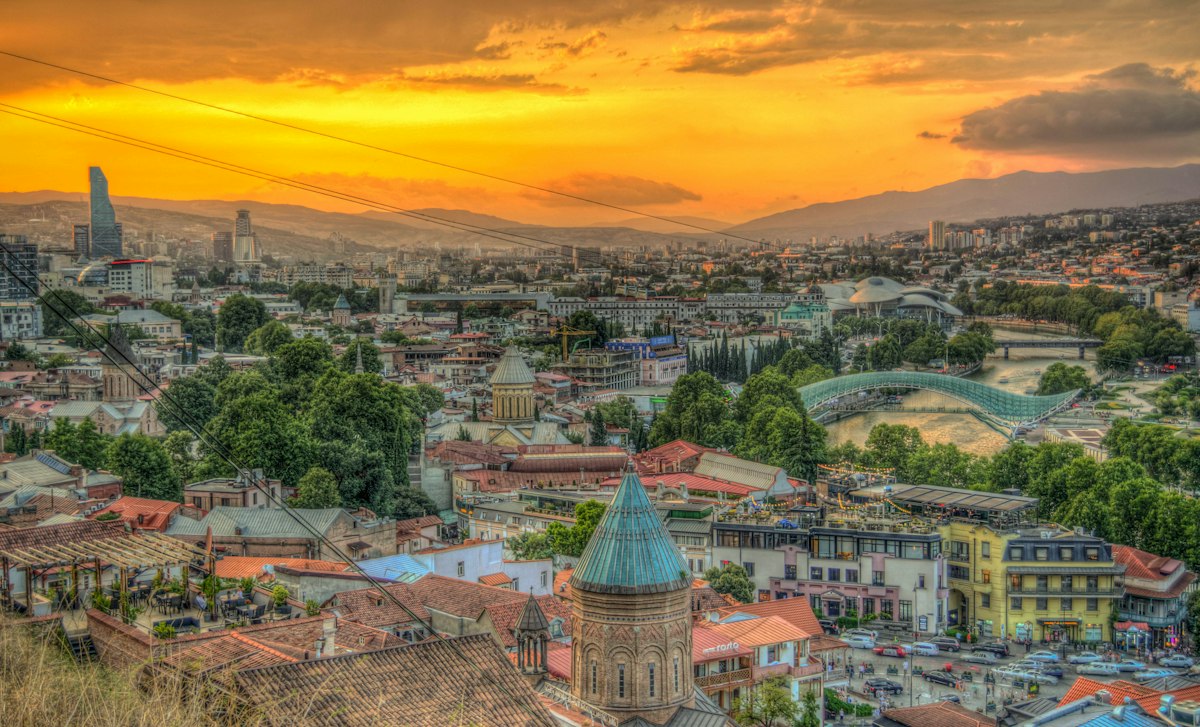
Georgian Culture and Traditions: An Expat's Introduction
Georgian culture revolves around the supra, friendship, and hospitality codes that no guidebook captures — social life, food traditions, and Tbilisi rhythms.
8 min read
Georgian culture operates on generosity, wine, and a hospitality tradition that can feel overwhelming to newcomers. The supra, the social codes, the particular rhythm of this ancient-yet-rapidly-changing society—all of it requires adjustment, and most expats find that adjustment permanently changes how they understand hospitality.
Quick Takeaways
- •The supra (feast) is central to Georgian social life—expect long meals with toasts
- •Hospitality borders on aggressive generosity—refusing food is almost impossible
- •Georgian script is unique—learning basics helps with street signs and menus
- •Orthodox Christianity influences holidays, shop hours, and social expectations
- •Cash remains important despite growing card acceptance in Tbilisi
Georgia occupies a fascinating cultural position—fiercely proud of traditions dating back millennia, yet enthusiastically embracing modernity. You'll encounter ancient winemaking techniques alongside third-wave coffee shops, Orthodox monasteries next to techno clubs, and hospitality rituals that haven't changed in centuries practiced by people with the latest smartphones. The coexistence of ancient and rapid creates visible seams that newer countries have already smoothed over—a tension that keeps daily life interesting and occasionally bewildering. Learning to read which version of Georgia you're inhabiting at any given moment is one of the more interesting skills the country teaches.
This isn't a country where you simply observe culture from outside. Georgians will pull you into their traditions before you've had a chance to prepare. That initial intensity—the insistent hospitality, the late nights, the sheer volume of food and wine—either becomes the thing you love most about Georgia or the thing that exhausts you. There's rarely a middle ground. The informal relationship economy operates alongside official systems in ways that reward patience—knowing the right person still matters more than knowing the right procedure, and learning to navigate this duality defines the expat adjustment period more than any language barrier. The adjustment, once made, tends to feel permanent. People who've lived here for years describe reverting to relationship-based thinking even after returning to their home countries.
The Supra: Georgia's Sacred Feast Tradition
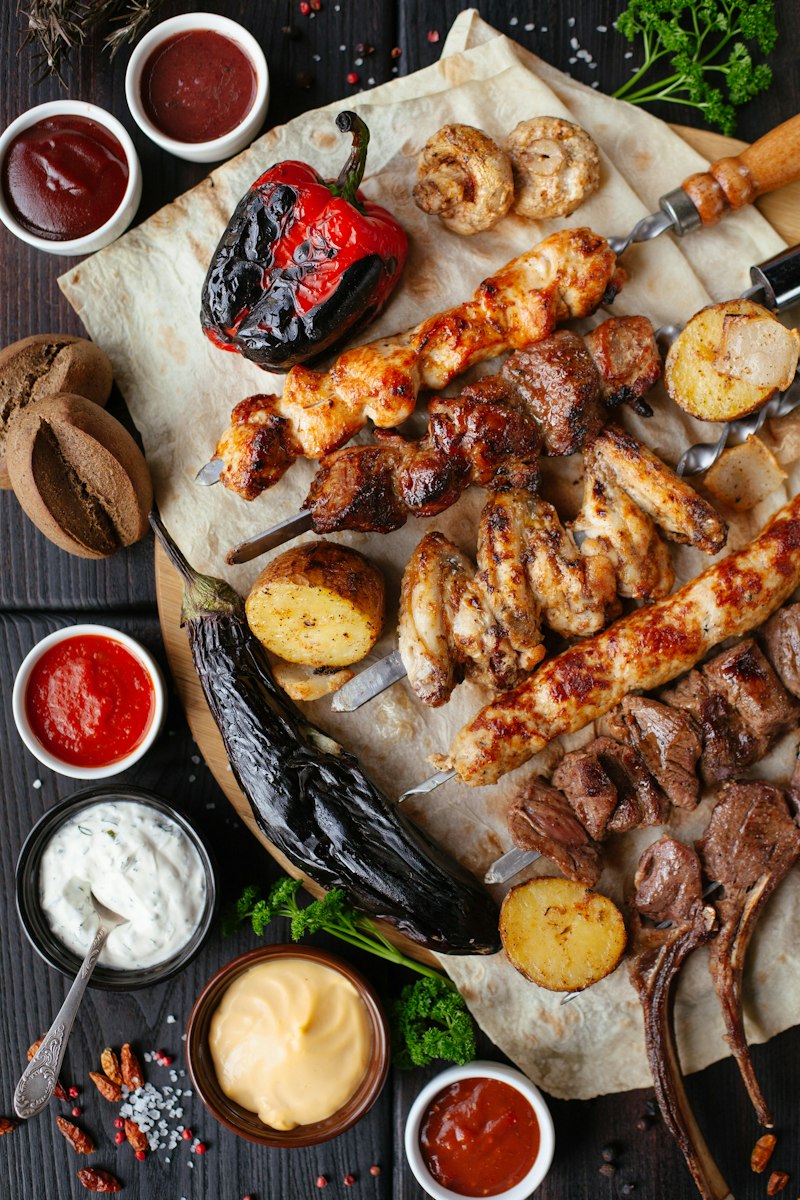
The supra isn't just a dinner party—it's a structured ritual with rules dating back centuries. A tamada (toastmaster) leads the meal, offering toasts in a specific order: to God, to Georgia, to the deceased, to family, to the host, and onwards through an evening that can stretch for hours. Each toast requires drinking (traditionally wine, often chacha—Georgian grape brandy), and refusing is considered rude.
Being invited to a supra marks acceptance into someone's inner circle. These gatherings happen for celebrations (weddings, birthdays, holidays) but also spontaneously when friends gather. You'll eat quantities that seem impossible—Georgian hospitality measures affection in how much food remains on your plate (the goal: none). Dishes keep coming until you've refused several times, and even then, 'just try this one thing' continues.
Navigating supra culture as a non-drinker or someone with dietary restrictions requires diplomatic skill. Saying you're driving is accepted. Health reasons earn sympathy. Vegetarians face challenges—Georgian cuisine is meat-heavy, though cheese dishes (khachapuri variations) and vegetable plates (pkhali) exist. The key: communicate early, show appreciation for the gesture, and participate in the toasting ritual even if you're drinking water.
Food Culture: Beyond the Restaurant Menu
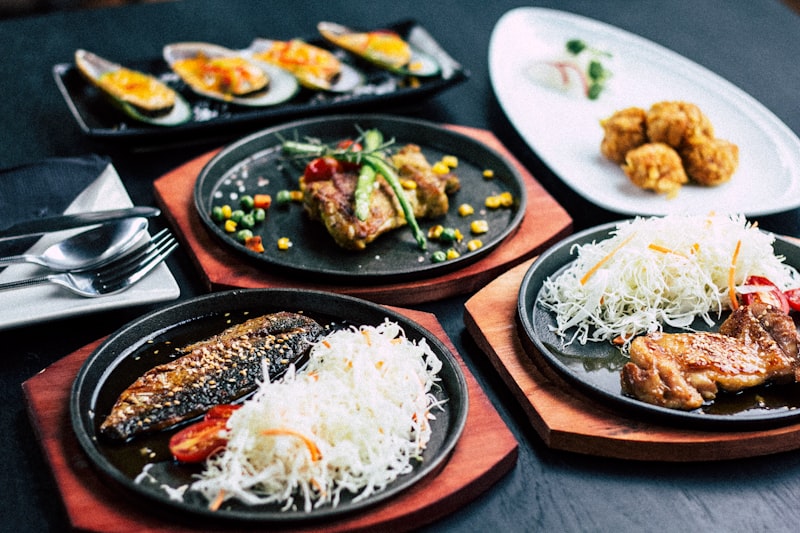
Georgian cuisine has earned its recent international recognition, but eating here goes beyond restaurant visits. The local bazaar (bazroba) remains central to daily life—fresh produce, churchkhela (grape and nut candy), spices, cheese, and bread at prices that shame supermarkets. The Dezerter Bazaar in Tbilisi offers an overwhelming sensory experience: vendors calling out, samples thrust into your hands, negotiations over prices that feel like performance art.
Home cooking holds higher status than restaurant food. Being invited to someone's home means tasting dishes you won't find on menus—regional specialties, family recipes passed through generations, grandmother's particular khinkali technique. The expectation: arrive hungry, leave stuffed, and compliment everything extensively.
Daily eating rhythms differ from Western patterns. Breakfast is typically light—coffee and bread with cheese. Lunch can be substantial if you're eating out, often at a სასადილო (sasadilo—cafeteria-style restaurant) serving home-cooked dishes for a few lari. Dinners stretch long, especially social ones. The Georgian concept of time around meals: flexible, extended, never rushed. Checking your phone during meals is increasingly common among younger Georgians but still considered rude in traditional settings.
Some of this only really lands when you hear someone else describe it. Memoirs about learning a language late, or about the first winter somewhere unfamiliar, tend to be honest in a way guides rarely are. Audible's first 30 days are free — which is usually enough time to find one book that changes how you read the rest of this.
Affiliate disclosure: the Audible link above is an affiliate link. If you start a trial through it, Expat Blueprint may earn a small commission at no extra cost to you. It never changes what we recommend. Read the full disclosure.
Land Well takes this further than an article usefully can — 70 pages built around one question: how will daily life actually work there? See what it covers.
Navigating Daily Systems and Practicalities
Cash remains more important than in many European countries. While Tbilisi restaurants and shops increasingly accept cards, smaller vendors, marshrutkas (minibuses), and bazaars operate on cash. ATMs are plentiful, and Georgian Lari is the only currency you'll need—dollars and euros aren't commonly accepted. Banking has modernized rapidly; Bank of Georgia and TBC offer excellent mobile apps.
English proficiency varies dramatically. Tourist-facing Tbilisi (hotels, restaurants, cafes) speaks English well. Step outside these zones or beyond the capital, and Georgian or Russian become necessary. Learning Georgian script takes a few days and proves invaluable—street signs, menus, and public transport use Mkhedruli alphabet exclusively. 'Thank you' (gmadlobt) and 'hello' (gamarjoba) earn disproportionate goodwill.
Bureaucracy operates on personal connections. Problems that seem insurmountable often resolve through knowing the right person or finding the right unofficial channel. This frustrates those expecting systematic processes but delights those who master the relationship-based approach. The Public Service Hall has streamlined many government interactions, but complex issues still benefit from local help working within the system.
Traffic and driving culture deserve warning. Georgian drivers are aggressive by any standard—lane markings are suggestions, overtaking happens everywhere, and pedestrian crossings don't guarantee safety. As a pedestrian: look multiple times, don't assume cars will stop. As a passenger: accept that your driver's style differs from what you're used to.
Seasonal Rhythms and Calendar and practical Tips for Daily Life
Tbilisi summers are genuinely hot—35°C+ temperatures send anyone who can afford it to the mountains or Black Sea. The city empties somewhat in July and August. Batumi booms with tourists. The mountain regions (Svaneti, Kazbegi) offer relief and spectacular hiking.
Winters bring cold that surprises those expecting 'southern' weather. Tbilisi sees occasional snow, temperatures dropping to -5°C, and heating becoming essential. The upside: winter reveals a different city—cozy wine bars, steaming khinkali restaurants, and far fewer tourists.
Rtveli (grape harvest, September-October) marks Georgia's most important seasonal event. Wine regions come alive with harvesting, qvevri-filling, and celebrations. Even urban Georgians often return to family villages for harvest traditions. It's peak time for wine tourism and understanding Georgian identity. Participating in rtveli transforms wine from product to relationship—you understand why Georgians speak about wine with a reverence that borders on spiritual when you've stood in a vineyard at dawn, helped sort grapes by hand, and watched the juice begin its journey into a clay vessel buried in earth. The experience doesn't require expertise or invitation so much as willingness, and it connects you to eight thousand years of continuous tradition in a way that no tasting room or wine tour can approximate.
The Orthodox calendar creates the holiday rhythm. Georgian Christmas (January 7) and Easter (date varies, often different from Western Easter) are major celebrations. New Year remains the biggest party—fireworks, feasts, and a week of celebrations. Banks and businesses close for extended periods around these holidays; plan accordingly.
Tipping runs 5-10% in restaurants, though it's not universally expected. Rounding up taxi fares is common. Service charge isn't typically added to bills. In traditional settings, the host pays—splitting bills can seem insulting in social contexts.
Bargaining is acceptable at bazaars and with some taxi drivers (outside apps). Fixed-price shops don't negotiate. The approach: friendly, not aggressive; showing genuine interest helps more than hard bargaining.
Dress codes matter more than in Western Europe. Shorts and tank tops are fine for streets but inappropriate for churches. Women should carry a scarf for church visits. Business attire is more formal than casual Western norms.
Pharmacies (აფთიაქი) are everywhere and sell many medications without prescriptions that would require them elsewhere. Pharmacists often provide medical advice. For serious issues, private clinics offer same-day appointments at reasonable prices.
Georgian time is flexible. 'I'll be there at 8' might mean 8:30. Business meetings start late, dinners later. Fighting this causes frustration; accepting it brings peace. The exception: flights and some official appointments, which do expect punctuality.
The transition between indoor and outdoor life follows rhythms that new arrivals internalize gradually. Summer pushes everything outdoors—meals move to terraces, socializing happens in parks, and apartments feel like sleeping quarters rather than living spaces. Winter reverses this entirely, pulling life inward to heated rooms, long kitchen conversations, and the particular Georgian coziness that emerges when cold weather meets warm hospitality. Understanding that the city transforms twice annually helps newcomers avoid judging Georgia by a single season's experience, which is perhaps the most common mistake among those who arrive, spend three months, and form permanent opinions based on incomplete evidence.

Finding Your Rhythm
The first months in Georgia often feel like a pendulum—exhilarating hospitality followed by cultural exhaustion, fascinating traditions alongside frustrating systems. Most expats find their balance around the three-month mark, understanding when to dive into Georgian social life and when to retreat to the comfortable familiarity of expat cafes.
Georgia rewards those who engage fully with its culture while maintaining their own boundaries. You don't have to become Georgian—you won't be expected to—but showing genuine interest in traditions, attempting the language, and accepting hospitality with grace opens doors that remain closed to those who hold back. This is a country that still runs on relationships and warmth. Lean into it.
Written by
Carl S Moller
Founder & Editor, Expat Blueprint
Carl S Moller is the founder and sole editor of Expat Blueprint. He researches and writes every guide himself, working from immigration ministries, tax authorities, national statistics and recent first-hand reporting rather than claiming to have lived in all sixteen countries covered.
Keep the thread going
One reflective note every few weeks, and 20% off anything in the workbook shop the moment you sign up. The code is valid through 31 August 2026.
Unsubscribe any time. We never share your address. The 20% code is valid through 31 August 2026.
Social Etiquette: Navigating Georgian Relationships
Georgians are warm, direct, and sometimes intense by Western standards. Strangers become friends fast—taxi drivers share life stories, shopkeepers remember your preferences after one visit, neighbors involve themselves in your business with genuine care. This closeness extends both ways: privacy expectations are lower, and 'personal questions' (about your marriage status, salary, political views) come freely.
Gender dynamics remain traditional compared to Western Europe. Women may experience more traditional expectations around clothing (modest dress, especially at churches), and Georgian men can be persistently attentive in ways that feel uncomfortable. The younger generation in Tbilisi skews more progressive, but moving outside the capital reveals more conservative attitudes.
The Orthodox Church shapes social expectations more than immediately visible. Religious holidays affect business hours and public life. Church visits require covered shoulders (women) and often head coverings. Even secular Georgians observe major Orthodox holidays and maintain church connections for weddings, baptisms, and funerals. Showing respect for religious traditions—regardless of your own beliefs—matters for social acceptance.
Gift-giving follows unwritten rules. Bringing something (wine, sweets, flowers) when visiting homes is expected. Wine should be Georgian (bringing foreign wine risks offense). Flowers in odd numbers only—even numbers are for funerals. Refusing offered food or drink requires persistent declining and explanation; one 'no' never suffices.
The directness of Georgian curiosity eventually becomes refreshing after the initial discomfort fades. Questions about your salary, marital status, and life plans that would feel invasive in Northern European contexts carry different weight here—they signal genuine interest rather than boundary violation. After months of this openness, returning to cultures where acquaintances maintain careful conversational distance can feel oddly lonely. Many expats discover they've internalized Georgian directness and struggle to readjust to the polite evasions that govern social interaction in their home countries.