
Budapest Apartments: District Guide and Rental Costs for Expats
Budapest apartments range from grand to grim — district differences, rental costs that still surprise Europeans, property buying basics, and search strategies.
8 min read
Budapest offers some of Europe's most characterful housing—Art Nouveau apartments with soaring ceilings, views of the Danube, and thermal baths nearby—at prices that shame Western capitals. Understanding the market, from district personalities to heating cost surprises, shapes whether you find a home or just an apartment.
Quick Takeaways
- •Central Budapest 1-bedroom: €500-800/month, with character apartments at premium
- •Outer districts like Újbuda offer €400-600 for modern, family-friendly living
- •Deposits typically 2 months rent plus 1 month advance
- •EU citizens can buy property freely; non-EU face some restrictions
- •Heating costs matter—budget €80-150/month in winter for older buildings
Hungarian housing, particularly in Budapest, offers something increasingly rare in Europe: genuine character at accessible prices. The city's apartment stock includes stunning pre-war buildings with high ceilings, ornate details, and that particular Central European grandeur that newer construction simply cannot replicate. You're not just renting space—you're living in architectural history.
The rental market has professionalized considerably, with agencies, online platforms, and standardized contracts becoming normal. Yet challenges remain: language barriers, heating costs that surprise newcomers, and the perpetual question of which district actually suits your lifestyle. The heating cost discovery in particular reshapes what 'affordable' means in practice—an apartment that looks cheap in June reveals its true cost in January, when gas bills can exceed the rent itself in poorly insulated pre-war buildings. Getting this decision right shapes your entire Hungarian experience.
Budapest Districts: Where Expats Actually Live
District V (Belváros-Lipótváros) is the historic center—Parliament, Chain Bridge, and Danube views. Apartments here are tourist-adjacent but beautiful, running €700-1,200 for one-bedrooms. The trade-off: tourist crowds, party noise on weekends, and premium prices for the prestige address. Best for those who want iconic Budapest at their doorstep and don't mind the bustle.
District VI (Terézváros) offers the sweet spot many expats seek. The Andrássy Avenue end has grand apartments and opera house proximity; the other end connects to the nightlife of District VII. Expect €550-800 for one-bedrooms. The district balances accessibility, character, and livability without District V's tourist intensity.
District VII (Erzsébetváros), the Jewish Quarter, is where ruin bars and nightlife concentrate. Living here means energy, creativity, and noise—depending on your block. Younger expats and digital nomads love it; those seeking quiet should look elsewhere. Rents: €500-750 for one-bedrooms, varying dramatically by proximity to party venues.
District XI (Újbuda) and District XIII provide more residential, family-friendly living. Modern buildings, better parking, more space per euro—€400-600 for one-bedrooms. These districts suit families, those with cars, and anyone prioritizing practical living over central excitement. Less character, more convenience.
The district numbering system creates a mental geography that takes months to internalize. Budapest has twenty-three districts, each with a Roman numeral and a name that locals use interchangeably, and the logic behind the numbering reflects historical annexation patterns rather than geographic proximity. District I sits atop Castle Hill while District XXIII sprawls at the southern edge, but the numbers between follow no intuitive spatial sequence. Newcomers navigate by landmarks and metro stops long before the district map becomes second nature, and the moment when you start saying 'the seventh' instead of 'Erzsébetváros' marks a subtle threshold of belonging that no residence card can replicate.

Beyond Budapest: Regional Options
Debrecen, Hungary's second city, offers dramatically lower costs—€300-450 for central one-bedrooms. The university creates international community, and infrastructure is solid if less glamorous than Budapest. Ideal for those prioritizing budget or with university connections, but requiring tolerance for smaller-city life and less English.
Szeged and Pécs attract expats seeking authentic Hungarian experience at lower costs. Both are university cities with cultural life punching above their weight. Apartments run €250-400. English is less common, integration into local life more necessary, but the reward is genuine immersion rather than expat bubble existence.
Lake Balaton attracts retirees and nature-seekers. Towns like Balatonfüred and Keszthely offer lakeside living with dramatic seasonal variation—quiet winters, bustling summers. Year-round rentals start at €350-500, but summer months command premiums. Infrastructure is seasonal; year-round living requires accepting quieter off-season rhythms.
For most expats, Budapest remains the obvious choice. The secondary cities suit specific circumstances—budget constraints, university ties, or deliberate pursuit of deeper Hungarian integration. Testing Budapest first before considering alternatives is the typical and sensible approach.

This is the stage The Move-Ready Reset was written for — what must happen so i can actually leave? It costs $39 and downloads immediately. See what it covers.
Understanding Hungarian Rental Costs
Rent represents only part of housing costs—a lesson newcomers learn quickly. Older buildings with character often have poor insulation, meaning winter heating bills of €100-150/month on top of rent. Modern apartments cost more initially but save on utilities. Calculate total annual costs, not just monthly rent.
Standard deposits: 2 months rent as security deposit plus first month's rent upfront—3 months total cash required at move-in. Some landlords accept 1-month deposit for shorter commitments. Deposits should be documented in the contract with clear return conditions.
Utilities typically aren't included in rent. Budget: electricity €40-60/month, gas heating €60-120/month in winter (zero in summer), water €15-25/month, internet €15-20/month. Total utilities: €100-200/month depending on season and building efficiency. The seasonal utility swing effectively creates two different budgets for the same apartment—your summer months feel almost irresponsibly affordable while winter months introduce a sobriety that the warm-weather listing price concealed. Experienced expats average their annual utility costs and divide by twelve to get a realistic monthly figure, because the psychological whiplash of alternating between cheap and expensive months distorts financial planning in ways that catch newcomers off guard.
Furnished versus unfurnished: most expat-targeted rentals come furnished, but quality varies dramatically. Some include modern amenities and quality furniture; others offer bare minimum. Clarify exactly what's included before signing. Unfurnished apartments are cheaper but require significant furniture investment and are typically longer-term commitments.
The Hungarian Rental Process
Online platforms dominate apartment hunting. Ingatlan.com is the main Hungarian site (use Google Translate or find English listings). Facebook groups like 'Apartments for Rent in Budapest' and expat-focused groups offer direct landlord access. Agencies charge 1 month's rent as fee but simplify the process for non-Hungarian speakers.
Viewing apartments requires quick action—desirable properties move fast. Confirm viewings by phone or message (WhatsApp works). Bring passport and be prepared to express interest immediately. Having deposit funds ready accelerates securing good apartments. The speed of the market rewards decisiveness over deliberation in ways that feel uncomfortable for those accustomed to researching every option before committing. Good apartments in desirable districts disappear within days, sometimes hours, and the expats who secure the best places are those who arrive at viewings ready to say yes and hand over a deposit. This urgency is not manufactured pressure—it reflects genuine demand from a growing international community competing for a limited stock of renovated, well-located apartments.
Contracts should be in writing, ideally bilingual or with official translation. Key elements: rent amount and payment schedule, deposit amount and return conditions, notice period (typically 30-60 days), utility responsibility, maintenance obligations. Legitimate landlords welcome written contracts; those avoiding documentation should raise concerns.
Landlord verification matters. Request to see property ownership documents or power of attorney for management. Scams exist—never pay deposits before viewing, be wary of prices significantly below market, and trust instincts about situations that feel wrong. The vast majority of rentals are legitimate, but basic caution protects you. Engaging a Hungarian-speaking friend or colleague during the viewing and contract stages provides both linguistic support and a second pair of eyes that catches details the excitement of finding an apartment can easily obscure.
What Hungarian Apartments Offer
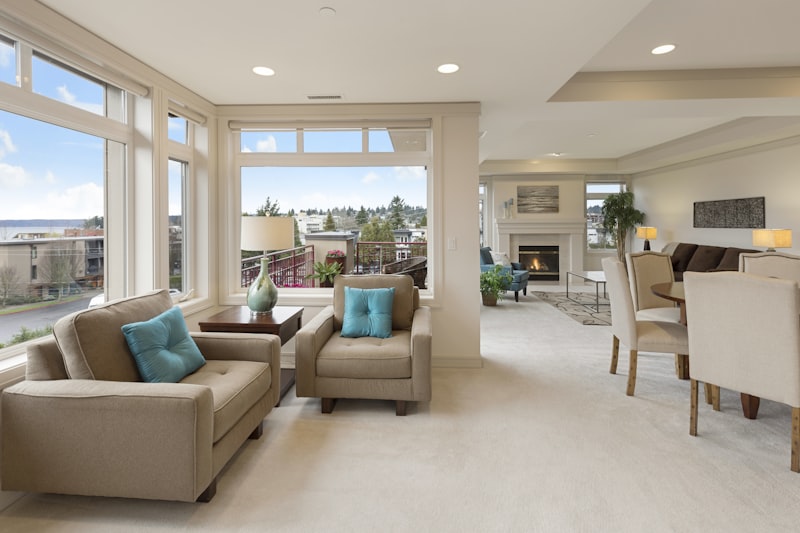
Pre-war buildings (pre-1945) offer the architectural character Budapest is famous for: high ceilings (3-4 meters), large windows, parquet floors, ornate details. The trade-offs: older electrical systems, potential heating inefficiency, and maintenance issues in less-renovated buildings. A renovated pre-war apartment combines the best of both worlds—character with modern systems.
Socialist-era buildings (1950s-1980s) dominate outer districts. Panel buildings (panelház) offer efficient heating, reasonable layouts, and lower rents, but lack architectural charm. These suit budget-conscious expats who prioritize functionality over aesthetics. Interior renovation can make them quite comfortable.
New construction has increased, offering modern amenities: efficient heating/cooling, underground parking, sometimes gyms and concierge services. These buildings lack character but provide hassle-free living. Expect to pay premiums of 20-40% over comparable-size older apartments.
Heating systems require attention. District heating (távfűtés) provides consistent warmth but no individual control—it turns on in October and off in April regardless of actual temperature. Gas heating offers control but requires attention to efficiency. Electric heating is expensive to run. Verify heating type and estimated costs before committing.
Buying Property in Hungary
EU citizens can purchase property in Hungary with minimal restrictions, following essentially the same process as Hungarian citizens. Non-EU citizens face additional requirements: approval from local administrative office, which is usually granted but adds bureaucracy and 2-3 months to the process.
Budapest prices vary dramatically: €2,000-4,000/sqm in popular districts, €1,500-2,500 in outer areas. Renovated pre-war apartments in prime locations can exceed €5,000/sqm. Compared to Vienna or Munich, these prices remain very accessible for Central European capitals.
The buying process follows a predictable sequence: find property, agree price, sign preliminary contract with 10% deposit, complete due diligence including title search and lien checks, sign final contract with notary, pay the remaining amount, and register ownership at the land registry. The total process takes 2-4 months, though complications with title or building permits can extend this.
Buying Property in Hungary (Continued)
Transaction costs add up: property transfer tax at 4% of purchase price, notary fees at 0.5-1%, legal fees at 1-2%, and agency commission at 3-5% typically split between buyer and seller. Budget approximately 8-10% above purchase price for total acquisition costs.
The emotional calculus of purchasing property in a foreign market deserves honest consideration. Buying anchors you to a place, a currency, and a legal system in ways renting does not. The forint's fluctuations mean your property's euro-equivalent value shifts without the property itself changing. Building maintenance decisions happen in Hungarian, in meetings where your vote counts but your comprehension may not. Some expats find ownership deeply grounding—a commitment that transforms their relationship with Hungary from temporary to permanent. Others discover that the flexibility of renting serves the expat life better, preserving the ability to relocate without the friction of selling in a market you cannot fully read.
Practical considerations matter: verify clean title, check building common costs (közös költség), understand any renovation restrictions in protected buildings, and confirm actual usable square meters versus legal square meters. Hungarian listings sometimes include balconies and common areas in advertised size, inflating apparent value.
Your Hungarian Housing Strategy
Start with short-term rental (Airbnb or furnished monthly) to explore districts before committing. Budapest's neighborhoods have distinct personalities that photos don't capture—what seems perfect online may not match your daily reality. A month of exploration pays dividends in finding the right long-term home.
For most expats, Districts VI, VII, or XI offer the best balance of value, convenience, and quality of life. District VI for central sophistication, District VII for energy and nightlife, District XI for family-friendly practicality. Budget €600-900/month total including utilities for comfortable one-bedroom living in desirable areas.
Written by
Carl S Moller
Founder & Editor, Expat Blueprint
Carl S Moller is the founder and sole editor of Expat Blueprint. He researches and writes every guide himself, working from immigration ministries, tax authorities, national statistics and recent first-hand reporting rather than claiming to have lived in all sixteen countries covered.
Keep the thread going
One reflective note every few weeks, and 20% off anything in the workbook shop the moment you sign up. The code is valid through 31 August 2026.
Unsubscribe any time. We never share your address. The 20% code is valid through 31 August 2026.