Hungarian Medical System: European Quality at Affordable Prices
Hungarian public healthcare covers residents, but long waits, hálapénz culture, and the private clinic alternative create a dual system most expats navigate.
8 min read
Hungary combines EU healthcare standards with significantly lower costs. Known for medical and dental tourism, the country offers expats quality care options ranging from the public system to excellent private clinics.
Quick Takeaways
- •EU residents can access public healthcare with EHIC card
- •Private GP visits: €30-50, specialists: €50-80
- •Private health insurance: €80-150/month for comprehensive coverage
- •Dental tourism hub—procedures 50-70% cheaper than Western Europe
- •Many English-speaking doctors in Budapest private clinics
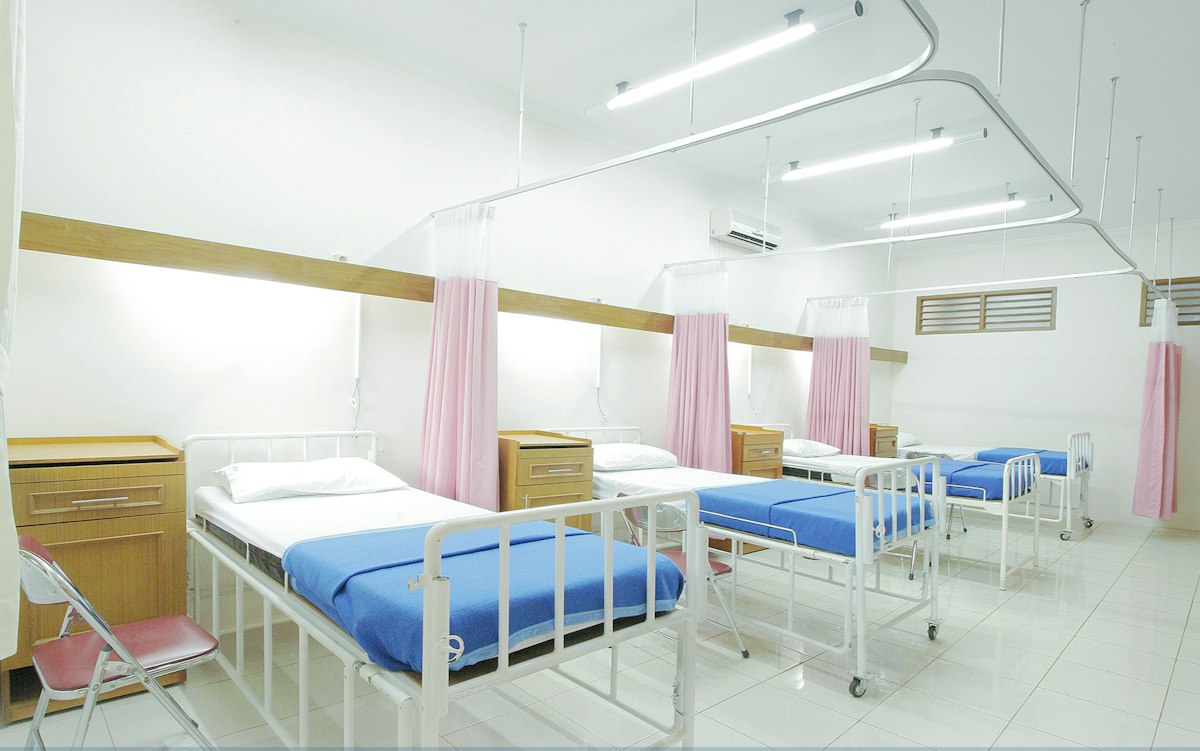
Hungary's healthcare system exists in two parallel realities that rarely intersect. The public system, funded through mandatory social insurance, provides universal coverage but struggles with chronic underfunding, long wait times, and facilities that range from adequate to dated. The private system, which has expanded dramatically since EU accession, offers modern care with English-speaking staff at prices that Western Europeans find almost suspiciously low.
What shapes the system's international reputation, however, is dental tourism. Budapest has become Europe's unofficial dental capital, drawing tens of thousands of patients annually for procedures costing a fraction of Western European prices without sacrificing quality. This phenomenon has spilled into broader medical tourism, attracting patients for everything from cosmetic surgery to orthopedic procedures. For expats living in Hungary, the practical question is simpler: navigating between public entitlements and private convenience to build a healthcare approach that works.
Understanding Hungary's Healthcare System
Hungary has a mandatory social insurance system (TB, short for társadalombiztosítás) that provides public healthcare for residents. EU citizens can access emergency care with their EHIC card, while non-EU expats need private insurance or must enroll in the public system by paying monthly contributions of around €50-80. This grants access to the full public network, though practical quality varies significantly.
The public system covers most medical needs but faces chronic underfunding that has persisted since the 1990s, leading to long wait times—sometimes months for specialist appointments—and varying facility quality between Budapest and regional hospitals. Informal gratuity payments (hálapénz) to doctors were recently outlawed but the culture lingers in some settings. Most expats, even those eligible for public care, choose private healthcare for convenience and certainty.
Private healthcare has grown dramatically since EU accession, offering modern facilities, minimal waits, and English-speaking staff. Budapest has the best options, with clinics concentrated in Districts II, XII, and XIII, though quality private care is increasingly available in Debrecen, Szeged, and Pécs. The gap between public and private experiences can be stark—the same specialist might see you in a crowded public clinic one day and a boutique private practice the next.
Private Clinics and Hospitals
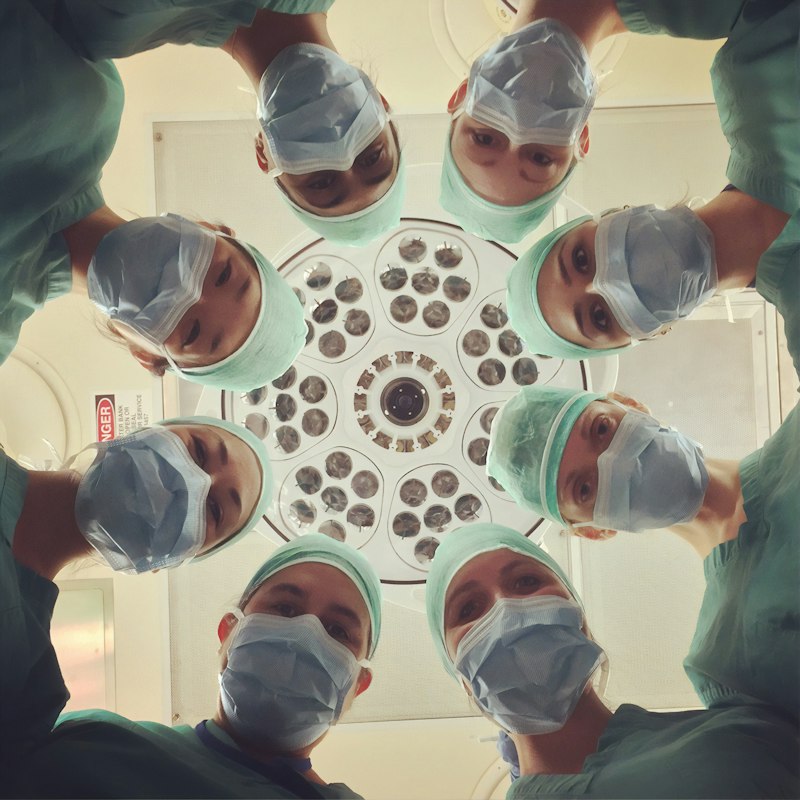
Budapest's private healthcare sector is excellent and continues expanding. Top facilities include FirstMed near Mammut shopping center (popular with diplomats and long-term expats), Rózsákert Medical Center in Buda, and Duna Medical Center on the Pest side. These offer comprehensive services from general practice to specialized care, with English, German, and often French-speaking doctors on staff.
Private hospitals like Duna Medical Center and Medicover Hospital provide advanced surgical care, diagnostic imaging, and in-patient services. Medicover runs a network across the country, useful if you spend time outside Budapest. Most doctors in these facilities trained in Western Europe and maintain connections to Austrian and German medical networks. Telemedicine has grown significantly, with most major providers offering video consultations for follow-ups and minor concerns.
Wait times in private care are minimal—often same-day for GPs and within a week for specialists. The patient experience feels efficient and Western, with online booking, SMS reminders, and digital test results. Prices are transparent and typically quoted upfront, a refreshing contrast to the ambiguity that can characterize public healthcare interactions.
Land Well takes this further than an article usefully can — 70 pages built around one question: how will daily life actually work there? See what it covers.
Medical Costs: What to Expect
Private healthcare costs are reasonable compared to Western Europe. GP consultations run €30-50, specialist visits €50-80 depending on the field. Blood tests cost €30-60 for standard panels, while comprehensive metabolic workups might reach €100-150. MRI scans range €150-300, CT scans €120-250, and X-rays €20-40. Ultrasounds fall around €40-80 depending on complexity.
Dental care is notably cheap and has made Hungary a top destination for dental tourism. Cleanings cost €30-50, fillings €40-80, crowns €200-400, and implants €600-1,200—often including the crown. Complex full-mouth restorations that might cost €30,000 in Germany run €8,000-15,000 in Budapest with equivalent materials and skill. Clinics like Kreativ Dental and Helvetic Clinics specifically cater to international patients with treatment packages.
Hospital procedures cost 50-70% less than in Germany or Austria while maintaining comparable quality. A knee replacement costing €15,000 in Vienna might be €5,000-8,000 in Budapest. Pediatric care is available at dedicated children's hospitals, with private options like Heim Pál Children's Hospital offering English-speaking pediatricians at €50-80 per consultation. Prenatal care and childbirth at private hospitals run €3,000-6,000 for comprehensive packages.
What price transparency does to preventive care habits deserves attention beyond the numbers. When a blood panel costs forty euros and an ultrasound sixty, the calculus around whether to investigate a nagging symptom changes fundamentally. In systems where a specialist visit might generate an unpredictable bill of several hundred euros or more, people unconsciously ration their own care—postponing checkups, ignoring warning signs, waiting until symptoms become undeniable. In Hungary, the affordability removes the financial friction from the decision to get checked, and over time this accessibility reshapes health behaviors. Expats who previously avoided routine screenings find themselves scheduling annual checkups, exploring concerns they would have dismissed elsewhere, and developing a relationship with preventive medicine that their home country's pricing had inadvertently discouraged.
Health Insurance Options
EU citizens should bring their EHIC card for emergency public care. For comprehensive coverage, international health insurance from providers like Cigna, Allianz, or BUPA Hungary is recommended. The EHIC covers emergencies under the same terms as Hungarian nationals, but for planned care and the kind of flexibility most expats want, supplemental coverage is essential.
Local insurers like Generali, Allianz Hungary, and UNIQA offer competitively priced plans starting at €60-100/month. These cover private healthcare with varying levels of benefits. Premium plans at €120-180/month add dental coverage, broader specialist access, and sometimes wellness benefits including thermal bath treatments. Reading policy details matters—some plans exclude pre-existing conditions for the first year, and coverage limits for specific treatments vary significantly between providers.
Many expats use a hybrid approach—basic international coverage for emergencies plus out-of-pocket payment for routine private care, given the affordable costs. This works particularly well in Hungary where a GP visit costs less than the co-pay on many insurance plans. The calculus shifts for those with chronic conditions or families, where comprehensive coverage provides peace of mind that out-of-pocket strategies cannot match.
One nuance worth understanding: Hungary's reciprocal healthcare agreements extend beyond the EU. Bilateral treaties with several non-EU countries provide some coverage for their citizens. Checking whether your home country has such an arrangement can reveal options that aren't immediately obvious.

Dental Tourism Hub
Hungary, especially Budapest, is Europe's dental tourism capital. World-class dental clinics offer treatments at a fraction of Western prices. Many clinics provide airport transfers and accommodation packages. The industry has matured to the point where entire business ecosystems exist around dental tourism—from patient coordinators to recovery apartments near clinics.
Top dental clinics include Kreativ Dental, Access Smile, and Helvetic Clinics. These feature modern equipment, English-speaking staff, and international guarantees on work. The guarantee element deserves attention: reputable clinics offer 3-5 year warranties on major procedures, and some will cover travel costs for warranty-related follow-ups. This provides a safety net that partly addresses the geographic distance concern.
Common procedures reflect the price advantage clearly. Full examinations run €30-50, whitening €150-300, veneers €250-400 each, and full mouth reconstruction €5,000-15,000 compared to €20,000-50,000 in the UK or Germany. For expats already living in Budapest, these prices apply to routine dental care too—making comprehensive dental health genuinely accessible rather than something to postpone.
The quality question is fair to ask, and the answer is generally reassuring. Hungarian dental training is rigorous, and many dentists have trained or practiced in Western Europe before returning. Materials are sourced from the same suppliers used in German or Swiss clinics. The cost difference reflects lower labor costs and overhead, not inferior materials or skill.
Pharmacies and Medications
Pharmacies (Gyógyszertár or Patika) are widespread throughout Hungary, with chains like Benu and Rossmann supplementing independent shops. Staff in central Budapest often speak English or German; outside the capital, basic Hungarian or a translation app helps. Many pharmacies are open late, and 24-hour options exist in every major city—look for 'Ügyeleti' signs indicating on-duty pharmacies.
Prescription medications require a doctor's note, but prescriptions from other EU countries are generally accepted. Prices are regulated and significantly lower than Western Europe—expect 40-60% savings on most medications. Common prescriptions like blood pressure medication, thyroid hormones, or birth control cost a fraction of US or UK prices. The Hungarian system distinguishes between fully subsidized, partially subsidized, and non-subsidized medications.
Over-the-counter medications and basic supplies are readily available. Pharmacists can recommend treatments for minor ailments and often provide more guidance than their Western counterparts might. Some medications available only by prescription elsewhere are OTC in Hungary—always worth checking before paying for a GP visit.
The pharmacist-as-advisor tradition creates a healthcare layer between self-diagnosis and doctor visits that many Western systems have effectively lost. In Hungary, pharmacists retain a clinical authority and willingness to assess, recommend, and sometimes redirect that goes well beyond dispensing prescribed medications. Walking into a patika with a skin irritation or a persistent cough, you are likely to receive a considered opinion, a recommended product, and clear guidance on when the situation warrants a doctor's involvement. This intermediate layer of care, staffed by professionals who know their regular customers' histories and sensitivities, functions as an informal triage system that reduces unnecessary GP visits while catching conditions that need proper medical attention. For expats accustomed to systems where pharmacists are primarily transaction processors, the Hungarian approach feels like rediscovering a healthcare tradition that modernity elsewhere abandoned.
Emergency Care and Practical Tips
Emergency services are accessed by calling 112 (EU-wide) or 104 (ambulance specifically). Response times in Budapest are generally adequate, though rural areas may experience delays. Private ambulance services exist for non-emergency medical transport.
Hospital emergency departments (Sürgősségi Osztály) operate 24/7 and must treat everyone regardless of insurance status—billing comes later. EU citizens with EHIC cards receive the same terms as Hungarian nationals. For non-EU expats, ensure your insurance covers emergency care and potential repatriation, as serious conditions might warrant transfer to Vienna or other major centers.
Navigation tips: bring your passport and insurance documents to every medical visit. Many older administrative staff speak limited English even at private clinics, so having key phrases written down helps. The Hungarian healthcare bureaucracy can feel opaque, but private facilities typically handle paperwork on your behalf for an administrative fee.
Healthcare Verdict
Hungary offers excellent healthcare value within the EU. While the public system has limitations, private healthcare provides Western-quality care at Eastern European prices.
For expats, securing private health insurance and using Budapest's excellent private clinics is the recommended approach. The combination of EU healthcare rights, affordable private options, and world-class dental care makes Hungary an attractive destination for health-conscious expats.
Written by
Carl S Moller
Founder & Editor, Expat Blueprint
Carl S Moller is the founder and sole editor of Expat Blueprint. He researches and writes every guide himself, working from immigration ministries, tax authorities, national statistics and recent first-hand reporting rather than claiming to have lived in all sixteen countries covered.
Keep the thread going
One reflective note every few weeks, and 20% off anything in the workbook shop the moment you sign up. The code is valid through 31 August 2026.
Unsubscribe any time. We never share your address. The 20% code is valid through 31 August 2026.