Thai Medical Care: Hospitals, Insurance, and What Expats Pay
What expats need to know about healthcare in Thailand. International hospitals, insurance options, and how to access quality medical care at affordable prices.
9 min read
Thailand has earned its reputation as a global medical tourism hub, with hospitals that rival the best in the world at a fraction of Western prices. The night I needed the ER taught me something else: the system works differently than what I knew, and understanding it beforehand makes emergencies less stressful.
Quick Takeaways
- •Thailand has over 60 JCI-accredited hospitals, more than any other Asian country
- •Private hospital care costs 50-80% less than equivalent treatment in the US or UK
- •International hospitals have English-speaking staff and Western-trained doctors
- •Health insurance is essential—costs range from $300-4,000+ annually depending on coverage
- •Most medications are available over-the-counter at pharmacies for very low prices
- •Quality of care varies significantly between Bangkok's premium hospitals and rural facilities
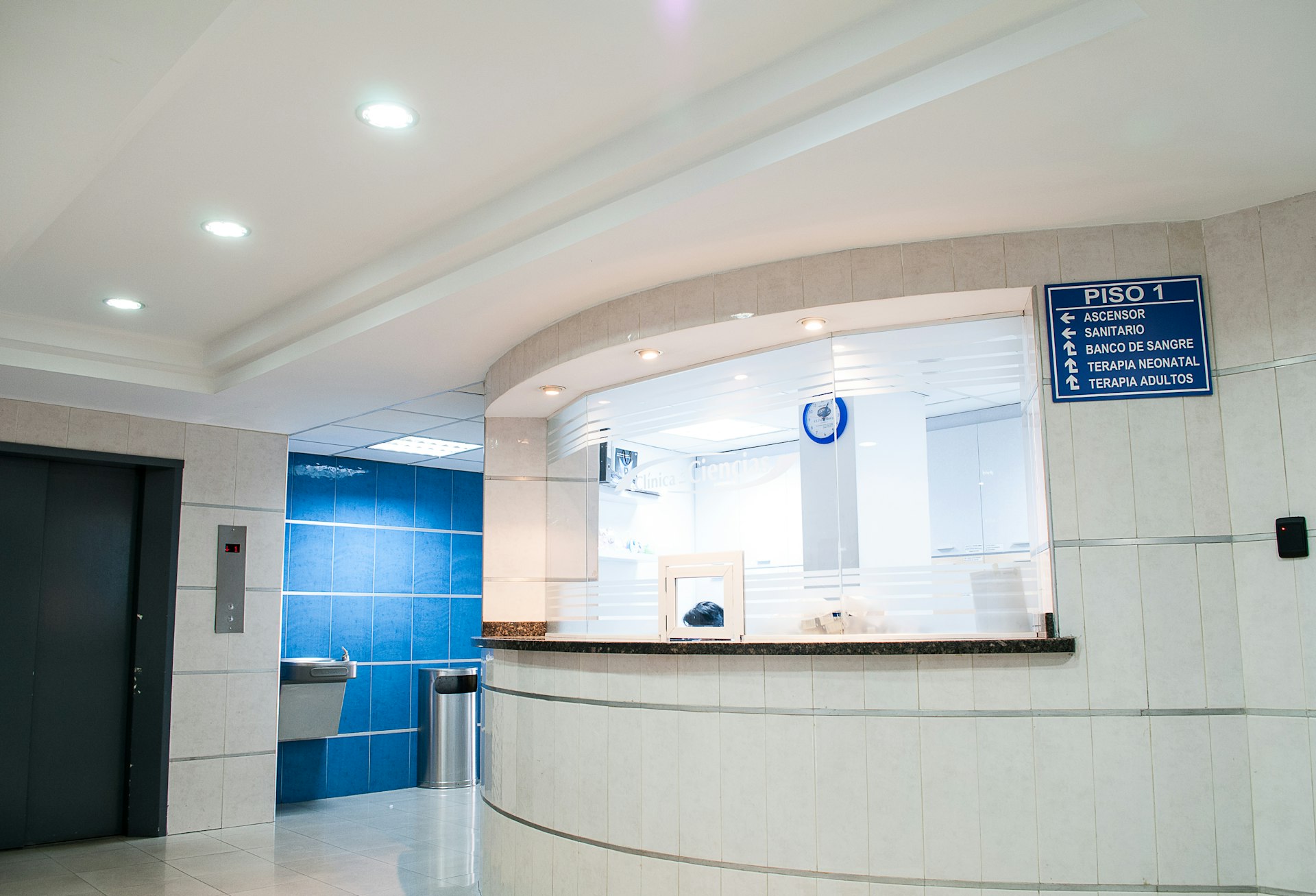
A concierge desk, a coffee shop near the entrance, and a lobby that looked more like a hotel than anything clinical — walking into Bumrungrad for the first time, I genuinely wondered whether I had the right building. That disorientation captures something essential about healthcare in Thailand. The system is genuinely world-class at the top end, but it operates on different assumptions about what medical care should feel like, blending hospitality culture with medical precision in ways that feel unfamiliar to anyone raised on the sterile efficiency of Western hospitals.
Understanding those differences matters more than comparing price lists. Thailand's healthcare landscape spans everything from village clinics with limited equipment to internationally accredited hospitals that attract patients from across the globe. For expats, the practical challenge isn't finding good care—it's knowing which tier you're accessing, what insurance actually covers, and how to navigate a system that can feel disarmingly easy until something serious happens and the details suddenly matter.
Understanding Thailand's Healthcare System
Thailand operates a tiered healthcare system that ranges from basic government hospitals to world-renowned private facilities. The gap between tiers is significant—more like different countries than different hospitals.
Public hospitals provide care to Thai citizens and are technically available to foreigners at low cost. However, they're overcrowded, have long wait times, and rarely have English-speaking staff. Most expats avoid them except for emergencies in areas without private options. The care quality is decent, but the experience is challenging without Thai language ability.
Private hospitals are where most expats receive care. Thailand's private hospital sector is highly developed, with facilities ranging from small clinics to massive medical complexes. Prices are significantly higher than public hospitals but remain affordable by Western standards. Quality varies, so researching specific hospitals matters.
International hospitals like Bumrungrad, Bangkok Hospital, and Samitivej specifically cater to international patients. These facilities feature hotel-like amenities, multilingual staff, and doctors trained at prestigious Western medical schools. Many are JCI accredited (the gold standard for international healthcare quality). You'll pay more than at local private hospitals, but the experience resembles premium Western healthcare.
The pharmacy culture in Thailand resembles Latin American patterns. Pharmacists function as primary care for minor ailments, recommending and dispensing medications that would require doctor visits elsewhere. This accessibility is convenient for routine issues but requires personal responsibility for appropriate use.
Independent clinics handle routine care, dental work, and specialist consultations. Quality varies, but reputable clinics offer excellent care at lower prices than hospitals. Finding good clinics through expat recommendations is common practice.
Best Hospitals for Expats in Thailand
Knowing where to go for different needs is crucial for expats. The wrong choice can mean poor communication, long waits, or suboptimal care.
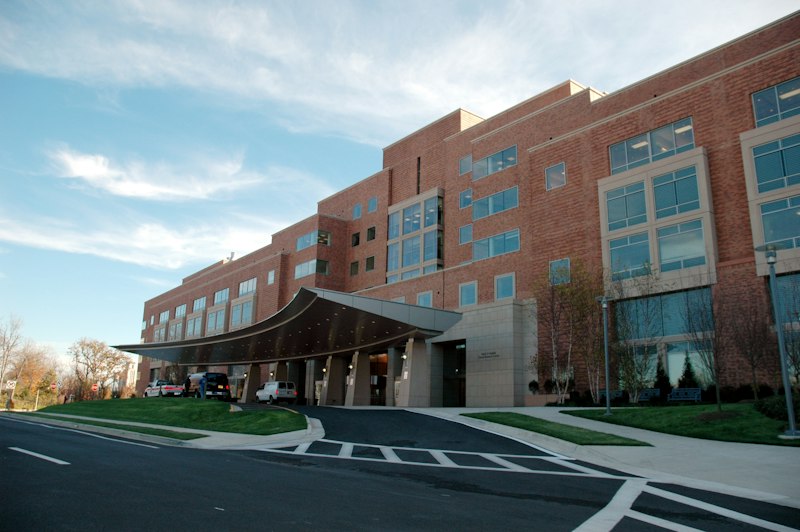
Bumrungrad International in Bangkok is perhaps Southeast Asia's most famous hospital. It sees over 1.1 million patients annually, including 520,000+ international patients from 190 countries. It's essentially a medical city with 580 beds, 1,400+ physicians, and every specialty imaginable. Expect premium prices but exceptional care. The staff speaks your language almost certainly—interpreters cover 30+ languages.
Bangkok Hospital Group is Thailand's largest hospital network, operating facilities across the country. Their flagship Bangkok Hospital and BNH Hospital offer comprehensive care. They're slightly less expensive than Bumrungrad while maintaining excellent standards. Their network means consistent quality across locations—from Bangkok to Phuket to Chiang Mai.
Samitivej Hospitals are known for outstanding pediatric and women's health services. Their Sukhumvit branch is popular with expat families—the pediatric emergency room knows how to handle anxious foreign parents. Samitivej Srinakarin is excellent for those living in eastern Bangkok.
Land Well takes this further than an article usefully can — 70 pages built around one question: how will daily life actually work there? See what it covers.
Best Hospitals for Expats in Thailand (Continued)
In Chiang Mai, Bangkok Hospital Chiang Mai and Chiang Mai Ram are the top choices. Neither quite matches Bangkok's international hospitals, but both handle most needs competently with English-speaking staff. For complex procedures, many Chiang Mai expats travel to Bangkok—a short flight that's worth it for serious conditions.
In Phuket, Bangkok Hospital Phuket handles most expat healthcare needs on the island. For serious conditions, Bangkok is a short flight away. During peak tourist season, the hospital can be busy with medical tourism and emergencies.
Healthcare quality drops significantly in rural areas. If you're living outside major cities, factor in travel time to quality facilities when planning your healthcare strategy. Serious conditions in rural Thailand often mean evacuation to Bangkok or Chiang Mai.
Health Insurance Options for Expats
Securing proper health insurance is one of the most important decisions expats face in Thailand. Going without is possible given low costs, but one serious condition can devastate finances.
International health insurance from companies like Cigna, Allianz, and AXA offers comprehensive global coverage. Expect to pay $2,000-5,000 annually for good coverage, more if you're over 50 or want US coverage included. These policies typically cover hospitalization, outpatient care, emergency evacuation, and sometimes dental and vision. The peace of mind is worth it for those who can afford it.
Thai local insurance from companies like Pacific Cross, AIA, and Bupa Thailand offers local policies at lower premiums ($300-1,500 annually). Coverage limits are lower, and policies may exclude pre-existing conditions more strictly. Still, they're adequate for healthy individuals who primarily need coverage for accidents and unexpected illnesses.
Age cutoffs create real challenges. Many insurers won't issue new policies to those over 65-70, and premiums increase dramatically with age. Those over 50 find Thai insurance increasingly difficult to obtain—application rejections rise, and pre-existing condition exclusions become more aggressive. Planning insurance before you reach these thresholds is wise.
Hospital membership programs from major hospitals offer annual packages including checkups, outpatient visits, and hospitalization discounts. These work well as supplements to insurance or for those who prefer paying out-of-pocket for routine care while maintaining catastrophic coverage.
Self-insurance makes sense for some profiles. Given Thailand's low costs, healthy expats with savings sometimes choose high-deductible catastrophic coverage while paying out-of-pocket for routine care. A $10,000 deductible policy costs significantly less while protecting against major expenses. The math works if you're healthy and disciplined about savings.

What Medical Care Actually Costs
Understanding typical costs helps you budget and choose appropriate insurance coverage. The savings compared to Western countries are genuine.
Routine care costs include GP consultations at $20-40 at clinics or $40-70 at international hospitals, specialist consultations at $40-100, basic blood panels at $30-60, and annual health checkup packages at $150-500. Price shopping is expected and effective—international hospitals cost 50-100% more than local private hospitals for equivalent care.
Dental care makes Thailand a dental tourism destination for good reason. Cleaning and checkup costs $25-50, fillings run $30-60, root canals are $150-300, crowns cost $200-400, and dental implants are $1,000-2,000. Quality is excellent at a fraction of Western prices. Many expats time major dental work for Thailand visits.
Common procedures include X-rays at $20-50, MRI at $200-400, colonoscopy at $400-800, minor surgery at $500-2,000, and appendectomy at $2,000-4,000. These costs assume private hospitals; public hospitals are significantly cheaper.
Major medical procedures show the biggest savings. Cardiac bypass costs $15,000-30,000 (vs. $100,000+ in US), hip replacement runs $10,000-20,000, and cancer treatment typically costs 30-50% of US prices. These savings drive medical tourism and make Thailand attractive for retirees concerned about healthcare costs.
Emergency room visits range from $100-500 for minor issues to potentially thousands for major trauma. This is still far cheaper than equivalent US costs, but the out-of-pocket hit matters if you're uninsured. Insurance is most valuable for emergencies, where bills accumulate quickly.
Negotiation is acceptable for non-emergency care. Asking for itemized quotes, comparing hospital pricing, and requesting package deals for procedures is normal. Cash payment sometimes unlocks discounts.

Pharmacies and Medications
Thailand's pharmacy system offers significant advantages for expats accustomed to expensive prescription medications and gatekeeping.
Many medications requiring prescriptions in Western countries are available over-the-counter in Thailand. Pharmacists can recommend and dispense antibiotics, blood pressure medications, and many other drugs without a doctor's visit. This is convenient but requires personal responsibility for proper usage. Self-treating serious conditions is unwise, but managing known conditions with established medications becomes much simpler.
Pharmacy chains like Boots, Watsons, and local pharmacies are everywhere in urban areas. Staff at major chains often speak reasonable English. Prices are posted, making comparison shopping easy. Boots and Watsons carry familiar international brands; local pharmacies often stock Thai alternatives at lower prices.
Thai pharmacies stock quality generic alternatives at a fraction of brand-name prices. Ask pharmacists about alternatives to expensive medications—they're knowledgeable and usually happy to recommend options. The same active ingredient in Thai-manufactured generics costs a fraction of imported brands.
Stricter regulations apply to controlled substances. Sedatives, strong painkillers, and psychiatric medications require prescriptions from Thai doctors. Some ADHD medications common in the West are controlled or unavailable in Thailand. Plan ahead if you rely on controlled substances.
You can bring a 30-day supply of most medications for personal use when entering Thailand. For longer supplies or controlled substances, carry documentation from your home doctor. Technically, some medications require FDA import permits, though this is rarely enforced for personal quantities.
Stick to established pharmacy chains for important medications. Counterfeit drugs exist, particularly for expensive imported medications sold at significant discounts. If a price seems too good, it might be.
Emergency Services and Care
Understanding emergency protocols can be critical when you're panicking at 2am. Having this information ready before you need it makes the worst moments less chaotic.
Emergency numbers include 191 for general emergency, 1155 for Tourist Police, and 1669 for medical emergency (Thai Red Cross ambulance). Save these in your phone now, before you need them. Many private hospitals have their own ambulance numbers—save your preferred hospital's emergency line.
Thailand's ambulance system is improving but remains inconsistent. Response times vary greatly depending on location and traffic. Many expats use Grab or taxis for non-life-threatening emergencies, as it's often faster than waiting for ambulances. For serious emergencies, private hospital ambulances offer better-equipped response.
Private hospital emergency rooms are well-equipped and staffed 24/7 with English-speaking personnel. Expect to pay upfront or show insurance cards immediately—hospitals verify coverage before providing non-emergency care. For accidents, hospitals may request police reports before certain treatments.
Thailand's roads are dangerous—one of the highest traffic fatality rates globally. Motorcycle accidents are a leading cause of expat medical emergencies. Comprehensive insurance with evacuation coverage is particularly important given this reality. If you ride motorcycles, understand this risk honestly.
For life-threatening conditions where local care is insufficient, evacuation to Singapore or Bangkok (from other Thai cities) may be necessary. Insurance policies with evacuation benefits typically coordinate these transfers. Without evacuation coverage, the cost can reach tens of thousands of dollars.
Practical preparation matters. Keep a card with your blood type, allergies, medications, and emergency contact in Thai and English. Know your nearest quality hospital before emergencies happen. Have insurance details easily accessible on your phone. Consider medical alert bracelets for chronic conditions. These preparations seem paranoid until you need them.

Setting Up Your Healthcare in Thailand
Establishing your healthcare foundation in Thailand is straightforward with proper planning. The system rewards those who prepare.
First steps upon arrival: secure health insurance before arrival or within your first week. Identify your primary hospital and register as a patient—having a medical record on file speeds emergency care. Complete a baseline health checkup (excellent value in Thailand) to establish references for future comparison. Transfer medical records from your home country for any chronic conditions. Locate the nearest pharmacy and emergency facilities.
Building your medical team: find a GP for routine care at a local clinic or hospital outpatient. Identify specialists for any ongoing conditions. Establish a dentist (regular cleanings are affordable and worthwhile). Consider a Thai-speaking friend who can assist in medical situations if your Thai is limited.
For managing chronic conditions: bring documentation of your conditions and current medications. Work with Thai doctors to source local equivalents of your medications—they're often much cheaper. Establish monitoring schedules as recommended by your specialists. Consider medical tourism packages for procedures you've been postponing due to cost.
Annual healthcare budget for a healthy adult: insurance at $1,500-4,000, annual checkup at $200-400, routine care and medications at $300-600, dental (2 cleanings plus minor work) at $100-200, and an unexpected care buffer of $500-1,000. Total: roughly $2,500-6,000 annually for comprehensive healthcare.
Thailand's healthcare system represents one of the country's greatest advantages for expats. With quality care at affordable prices and world-class facilities for serious conditions, your health is in good hands—provided you take time to understand the system and secure appropriate coverage before you need it.
Written by
Carl S Moller
Founder & Editor, Expat Blueprint
Carl S Moller is the founder and sole editor of Expat Blueprint. He researches and writes every guide himself, working from immigration ministries, tax authorities, national statistics and recent first-hand reporting rather than claiming to have lived in all sixteen countries covered.
Keep the thread going
One reflective note every few weeks, and 20% off anything in the workbook shop the moment you sign up. The code is valid through 31 August 2026.
Unsubscribe any time. We never share your address. The 20% code is valid through 31 August 2026.