
Cost of Living in Thailand: The Complete 2026 Expat Budget Guide
Thailand costs in 2026: real rents in Bangkok and Chiang Mai, electricity with aircon, BTS passes, visa thresholds and the remittance tax rule still in force.
13 min read
The first year I kept converting everything to dollars. Every som tam, every taxi, every electricity bill ran through the mental calculator. Then I stopped, and something shifted—I started thinking in baht, and Thailand finally made sense financially.
Quick Takeaways
- •A comfortable single in Bangkok now runs about 52,000-65,000 baht a month, roughly $1,500-1,850
- •Chiang Mai and Phuket rents rose through 2025; Bangkok's older stock softened while prime Sukhumvit held
- •The baht was one of Asia's strongest currencies in 2025, quietly eroding the old dollar arbitrage
- •The DTV remains a five-year option at $400 with a 500,000 baht funds requirement, now e-Visa only
- •The 2024 remittance rule still applies: foreign income taxed when brought in, whatever year it was earned
- •Air conditioning can push a one-bed condo's electricity past 4,500 baht in hot season
Thailand's reputation as a budget paradise has drawn expats for decades, but the reality in 2026 is more nuanced than the old '$1,000 a month' stories suggest. While Thailand remains remarkably affordable compared to Western countries, understanding the real costs—from Bangkok's premium rentals to Chiang Mai's tightened rental market—is essential for planning your move. The numbers you see online often reflect lifestyles that look nothing like the one you're imagining, and the gap between comfortable and just getting by is wider than most budgets acknowledge.
Two shifts define this year. The baht spent 2025 as one of Asia's strongest performers and carried that strength into 2026, which means Thailand costs more in dollars and euros even where the baht price has not moved at all. And the 2024 rule taxing foreign income on remittance, regardless of the year it was earned, is still the law despite a widely discussed draft decree that would soften it. That decree has not appeared in the Royal Gazette. Plan around the stricter rule.
What I've learned after years here is that Thailand accommodates almost any budget, but the quality of life at each level varies enormously. The $1,000 expat and the $4,000 expat live in different Thailands—both valid, but different enough that setting accurate expectations matters more than the headline numbers suggest. The biggest surprises tend to come not from rent or food, but from the small recurring costs—visa fees, imported groceries, air conditioning during hot season—that quietly reshape your monthly spending.
Housing Costs Across Thailand
The listings looked perfect online. Then I learned about 'key money' and the deposit games, and realized finding housing in Thailand requires more local knowledge than property websites suggest.
In Bangkok, the capital commands premium prices, though the market has quietly split in two. A furnished one-bedroom near the BTS in prime Sukhumvit runs roughly 25,000-60,000 baht, with the median near Asok sitting closer to 22,500 for something ordinary. Ari and Phaya Thai come in around 18,000-38,000, while On Nut, Rama 9 and Ratchada offer 13,000-28,000. What has changed is landlord flexibility: an oversupply of older buildings means there is room to negotiate outside the prime blocks, even as prime Sukhumvit itself has not budged. The building's age matters enormously for comfort—condos built before 2010 often have outdated air conditioning, thin walls that transmit every neighbour's conversation, and inefficient layouts that drive up electricity costs.
Chiang Mai is no longer the automatic bargain it was. The rental market tightened noticeably from 2023 onward, and a decent one-bedroom condo now runs roughly 8,000-20,000 baht depending on area and age. It remains excellent value against Bangkok, but the days of walking in and picking from a dozen empty units in Nimman are gone. What you sacrifice in urban energy you still gain in space and mountain views.
Beach destinations have moved the furthest. Phuket condo rents shifted upward into 2026 on strong tourism and expat demand, and a one-bedroom now sits somewhere between 15,000 and 35,000 baht or more depending on whether you are in Patong and Kata or inland. Koh Samui is generally cheaper for a comparable condo, though the island is dominated by villas and the beachfront ones price like resorts. Hua Hin and Pattaya remain the value plays.
For utilities, the number that surprises people is electricity. Condos bill either at the MEA government rate of roughly 3.5-4.2 baht a unit or at a marked-up building resale rate, and a one-bedroom running air conditioning regularly lands between 2,500 and 5,000 baht a month. Renters expecting a thousand and receiving four and a half thousand is a common story, and the resale-rate question is worth asking before you sign rather than after. Home fibre runs 500-700 baht and a mobile plan 300-600. The deposit culture requires upfront cash—typically two months' rent plus the first month, returned only if you leave the unit pristine. Document everything with photos on move-in day.

Food and Dining: From Street Stalls to Fine Dining
The first som tam I ordered came with a level of spice that taught me Thai food vocabulary faster than any textbook. 'Mai phet' became my most-used phrase, followed quickly by 'phet nit noy'—just a little spicy—as my tolerance gradually built.
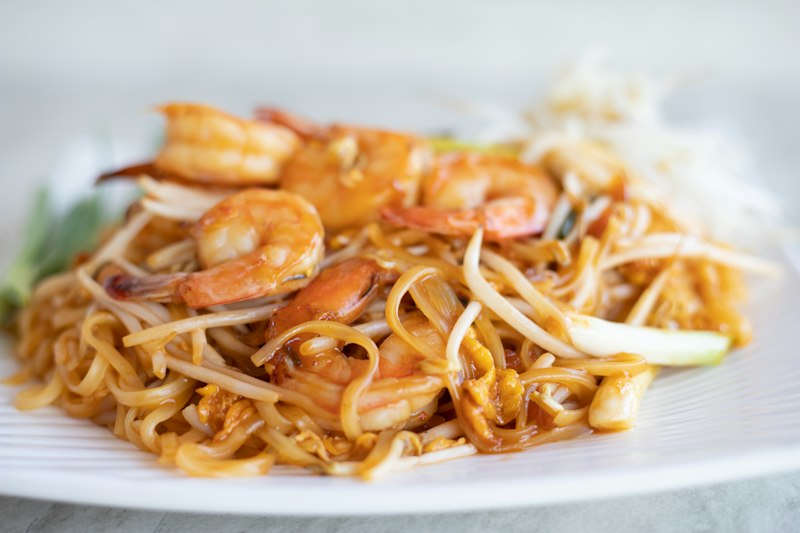
Thailand's food scene is legendary, and it remains one of the best values for expats who embrace local cuisine. Street food and local restaurants are where Thailand shines. Pad Thai, som tam, and rice dishes cost 40-80 baht ($1.20-2.50). A filling meal with a drink rarely exceeds $3. Night markets offer variety and value—you can easily eat well for $150-200/month cooking minimally and eating locally. Regional differences matter: Bangkok prices run 10-15% higher than Chiang Mai, and southern food tends toward sweeter and richer flavors while Isaan food brings the fire.
Western food and restaurants are where budgets diverge. A burger and beer at an expat pub runs $10-15. Brunch spots charge $8-15 for eggs and coffee. If you rely on Western food, expect food costs to triple. I've watched expats arrive determined to maintain their home diet, watch their food budget explode, then gradually surrender to Thai cuisine out of financial necessity—and discover they prefer it anyway.
For groceries and cooking, supermarkets like Tops, Big C, and Makro stock both local and imported goods. Local ingredients are cheap, but imported cheese, wine, and specialty items cost more than back home. A mixed shopping basket runs $200-400/month depending on preferences. The Makro wholesale club particularly rewards those willing to buy in bulk.
Thailand has embraced specialty coffee culture. Expect $3-5 for lattes at trendy cafes, though local coffee shops charge $1-2. Chiang Mai's coffee scene rivals any Western city, and the beans are often locally grown in the northern hills—one of Thailand's genuinely underrated exports.
If this is the part you keep circling back to, Find Your Place is the workbook we built around exactly that question — where fits my life? See how it works.
Getting Around: Transportation Costs
My first month in Bangkok, I tried to use taxis like I would in any other city. Then I discovered the BTS, and suddenly the city made sense—or at least, the parts of the city near the train lines did.
Transportation in Thailand is affordable, especially if you're willing to use local options. In Bangkok, the BTS Skytrain and MRT subway are clean, efficient and distance-priced at roughly 17-62 baht a trip. Monthly trip packages came back in September 2025 after years of absence and have continued into 2026, which finally gives regular commuters a discount on bulk travel; a typical commuter spends somewhere around 1,000-1,500 baht a month. The much-discussed flat twenty-baht fare policy is still unresolved, and has been for long enough that I would not budget around it. Taxis start near 35 baht and rarely exceed a couple of hundred for cross-city trips, and Grab offers transparent pricing that eliminates the occasional meter 'malfunction'. Many expats skip car ownership entirely—a wise choice given traffic that can turn ten kilometres into an hour.
In Chiang Mai and other cities without rail systems, motorbikes rule. Renting costs $80-150/month; buying a used scooter runs $500-1,500. Songthaews (red trucks) cost $0.50-1 for local trips. Grab is available but less ubiquitous than in Bangkok, and mastering the songthaew routes takes time but saves significant money.
For inter-city travel, Thailand's bus network is extensive and cheap. Bangkok to Chiang Mai runs $15-30 depending on class. Budget airlines (AirAsia, Nok Air, Thai Lion) offer frequent sales—domestic flights often cost $30-60 booked in advance. The train to Chiang Mai is a beloved experience but takes 12+ hours; worth doing once for the journey, then you'll probably fly.
Owning a vehicle means monthly payments of roughly 10,000-18,000 baht for a new sedan and insurance of 15,000-28,000 a year. Fuel has been broadly stable: Gasohol 95 around 36-37 baht a litre and E20 closer to 32, with small weekly adjustments in both directions. Parking in Bangkok is expensive and driving stressful, so most expats in the capital avoid car ownership. Outside Bangkok a car becomes more practical, especially for families or anyone in the beach areas where public transport barely exists.
Healthcare: Quality Care at Fraction of Western Prices
Thailand's healthcare system is a major draw for expats, offering world-class care at affordable prices. I've watched friends from the US postpone minor surgeries for years, fly to Bangkok, get them done at Bumrungrad, and return home having spent less than their insurance deductible would have cost.
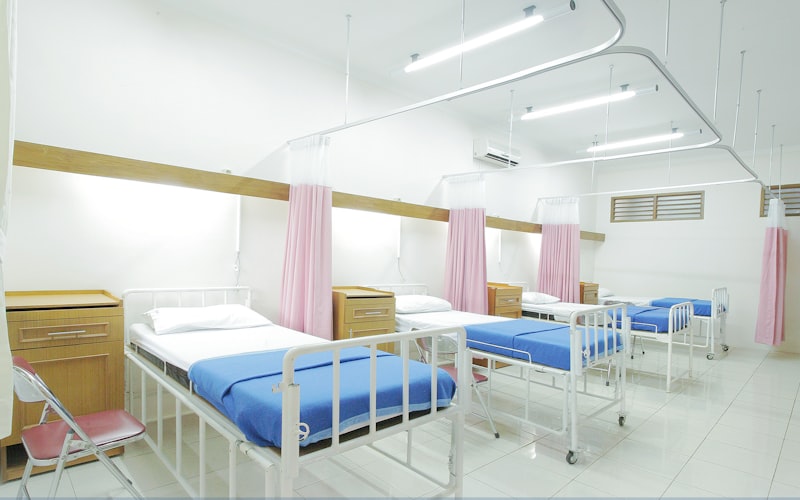
Private hospital visits at a premium hospital like Bumrungrad or Bangkok Hospital cost $30-60. The same visit at a quality local private hospital runs $15-25. Compare this to $150-300 for similar care in the US. Pharmacies add another layer of value—many medications requiring expensive prescriptions elsewhere are available over-the-counter for a few dollars.
Health insurance with international coverage runs $1,500-4,000 annually depending on age and coverage level, with the market average for a full international plan sitting closer to $4,700 once you are past middle age. Local Thai insurance is cheaper at $300-800 a year but may have limitations on international hospital coverage and lifetime caps. Many expats over 50 find Thai insurance increasingly difficult to obtain—rejections rise with age and pre-existing condition exclusions become more aggressive. If you are on an O-A retirement visa the policy is not optional: it must cover at least 400,000 baht of inpatient and 40,000 baht of outpatient treatment, and the O-X demands three million baht of cover. Several insurers now sell plans marketed purely as visa-compliant, which tells you how mechanical that requirement has become.
Dental care makes Thailand a dental tourism destination for good reason. A cleaning costs $25-40, fillings $30-60, and a crown $200-400. Quality is excellent at a fraction of Western prices. Many expats time their annual dental work for trips home to Thailand, combining family visits with significant healthcare savings.
Many prescription medications available only by prescription elsewhere are sold over-the-counter in Thailand at very low prices. A month of common medications might cost $5-20. The pharmacy culture here is different—pharmacists often serve as primary care for minor ailments, recommending and dispensing medications that would require doctor visits elsewhere.
Emergency care is where insurance becomes critical. Emergency room visits at international hospitals can quickly reach $500-2,000 without coverage. This is still far cheaper than equivalent US costs, but the out-of-pocket hit matters if you're on a tight budget.

Building Your Thailand Budget
The reality is that Thailand can accommodate almost any budget, but expectations matter more than numbers.
A frugal single in Chiang Mai lands around 25,000-30,000 baht a month in 2026, roughly seven to eight hundred and fifty dollars: a modest condo at ten to fourteen thousand, food at six to eight, utilities, a scooter and a little left over. It requires local housing and mostly Thai food. In Bangkok or the islands the same discipline buys considerably less.
A comfortable single in Bangkok, somewhere Sukhumvit-adjacent rather than in the prime blocks, now works out to roughly 52,000-65,000 baht — about $1,500-1,850. Rent takes 25,000-35,000, food twelve to fifteen, utilities and connectivity around 3,500, transport 1,500, and the rest goes to insurance and a social life. A couple in a mid-range condo comes out at 65,000-80,000 between them.
A retiree on an O-A in a modest condo lands near 40,000-55,000 baht, with private insurance being the line that grows fastest with age. A family with one child in a mid-tier international school is looking at 130,000-195,000 baht all in, which is to say $3,700-5,600 — the tuition, not the lifestyle, is doing most of that work.
What I've learned: spend a month testing your lifestyle before committing to housing. Factor visa costs into your annual budget—they're more significant than newcomers expect. Don't underestimate air conditioning costs in hot season. Budget for periodic trips home or to neighboring countries; wanderlust is real here. Set aside funds for medical emergencies beyond insurance; Thailand's costs are low, but zero-buffer living is always risky.
Thailand remains excellent value, but the days of living like a king on a shoestring are largely over. Come with realistic expectations and you'll find an incredible quality of life at a fraction of Western costs. Come expecting the outdated $500/month stories, and you'll either be disappointed or live uncomfortably.
Written by
Carl S Moller
Founder & Editor, Expat Blueprint
Carl S Moller is the founder and sole editor of Expat Blueprint. He researches and writes every guide himself, working from immigration ministries, tax authorities, national statistics and recent first-hand reporting rather than claiming to have lived in all sixteen countries covered.
Keep the thread going
One reflective note every few weeks, and 20% off anything in the workbook shop the moment you sign up. The code is valid through 31 August 2026.
Unsubscribe any time. We never share your address. The 20% code is valid through 31 August 2026.