
Thailand's Expat Cities: Bangkok, Chiang Mai, and the Islands
Bangkok, Chiang Mai, or Phuket? Each Thai city offers a different version of expat life — cost, culture, climate, and community compared side by side.
9 min read
Thailand offers remarkably diverse expat experiences—from Bangkok's urban intensity to Chiang Mai's mountain-ringed tranquility to Phuket's beach lifestyle. After three years in Chiang Mai and two in Bangkok, I've learned the right choice depends on your priorities: career, cost, community, climate, or the pace of life that suits you best.
Quick Takeaways
- •Bangkok: Best for career-minded expats, urban lifestyle lovers, and those wanting full amenities
- •Chiang Mai: Top choice for digital nomads, budget-conscious expats, and those seeking community
- •Phuket: Ideal for beach lifestyle seekers, though increasingly expensive
- •Hua Hin: Popular with retirees seeking a quieter beach town close to Bangkok
- •Pattaya: Affordable coastal living with improving infrastructure and reputation
- •Each location has distinct visa, climate, and healthcare considerations
Choosing where to live in Thailand is less about finding the best city and more about understanding what kind of daily life you want. Bangkok delivers everything a capital should but demands tolerance for heat, traffic, and relentless stimulation. Chiang Mai offers community and calm at a fraction of the cost, though its burning season and limited career options test long-term commitment. The islands promise beach life but vary enormously in infrastructure and livability beyond the holiday brochure version.
After years of living in Thailand and watching friends settle across the country, the pattern is clear: people who choose based on lifestyle priorities stay longer and report deeper satisfaction than those who chase the lowest rent or the prettiest Instagram backdrop. What follows is an honest city-by-city assessment drawn from lived experience rather than tourism marketing.
Bangkok: The Metropolis That Has Everything
Bangkok is Thailand's undisputed center—for business, healthcare, entertainment, and sheer urban energy. It's not for everyone, but those who embrace it often never want to leave. The city rewards engagement and punishes passivity.
Expats choose Bangkok for career opportunities—it's the only Thai city with significant multinational presence and English-speaking professional jobs. World-class healthcare means the best hospitals in Southeast Asia are minutes away. Excellent transportation via BTS, MRT, and extensive Grab coverage makes car-free living easy. The dining scene spans street food to Michelin stars, rooftop bars to underground clubs. Unmatched convenience means everything is available—international products, services, English-speaking professionals.
The challenges are real. Traffic is legendary and pollution is health-affecting during certain months. The heat from March to May is brutal with less respite than coastal areas. Costs are Thailand's highest. The intensity leads to burnout for some.
Seasonal dynamics matter. The best time to arrive is October-February during cool season. Hot season (March-May) tests newcomers. Rainy season (June-October) brings afternoon downpours but temperatures moderate. Long-term residents learn to travel during hot season rather than endure it.
Best neighborhoods for expats: Sukhumvit from Asoke to Ekkamai is the expat corridor with endless restaurants, bars, and services—convenient but can feel like you're not really in Thailand. Silom and Sathorn offer the business district with more Thai character and excellent food scene. Thonglor is trendy and upscale, popular with Japanese expats and young professionals. Ari has a hip, local feel with great coffee shops and increasing popularity—many predict it's the next Thonglor.
Budget $2,000-3,500/month for a comfortable lifestyle in decent areas. Central condos start at $800/month; add $400-800 for food, transport, and entertainment. Living well in Bangkok isn't cheap, but it's dramatically cheaper than equivalent quality in Western capitals.

Chiang Mai: Digital Nomad Capital and Cultural Heart
Chiang Mai has evolved from backpacker haven to legitimate expat destination, particularly for remote workers and those seeking a balanced lifestyle at lower costs. The city punches above its weight in community, culture, and quality of life.
Expats choose Chiang Mai for affordability—quality lifestyle at 40-50% less than Bangkok. Digital nomad infrastructure means coworking spaces, fast internet, and nomad-friendly cafes everywhere. The tight-knit community makes building friendships easier than in Bangkok's anonymity. Nature access puts mountains, national parks, and waterfalls at day-trip distance. Cultural richness includes temples, night markets, traditional arts, and a slower pace that rewards presence.
The challenges include burning season from February to April when air quality becomes seriously unhealthy. Limited nightlife and entertainment compared to Bangkok. Almost nonexistent local career opportunities. Healthcare that doesn't match Bangkok's level for serious conditions. Some find it too quiet after the initial honeymoon period.
After three years in Chiang Mai, what I've learned: the city rewards depth over breadth. It's not about accumulating experiences but about building relationships, routines, and a sense of home. Those who thrive are those who put down roots—learning Thai, joining communities, becoming regulars.
Best areas for expats: Nimman is the hub with cafes, coworking, restaurants, and walkable lifestyle—most newcomers start here. Old City offers temples, character, and budget-friendly options but limited modern amenities. Santitham is quieter and more residential with easy Nimman access. Chang Phueak has local vibe, great food scene, and affordable prices.
$1,200-2,000/month covers a comfortable lifestyle. Condos run $300-600; add $200-400 for food and $100-200 for entertainment. Many nomads manage on $1,500 very comfortably. The value proposition is genuine.

Deciding where to live is slow work, and most of the useful thinking happens away from the screen — walking, cooking, on a train. Audible's 30-day free trial — suits that stage: a few books about places you're considering, listened to before you commit to anything.
Affiliate disclosure: the Audible link above is an affiliate link. If you start a trial through it, Expat Blueprint may earn a small commission at no extra cost to you. It never changes what we recommend. Read the full disclosure.
If this is the part you keep circling back to, Find Your Place is the workbook we built around exactly that question — where fits my life? See how it works.
Phuket: Island Life with Serious Infrastructure
Phuket offers Thailand's best combination of beach lifestyle and urban amenities—international schools, quality hospitals, proper infrastructure—but at prices that have crept steadily higher as the island developed.
Expats choose Phuket for beach lifestyle with multiple world-class beaches within driving distance. The established international community provides good social scene. Solid amenities include international schools, Bangkok Hospital Phuket, and modern malls. The island serves as a base for accessing surrounding islands and the Andaman coast. Year-round swimming unlike the Gulf coast where beaches face different monsoon timing.
The challenges include expenses that run high by Thai standards, especially near beaches. Severe traffic during high season creates frustration. Heavy monsoon rains from May to October limit beach time. The tourism-focused economy can feel superficial and seasonal. Distance from Bangkok matters for serious medical needs or business.
Off-season versus high-season living is a real consideration. May to October is quieter, cheaper, and wetter. November to April brings crowds, higher prices, and perfect weather. Long-term residents often appreciate the rhythm—intense season followed by quiet recovery.
Best areas for expats: Chalong and Rawai at the southern tip are popular with families offering good value. Kata and Karon provide beach access without Patong chaos at mid-range pricing. Laguna and Bang Tao are upscale, family-friendly, and resort-adjacent. Phuket Town offers urban character, authentic Thai life, and lower costs than beach areas.
$2,000-3,500/month covers comfortable living. Rental costs vary dramatically—$400/month for inland condos to $2,000+ for beachfront villas. Everything costs more here than the mainland.

Retirement Favorites: Hua Hin, Pattaya, and Beyond
Thailand has long attracted retirees with its affordable cost of living, quality healthcare, and welcoming culture. Several destinations cater specifically to this demographic with established communities and services.
Hua Hin is the royal family's beach retreat, attracting a mature, sophisticated crowd. Just 3 hours from Bangkok, it offers beach life without island isolation. Excellent golf courses draw enthusiasts. Quality hospitals and healthcare serve the retiree population. Refined dining and arts scene exceed what you'd expect. Beach quality is modest compared to southern islands, but there's strong Thai character with less tourist chaos. Cost: $1,500-2,500/month for comfortable living.
Pattaya was long notorious for its nightlife but has genuinely diversified. The northern areas and surrounding communities offer legitimate family and retirement living. It's the most affordable coastal option near Bangkok (90 minutes away). Extensive expat services and communities are well-established. Good hospitals and international schools exist. Beaches are improving but still not pristine. Strong value for money on housing. Cost: $1,200-2,000/month.
Koh Samui offers beach living with some infrastructure, though less developed than Phuket. More authentic island feel than Phuket. Growing expat community. Healthcare is limited—serious cases go to Bangkok. Monsoon patterns differ from Andaman coast, wettest in November. Cost: $1,800-2,800/month.
Chiang Rai appeals to those who find Chiang Mai too developed. Cooler climate, stunning scenery, and genuine quiet at very low costs. Limited expat infrastructure but growing slowly.
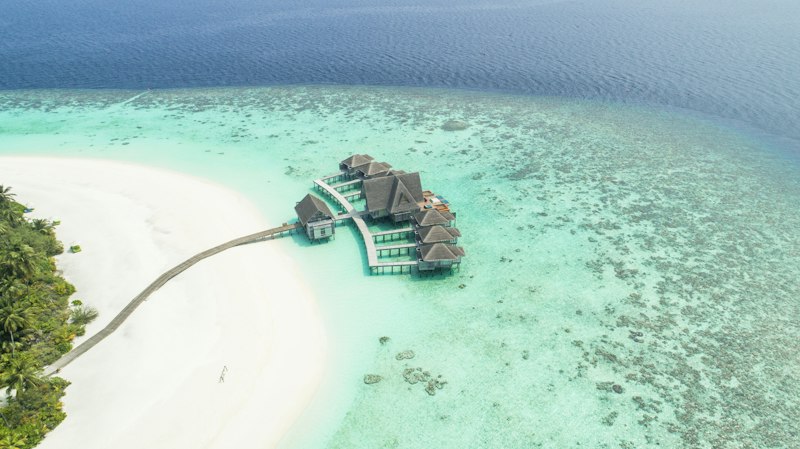

Choosing Your Thai Home Base
Selecting the right Thai city isn't just about ticking boxes—it's about understanding your own priorities and how you want to live. The honest answer is that you probably won't know until you try.
Choose Bangkok if career matters, you thrive on urban energy, want maximum convenience and healthcare access, or can't decide and want to experience Thailand's full spectrum. Choose Chiang Mai if you work remotely, value community, prefer lower costs, and can handle leaving during burning season—it's also ideal for creative types and those seeking cultural depth. Choose Phuket if beach access is non-negotiable, you have children needing international schooling, or you want island life with real infrastructure. Choose Hua Hin or Pattaya if you're retired, want beach access near Bangkok, value golf and established expat services, and prefer a calmer pace.
The smart strategy: Start in Bangkok or Chiang Mai—both are easy to settle into and offer good bases for exploring. Rent month-to-month initially while visiting other cities on weekends. Experience the seasons—don't commit until you've felt hot season and monsoon. Consider visa practicalities since Bangkok offers more services while smaller cities may require more travel for renewals. Trust your instincts—some cities just feel right.
Thailand is small enough that your first choice doesn't lock you in. Many expats move between cities as their lives evolve—arriving as nomads in Chiang Mai, building careers in Bangkok, retiring to beaches. The country accommodates these transitions. Your task is starting somewhere reasonable and staying open to what you learn.
Written by
Carl S Moller
Founder & Editor, Expat Blueprint
Carl S Moller is the founder and sole editor of Expat Blueprint. He researches and writes every guide himself, working from immigration ministries, tax authorities, national statistics and recent first-hand reporting rather than claiming to have lived in all sixteen countries covered.
Keep the thread going
One reflective note every few weeks, and 20% off anything in the workbook shop the moment you sign up. The code is valid through 31 August 2026.
Unsubscribe any time. We never share your address. The 20% code is valid through 31 August 2026.