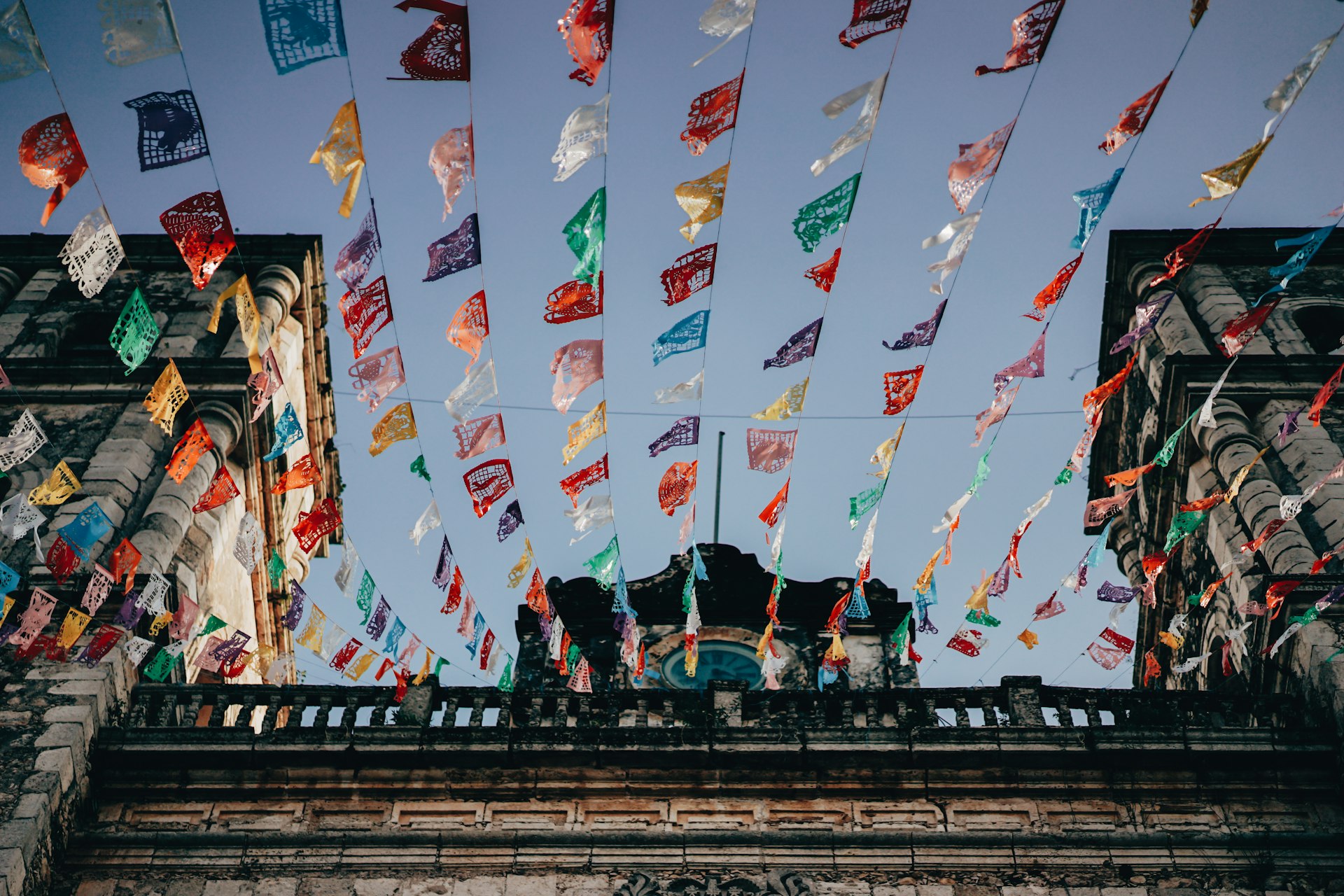
Best Cities in Mexico for Expats: Where to Live in 2024
Mexico City, Guadalajara, or a Pacific beach town? How each Mexican destination stacks up on real costs, safety, expat community, and day-to-day livability.
9 min read
Mexico offers more variety than almost any other expat destination—from the world's largest metropolis to peaceful colonial towns, from Caribbean beaches to Pacific surfing villages. The challenge isn't finding somewhere good; it's narrowing down the options. Each region has its own character, climate, cost, and expat community. What works perfectly for digital nomads may frustrate retirees; what delights culture-seekers may bore beach lovers.
Quick Takeaways
- •Mexico City offers world-class culture, food, and affordability for a major capital
- •San Miguel de Allende has the largest expat community but highest prices in colonial Mexico
- •Puerto Vallarta balances beach life with infrastructure and reasonable costs
- •Mérida is emerging as the best-value colonial city with growing expat appeal
- •Oaxaca offers rich culture and cuisine with an artsy, bohemian vibe
- •Lake Chapala area near Guadalajara has the oldest established expat community
Choosing where to live in Mexico is both the most exciting and the most consequential decision you'll make as an expat here. The country's diversity is staggering—a sprawling capital that rivals any world city, colonial towns frozen in amber, beach communities that range from backpacker villages to polished resort enclaves, and highland cities where the climate alone justifies the move. Each destination attracts a different kind of person, and understanding that self-selection is the key to choosing well.
What I've observed after years of watching people arrive, settle, relocate, and sometimes leave is that the expats who thrive aren't necessarily in the objectively best city—they're in the city that matches their temperament. The digital nomad who needs creative energy and late-night taquerias belongs in Mexico City. The retiree seeking community and perfect weather belongs at Lake Chapala. The culture-seeker who prioritizes depth over convenience belongs in Oaxaca. This guide helps you find that match before you sign a lease.
Mexico City: The World-Class Capital
Mexico City defies expectations. It's one of the world's great cities—rivaling Paris, Tokyo, and New York in culture, food, and energy—yet remains remarkably affordable and accessible for expats. The scale can overwhelm at first, but those who stay find a city that keeps revealing new layers.
For digital nomads and remote workers, CDMX is paradise. Neighborhoods like Roma, Condesa, and Juárez are packed with cafes, coworking spaces, and fast internet. The creative and startup scene is thriving. English is widely spoken in expat areas, though Spanish unlocks more of the city.
Cost of living runs $1,500-2,500/month for a comfortable life. One-bedroom apartments in desirable neighborhoods cost $800-1,400. You can eat incredibly well for $300-500/month mixing local fondas with trendy restaurants. The value proposition for major-city quality of life is exceptional.
The downsides are real. Traffic is brutal (but the Metro is excellent and cheap). Air quality varies seasonally—winter inversions can be rough. The city can feel overwhelming, and the sprawl means choosing the right neighborhood matters enormously. Some expats love the energy; others find it exhausting after a year or two.
Seasonal timing matters for arrivals. The dry season (November through April) offers the best air quality and weather. Rainy season afternoons bring daily thunderstorms but also green parks and cleaner air. Many expats find autumn (September-October) the sweet spot—rainy season ending, crowds thin, pleasant temperatures.
Best for: Young professionals, digital nomads, foodies, culture lovers, those who thrive in big cities. Climate: Mild year-round (the 'city of eternal spring') at 7,300 feet elevation.
Key neighborhoods: Roma Norte (trendy, walkable), Condesa (leafy, upscale), Coyoacán (bohemian, family-friendly), Polanco (luxury, upscale), Del Valle (local, affordable).
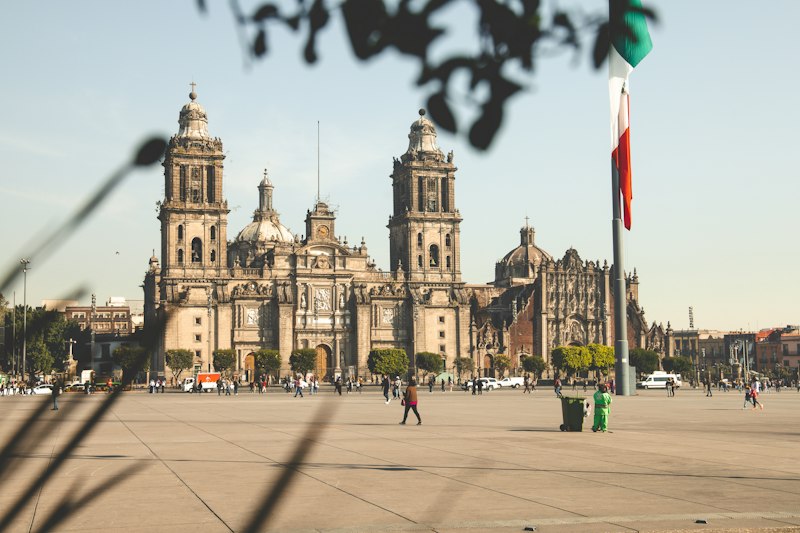
San Miguel de Allende: The Expat Classic
San Miguel de Allende is the longest-established expat destination in Mexico, with Americans and Canadians calling it home since the 1950s. The colonial architecture is stunning, the arts scene vibrant, and the infrastructure is geared toward international residents. The question most newcomers grapple with: is this too much of a gringo bubble?
The expat community is large, organized, and welcoming. You'll find English-language libraries, churches, volunteer organizations, and social clubs. Some expats barely need to speak Spanish. This can be a plus or minus depending on your goals—easy transition versus limited immersion.
Costs have risen significantly in recent years. Once a budget destination, San Miguel now rivals US small-city prices for housing. Nice rentals run $1,000-2,000/month. Restaurants and services are priced for the tourist and expat market. It takes time for the prices to feel normal after comparing to other Mexican destinations.
Beyond Centro, neighborhoods like Atascadero and Independencia offer lower prices and more Mexican character. Many long-term residents eventually move away from the tourist core while maintaining easy access to its amenities. This pattern—arriving in Centro, then gradually finding your real neighborhood—is common.
The climate is excellent—warm days, cool nights, minimal rain, at 6,200 feet elevation. The town is walkable and charming but small. Some find it perfect; others feel it's too touristy, too gringo, or too expensive after the initial enchantment fades.
Best for: Retirees, artists, those seeking established English-speaking community, couples and singles who want active social life.
Consider also: Guanajuato city (20 minutes away) offers similar beauty at lower prices with more Mexican character and a university-town vibe.

Deciding where to live is slow work, and most of the useful thinking happens away from the screen — walking, cooking, on a train. Audible's 30-day free trial — suits that stage: a few books about places you're considering, listened to before you commit to anything.
Affiliate disclosure: the Audible link above is an affiliate link. If you start a trial through it, Expat Blueprint may earn a small commission at no extra cost to you. It never changes what we recommend. Read the full disclosure.
If this is the part you keep circling back to, Find Your Place is the workbook we built around exactly that question — where fits my life? See how it works.
Puerto Vallarta: Beach Town Done Right
Puerto Vallarta has evolved from a fishing village to Mexico's most livable beach city. It offers the beach lifestyle with real infrastructure—good hospitals, international airport, reliable services, and a large, integrated expat community. For those wanting sun and sand without sacrificing convenience, it's hard to beat.
The town retains Mexican character despite tourism. The malecón (boardwalk) hosts local families alongside tourists. Traditional neighborhoods coexist with gringo enclaves. You can live very Mexican or very American depending on your preferences and neighborhood choice.
Seasonal dynamics define social life here. November through April brings the snowbirds—retirees escaping Canadian and US winters. The energy is high, restaurants are packed, and the social calendar is full. Summer empties out considerably—heat and humidity drive away perhaps half the expat population. Those who stay year-round either love the quiet or have adapted their schedules around it.
The Romantic Zone is the heart of expat life—walkable, gay-friendly, packed with restaurants and nightlife. Further out, Marina Vallarta and Nuevo Vallarta offer modern condos and golf courses. Bucerías and Sayulita (30-60 minutes north) provide smaller-town alternatives with their own expat communities.
Costs run $1,500-2,500/month for comfortable living. Ocean-view condos start around $900, with premium locations running $1,500+. The town is expensive by Mexican standards but cheap by beach standards.
Best for: Beach lovers, LGBTQ+ expats, retirees wanting infrastructure, those who like restaurant and nightlife scenes.
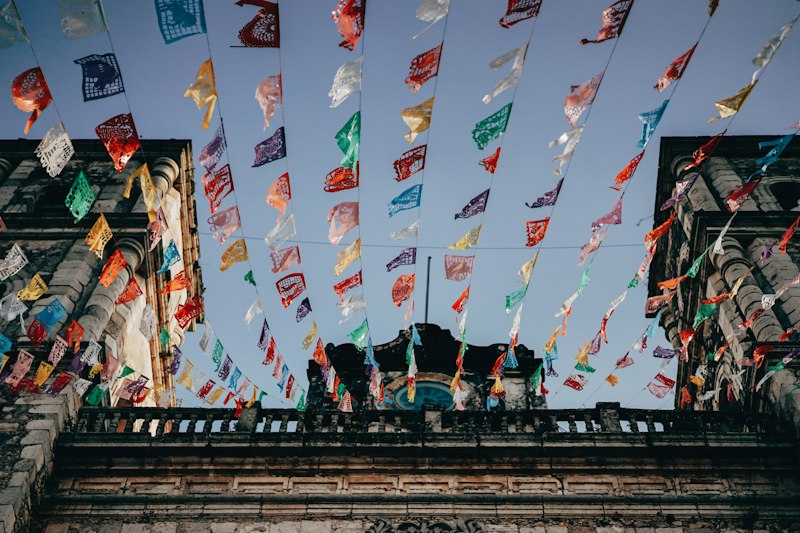
Mérida: The Rising Star
Mérida is the fastest-growing expat destination in Mexico, and for good reason. This elegant colonial capital of the Yucatán offers safety, culture, affordability, and proximity to the Caribbean coast. The influx of newcomers is changing the city—understanding what that means for latecomers matters.
The city consistently ranks as Mexico's safest large city. The historic centro is beautiful and walkable, with restored colonial mansions, excellent restaurants, and genuine Mexican culture. The Yucatecan identity is distinct from the rest of Mexico—different food, different history, different rhythm.
Costs remain reasonable despite growing popularity, though rising faster than other destinations. Comfortable rentals run $500-900/month. Colonial homes for purchase remain affordable compared to San Miguel or the coasts. Food and services are cheaper than tourist-heavy areas, though gringo-priced establishments are multiplying.
The climate is hot—this is the tropics, and there's no escaping it. Summers are very hot and humid, with temperatures often exceeding 100°F. Many homes have pools; air conditioning is essential for sleeping. The adjustment takes a full summer cycle—those who arrive in winter often underestimate what June through September requires. The beach at Progreso is 30 minutes away, providing weekend relief and a realistic alternative to full-time Mérida heat.
The expat community is growing rapidly but still integrating with local life. You'll find English speakers and expat resources, but this isn't a gringo bubble yet. Spanish helps significantly, and those who learn it integrate much more fully.
Best for: Culture lovers, budget-conscious retirees, those seeking safety, beach access without beach-town prices, history buffs.
Consider also: Nearby Progreso for beach access, Valladolid for smaller-town life with similar colonial charm.

Oaxaca: Culture and Cuisine Capital
Oaxaca is Mexico's cultural heart—home to the country's best cuisine, strongest indigenous traditions, vibrant arts scene, and increasingly attractive to expats seeking authentic Mexico. The bohemian expat community here differs from the retiree populations elsewhere.
The food alone draws people. Oaxaca is considered Mexico's culinary capital, with moles, tlayudas, mezcal, and chocolate traditions that go back centuries. The mercados are legendary. Serious foodies find paradise here, and many expats orient their weeks around market days and restaurant discoveries.
The arts and crafts scene is unmatched. Indigenous villages surrounding the city produce distinctive textiles, pottery, and carvings. Galleries and artisan markets abound. The Day of the Dead celebrations are Mexico's most famous, drawing visitors from worldwide each November.
Political reality requires mention. Oaxaca has a history of teacher strikes and protests that can disrupt daily life for weeks at a time. Infrastructure outside the centro can be basic. These challenges don't bother expats who prioritize cultural richness, but they matter for those needing predictability. The question is whether Oaxaca works for long-term residence or better as an extended visit—many find a pattern of months rather than years.
Costs are very reasonable. Comfortable apartments run $400-700/month. You can eat extraordinarily well for $200-300/month. The expat community is smaller and more bohemian than San Miguel—artists, writers, and cultural enthusiasts.
The climate is pleasant—warm days, cool nights, at 5,100 feet elevation. The rainy season (June-September) brings afternoon showers. The city is walkable and charming.
Best for: Foodies, artists, culture enthusiasts, those wanting authentic Mexico, Spanish learners, budget travelers.
The Lake Chapala area—including Ajijic, Chapala, and surrounding villages—hosts Mexico's oldest and largest expat community. An estimated 20,000+ Americans and Canadians live in this region 45 minutes south of Guadalajara. The community is undergoing a generational shift as the original wave of retirees ages and newer arrivals bring different expectations.
What Oaxaca Means in Practice
The infrastructure for expats is unmatched anywhere in Mexico. English is everywhere. The Lake Chapala Society provides activities, library, and resources. Healthcare, real estate, and services cater to international residents. You could live here for years without speaking Spanish—whether that's appealing or limiting depends on what you're seeking.
The climate is often cited as the best in the world. At 5,000 feet on the lake, temperatures range 60-80°F year-round. No heating or AC needed. The combination of climate and established community makes this popular with retirees seeking easy transitions.
The atmosphere is suburban rather than colonial-town charming. Strip malls, gated communities, and American-style development characterize much of the area. Village centers like Ajijic retain character, but the surrounding development feels familiar in ways some love and others find too much like what they left. The choice between village feel and suburban convenience plays out block by block.
Guadalajara integration is worth considering—the city is forty-five minutes away with major airport, hospitals, shopping, and cultural offerings. Some residents split time between lakeside tranquility and urban amenities.
Costs are moderate. Rentals run $600-1,200/month for comfortable homes. The area is more affordable than San Miguel but pricier than Oaxaca or Mérida.
Best for: Retirees seeking established community, those who want English-speaking environment, perfect climate seekers, those who prefer familiar suburban feel.
Consider also: Guadalajara itself for city life with Lake Chapala access on weekends.
Choosing Your Mexican Home
The question isn't which city is best—it's which city is best for you right now. Mexico rewards exploration before commitment, and what works for one expat may not work for another. Your answer will likely evolve as you learn what you actually want versus what you thought you wanted.
Start with priorities: Beach or mountains? Big city or small town? Established expat community or Mexican immersion? Perfect climate or affordability? Infrastructure or adventure? Most people can't have everything, so knowing your non-negotiables helps narrow options quickly.
The reconnaissance trip approach works well. Spend 2-4 weeks in 3-4 locations before deciding. Visit during different seasons if possible—summer beach heat and highland rainy seasons affect livability in ways that winter visits don't reveal. Talk to expats who've been there more than two years—they've passed the honeymoon phase and can speak honestly.
For digital nomads and remote workers, Mexico City and Puerto Vallarta offer the best infrastructure. Oaxaca and Mérida are emerging alternatives with growing nomad communities and better value, if you can handle the trade-offs in connectivity and convenience.
For retirees, Lake Chapala offers the most established community and resources. San Miguel provides culture and beauty at a premium. Mérida offers the best current value with growing infrastructure—the window of value may be closing as it gains popularity.
For families, Mexico City and Guadalajara have the best international schools and activities. Beach towns can work but require more planning for education and activities.
Mexico's diversity is its strength. You can easily relocate within the country as your needs change, enjoying beach winters and highland summers, or simply trying new cities until one sticks. Many long-term expats have lived in three or four Mexican cities before finding their permanent home—and some never stop moving.
Written by
Carl S Moller
Founder & Editor, Expat Blueprint
Carl S Moller is the founder and sole editor of Expat Blueprint. He researches and writes every guide himself, working from immigration ministries, tax authorities, national statistics and recent first-hand reporting rather than claiming to have lived in all sixteen countries covered.
Keep the thread going
One reflective note every few weeks, and 20% off anything in the workbook shop the moment you sign up. The code is valid through 31 August 2026.
Unsubscribe any time. We never share your address. The 20% code is valid through 31 August 2026.