Mexico's True Costs: Monthly Expat Budgets City by City (2026)
Mexico's real 2026 costs for expats: current rents by city, CFE electricity traps, the new UMA-linked residency thresholds, and honest monthly budgets.
14 min read
Mexico has become the top destination for American and Canadian expats seeking a lower cost of living without sacrificing quality of life. With its proximity to the US, rich culture, and dramatically lower expenses, Mexico offers everything from beach towns to colonial cities. But costs vary wildly—from tourist-priced beach resorts to incredibly affordable interior cities.
Quick Takeaways
- •A comfortable single in Mexico City now runs roughly $1,800-2,200 a month all in
- •Housing ranges from around $500 in quieter colonias to $1,850 for central CDMX one-beds
- •The peso strengthened about 13% through 2025, quietly raising costs for dollar earners
- •Residency thresholds are pegged to the UMA, which rose 3.69% for 2026
- •Exceeding CFE's subsidised consumption cap twice in a row moves you to the punitive DAC tariff
- •Mexico City now caps short-let hosts at three properties and 183 nights per listing
The moment I stopped converting every price to dollars was the moment Mexico started making financial sense to me—not because the numbers changed, but because I stopped measuring this life against the one I left. Mexico's cost of living is genuinely lower than the US or Canada, but the real story is more interesting than a simple discount. It's about a different relationship with money, where quality of life isn't proportional to spending and where the things that matter most—food, community, warmth—cost almost nothing.
What follows is an honest accounting of what life actually costs in Mexico in 2026, and two things have moved since most guides were written. The peso appreciated roughly thirteen percent across 2025, from about 20.9 to the dollar in April down to under 18 by Christmas, which means a dollar income buys measurably less here than it did eighteen months ago. And Mexico City's new short-let registry and property caps, introduced in May 2026, are reshaping the furnished rental market that most arriving expats depend on for their first few months.
The numbers vary dramatically by city and lifestyle, and pretending otherwise does nobody any favours. A beach town budget looks nothing like a Mexico City budget, and neither resembles what you'd spend in a quiet colonial town. I should say plainly that outside official figures like the UMA and CFE tariffs, most Mexican rent data is agency listings and self-reported surveys rather than an audited index. Treat the ranges below as the shape of the market, not a promise.
Housing Costs Across Mexico
Mexico's housing market offers tremendous variety, from modern high-rises to centuries-old colonial homes, with prices that still shock newcomers from the US and Canada. The gap between what you pay at home and what you'll pay here creates a genuine recalibration of expectations—suddenly a beautiful two-bedroom with a terrace feels like a reasonable ask rather than a distant dream.
In Mexico City, the capital offers incredible value for a world-class metropolis. A modern one-bedroom in trendy neighborhoods like Roma, Condesa, or Polanco runs $800-1,400/month. Move to areas like Coyoacán or Del Valle for $500-800. Fully furnished apartments are common and often include utilities. The furnished rental culture deserves special attention: unlike the US where furnished means paying a premium for someone else's IKEA castoffs, Mexican furnished rentals often include quality furniture, kitchen equipment, and linens that make arriving with two suitcases entirely practical.
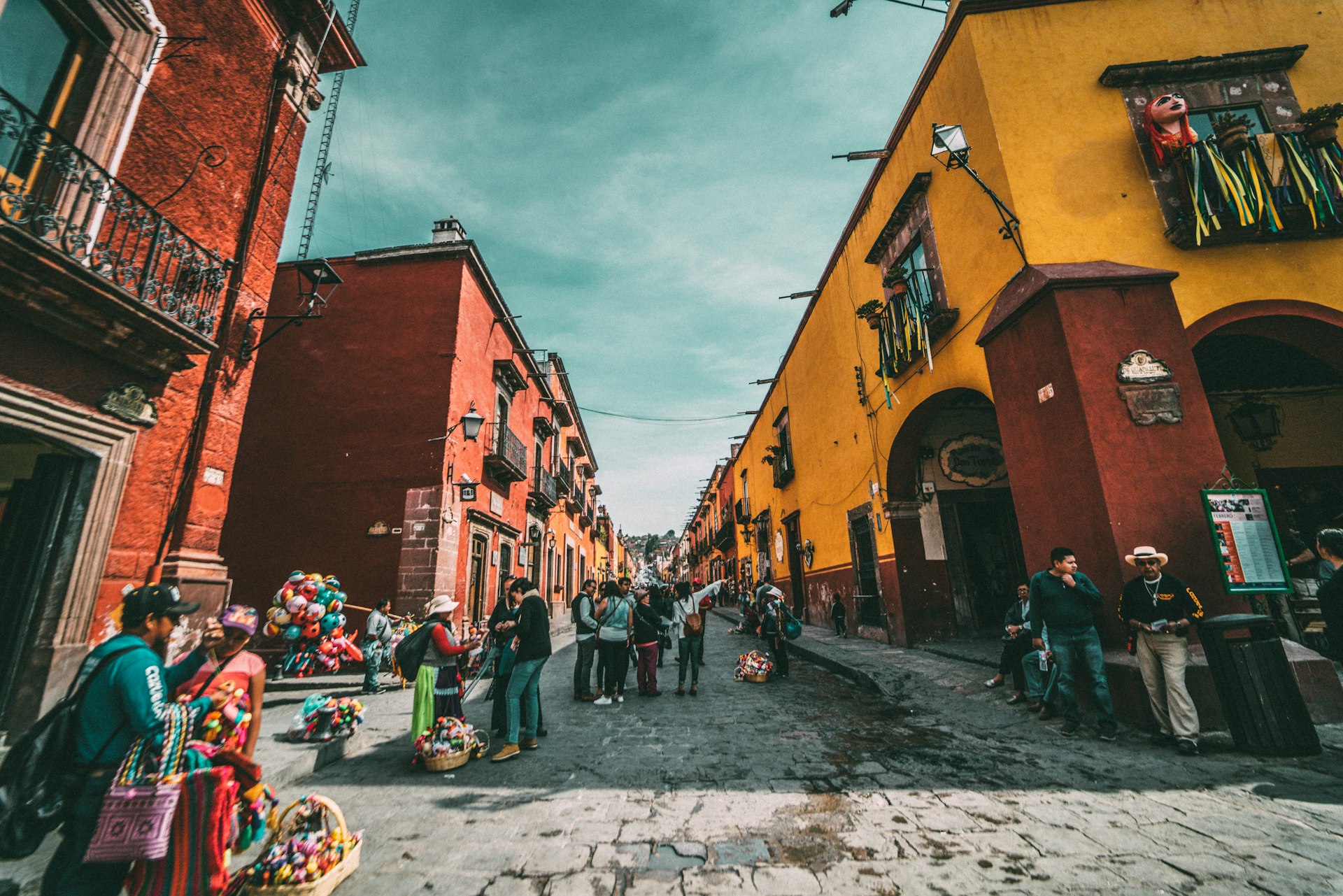
Colonial cities like San Miguel de Allende, Guanajuato, and Oaxaca offer charm at reasonable prices. Expect $500-900 for a nice one-bedroom in central areas. San Miguel has become pricier due to expat demand, while Oaxaca and Mérida remain more affordable. The trade-off between furnished and unfurnished becomes interesting in colonial cities—many landlords prefer to rent unfurnished to Mexican families for long terms, so furnished options often cluster in expat-heavy neighborhoods at higher prices.
In Mexico City the capital still offers real value for a world-class metropolis, though the central neighbourhoods have priced accordingly. A furnished one-bedroom in Roma Norte or Condesa now transacts at roughly 23,000-33,000 pesos, which is about $1,300-1,850 at current rates, while a private room in a shared flat runs 9,000-17,000. Step across to Narvarte, Del Valle, Escandón or Doctores and the same unit costs thirty to fifty percent less, landing nearer $600-1,000. The furnished rental culture deserves attention: unlike the US, where furnished means paying a premium for someone else's castoffs, Mexican furnished rentals often include quality furniture and kitchen equipment that make arriving with two suitcases entirely practical.
Colonial cities offer charm at more reasonable prices, though the expat-favourite ones have moved. Mérida's total single-adult cost of living sits near $1,340 a month with housing around half of it, and the market has become more selective rather than cheaper since the pandemic boom. Oaxaca remains among the cheapest genuinely liveable options at $800-1,400 all in for a single person. San Miguel de Allende has gone the other way entirely — a couple's comfortable budget there is commonly quoted at $3,500-5,500, driven almost entirely by housing scarcity in the historic centre. Guadalajara sits in the middle at around $1,630 total, with property taking about sixty percent.
Beach destinations vary dramatically. Puerto Vallarta's average total cost of living runs near $2,350 with property at two-thirds of it and a central one-bedroom around $950. Los Cabos is essentially US pricing. Lesser-known beaches like Mazatlán, Puerto Escondido and Huatulco still offer much better value at $500-900 for rent. The Airbnb-to-long-term conversion strategy works well in beach towns, though it has become harder in Mexico City specifically.
That is the change worth planning around. Mexico City opened a mandatory digital registry for short-term rental hosts and platforms in May 2026, framed openly as an anti-gentrification measure, alongside a Tourism Law provision capping individual hosts at three properties and each listing at 183 nights a year. The cap is being challenged in court and small hosts have pushed back hard, partly because the registration deadline landed in the middle of the World Cup influx. Whether it does anything about the large multi-property operators actually squeezing the housing market is an open question. What it does do, immediately, is make the cheap two-month furnished landing pad harder to find in Roma and Condesa.
Utilities run $40-80 monthly for basics, but electricity is where newcomers get hurt. CFE subsidises residential consumption up to a seasonal cap that varies by climate zone, and if you exceed that cap in two consecutive billing cycles the account is automatically reclassified to the DAC high-consumption tariff, which strips the subsidy entirely and is painful to reverse. Anyone running air conditioning hard, or with a pool, should treat this as a real risk rather than a footnote. There is also a minimum charge for the first 25 kWh regardless of use. Internet is reliable and cheap at $25-35, mobile $10-20, and many apartments include water and gas in the rent.
The Peso Paradox: What Currency Fluctuations Actually Mean
The first year I kept converting every price to dollars in my head. That habit lasted about six months before I realized it was driving me slightly crazy—and missing the point entirely. The peso isn't just an exchange rate; it's the lens through which you should eventually see all your Mexican spending, because trying to maintain a dollar-denominated mental budget creates constant low-grade anxiety that has nothing to do with whether you can actually afford something.
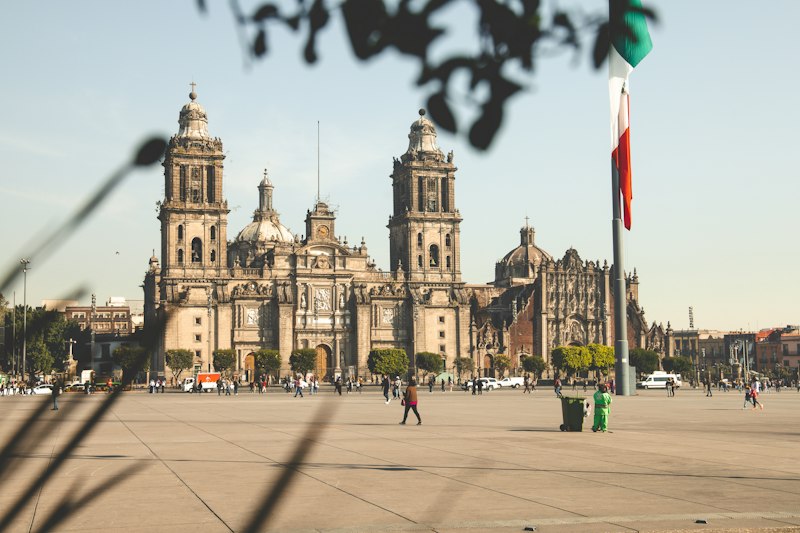
The peso has strengthened dramatically against the dollar since 2020, and 2025 added another leg to that move. It weakened to nearly 20.9 per dollar in April, then appreciated steadily to about 17.9 by late December — roughly thirteen percent over the year, averaging around 19.2. For dollar-earners that is a straightforward pay cut in local terms, and it lands on top of the decade-long shift from 25-per-dollar. This catches many expats off-guard, especially those who built budgets from cost-of-living articles written when the arithmetic was entirely different.
The psychological adjustment takes time. You'll meet long-term expats who still complain that tacos used to cost 10 pesos and now cost 25, and you'll meet newcomers who can't believe you can eat a full meal for two dollars. Both are correct within their reference frames. The question is which frame you adopt and how quickly you stop comparing to what things could have cost.
Practical currency strategies help smooth the transition. Keeping three to six months of expenses in pesos protects against sudden exchange rate movements. Using dollar accounts to hold savings but peso accounts for monthly spending creates a natural buffer. The Wise and Revolut cards have become essential tools for minimizing conversion fees, though Mexican ATMs increasingly charge their own fees regardless of your card's policies.
For long-term planning, assuming peso strength continues is more conservative than hoping for a return to 25-per-dollar rates. Budget as if the peso will stay strong or strengthen further—if you're wrong and the dollar rises, you'll simply have bonus spending power. The opposite mistake hurts much more.
If this is the part you keep circling back to, Find Your Place is the workbook we built around exactly that question — where fits my life? See how it works.
Food and Dining: Tacos to Fine Dining
Mexico's food culture is legendary, and eating well here costs a fraction of what you'd pay north of the border. But the gap between local and expat-oriented eating is larger than most budget guides suggest, and where you fall on that spectrum determines whether food becomes a major savings category or a surprising expense.
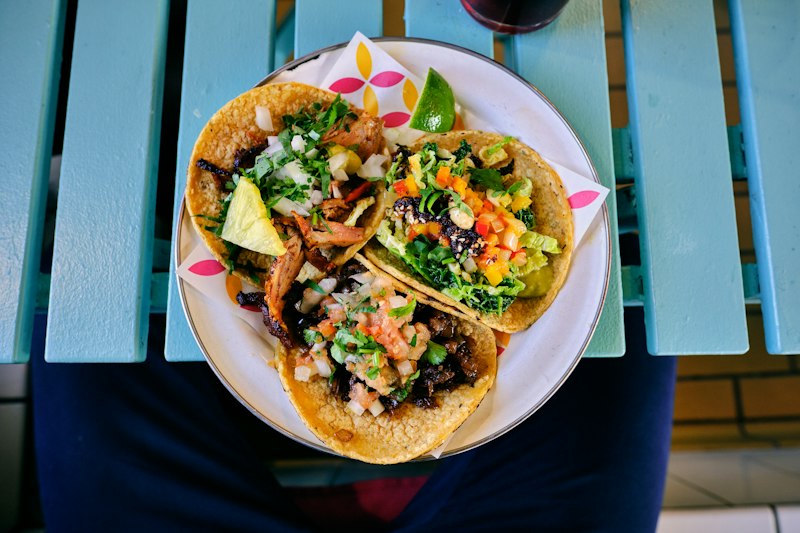
Street food and local restaurants define daily eating for many expats. Tacos run 15-25 pesos each ($0.80-1.50). A full comida corrida (set lunch) with soup, main course, drink, and dessert costs $3-5. You can eat extremely well for $200-300/month embracing local cuisine. The fondas and cocinas económicas in residential neighborhoods serve better food than the stands in tourist areas, and regulars develop relationships that lead to extra portions and off-menu dishes.
Western and international food is where budgets diverge sharply. American-style restaurants charge $10-20 for burgers and brunches. Craft beer bars and expat hangouts cost similar to US prices. If you eat primarily at gringo spots, expect food costs to double or triple. The brunch trap catches many newcomers—sitting in air-conditioned cafes with avocado toast and oat milk lattes is comfortable, but doing it daily creates a food budget that approaches what you spent at home.
Grocery shopping offers the best of both worlds. Local markets provide fresh produce, meat, and tortillas at incredibly low prices. Supermarkets like Chedraui, Soriana, and La Comer stock imported American brands at reasonable markups. Costco and Walmart exist in larger cities. A mixed grocery budget runs $200-400/month. Learning the rhythm of the tianguis (weekly markets) in your neighborhood unlocks the best produce prices and introduces you to ingredients you won't find elsewhere.
Coffee culture has exploded in Mexico. Local coffee runs $1-2, while hipster cafes charge $3-5 for specialty drinks. Mexican coffee is excellent—you're in one of the world's top coffee-producing countries. Chiapas and Oaxaca produce beans that rival anything you'd pay premium prices for at home, and local roasters in most cities sell them for a fraction of export prices.
Getting Around: Transportation Costs
Transportation in Mexico is affordable, with options ranging from excellent public transit in cities to the freedom of car ownership. The choice matters less for budget than for lifestyle—public transit costs nearly nothing, but car ownership opens weekend exploration that many expats consider essential to their quality of life.
In Mexico City, the Metro is one of the world's best values at 5 pesos ($0.30) per ride. Metrobús and trolleybus lines extend coverage. Uber is ubiquitous and cheap—cross-city rides rarely exceed $5-8. Most expats in CDMX skip car ownership entirely, finding that the combination of Metro, Uber, and occasional car rentals covers all their needs. The mental math on car ownership rarely works when you factor in traffic, parking, and the excellent alternatives.
In smaller cities and towns, colectivos (shared vans) and local buses cost $0.30-0.80 per ride. Taxis are inexpensive but should be negotiated or app-based. Uber works in most cities over 500,000 people. DiDi often offers even better prices and has expanded aggressively across Mexico.
Owning a vehicle in Mexico is more common outside Mexico City. Used cars cost twenty to thirty percent less than US prices. Fuel through mid-2026 has averaged roughly 23.7 pesos a litre for Magna, 28.5 for Premium and 27 for diesel, which works out near $1.66 a litre for premium, adjusting weekly and by border zone. Insurance is $500-1,000 annually. The cost of simply keeping a car — registration, insurance, maintenance — runs roughly $100-150 a month before fuel, making it a lifestyle choice rather than a budget necessity.
For inter-city travel, Mexico's bus system is excellent. First-class buses (ADO, ETN) offer airline-like service with WiFi and movies. Mexico City to Oaxaca costs $30-50 for a 6-hour journey. Budget airlines (Volaris, VivaAerobus) frequently run sales with flights under $50. The flexibility to explore means domestic travel becomes a genuine category in most expat budgets—the variety of destinations within a few hours is remarkable, and the costs are low enough that spontaneous weekend trips become normal.

Healthcare: Quality Care at Affordable Prices
Mexico's healthcare is a major draw for expats, with private hospitals offering excellent care at a fraction of US costs. The system operates differently than what most Americans know, and understanding those differences matters for both budgeting and peace of mind.
Doctor visits at private clinics cost $30-60 for general practitioners, $50-100 for specialists. Walk-in clinics attached to pharmacies (Farmacia Similares, etc.) charge as little as $3-5 for basic consultations. These consultórios are genuinely useful for minor issues—antibiotics for an infection, advice on a rash, quick blood pressure checks. They're not where you go for complex care, but they fill a gap that simply doesn't exist in the US healthcare system.
Private hospitals like Hospital Ángeles, Médica Sur, and Star Médica offer US-quality care. An ER visit runs $100-300, compared to thousands in the US. Surgeries cost 50-70% less than equivalent US procedures. The quality at top hospitals genuinely surprises newcomers—modern facilities, US-trained doctors, and English-speaking staff in major cities.
Health insurance options include voluntary IMSS enrolment for legal residents, priced by age bracket and adjusted quietly each year — currently somewhere around 500 to 1,500 pesos a month for most adults, meaning roughly $28-85, rising steeply for older applicants. Private Mexican insurance runs $1,000-3,000 annually, and international plans range from about $50 a month for a healthy thirty-year-old to several hundred for a retiree wanting US-network access. Many expats use catastrophic coverage combined with paying out of pocket for routine care, which works well while you are healthy because doctor visits cost so little.
Dental and vision care are extremely affordable. Cleanings cost $30-50, fillings $40-80, and crowns $200-400. Lasik runs $1,500-2,500—a fraction of US prices. Los Algodones on the US border is famous for dental tourism, but quality dentists exist in every Mexican city.
Pharmacies in Mexico sell many medications without prescriptions at low prices. Common drugs cost 50-80% less than in the US. Farmacia Guadalajara and Farmacia del Ahorro are nationwide chains with competitive prices. The ability to walk in and buy most medications directly—antibiotics, blood pressure medications, even many controlled substances—takes adjustment but ultimately simplifies healthcare management.
Beyond basics, several factors impact your Mexico budget in ways newcomers don't always expect. Some of these are literal costs; others are time investments that indirectly affect how you spend money.
Residency is where the arithmetic quietly changed. Mexico pegs its financial thresholds to the UMA rather than the minimum wage, and the UMA rose 3.69 percent for 2026 to 117.31 pesos a day, 3,566.22 a month. Applying INM's usual multiples, the temporary resident income test now sits somewhere near $4,400 a month, or savings of roughly $74,000 held for a year; the permanent route for pensioners asks a lower recurring income, historically around $1,900-2,000 a month, against a much higher savings figure. I want to be careful here, because every consulate publishes its own dollar conversion and recalculates it against both the UMA and the exchange rate. The numbers above are a planning range. The consulate you actually apply through is the only authority on the number that will be applied to you, and the strengthening peso means it drifts upward in dollar terms even when nothing in Mexican law changes.
The other practical cost is time. Consular appointments, immigration office visits and document preparation all take longer than anyone budgets for, and many expats hire a gestor at $100-300 to handle the bureaucracy.
The gestor system deserves its own explanation. For car registration, business permits, certain utility setups, and immigration paperwork, a gestor who knows the system and has relationships with officials can accomplish in hours what might take you days of waiting. They're not strictly necessary for everything, but the time value calculation often favors hiring one. Budget $50-200 per transaction if you go this route.
Opening Mexican bank accounts has gotten easier but remains annoying. Most expats use some combination of US accounts, Wise or similar fintech, and eventually a Mexican account for autopay bills. The time cost of navigating this—multiple bank visits, document requirements, frustrating rejection before eventual success—should be factored into your early months.
Entertainment and social life are affordable. Gym memberships run $30-50/month. Movie tickets cost $4-6. Craft beer bars charge $4-6 per drink versus $1.50-2 for local beer. Golf is $30-80 per round at quality courses. The social infrastructure costs little, though the temptation to eat out constantly can add up if you're building a new friend group.
Domestic travel is one of Mexico's great values. Weekend trips to nearby pueblos mágicos cost $100-200. Beach weekends run $150-300 including accommodation. The variety of destinations within driving distance is remarkable, and exploring becomes a meaningful budget category for most expats.
Children's education at international schools costs $5,000-15,000 annually—significant but much less than US private schools. Local private schools charge $2,000-5,000/year with instruction in Spanish. The choice between immersion and maintaining English-language education has long-term implications beyond the immediate cost difference.

Building Your Mexico Budget
Mexico accommodates a wide range of budgets, but your lifestyle choices determine everything. The same country that lets one expat live well on $1,200 monthly forces another to spend $3,500 to feel comfortable—and neither is wrong about what they need.
A frugal single in Mexico City, meaning an unfashionable colonia, cooking mostly at home and using the Metro, lands around $900-1,100 a month in 2026: rent of five to six hundred and fifty on top of the roughly eight hundred that everything else costs a single person here. Oaxaca does the same thing more pleasantly for $800-1,400 all in.
A comfortable single in Roma or Condesa, eating out regularly with a gym and private health cover, works out closer to $1,800-2,200 — the housing alone is doing most of that. A couple in Mérida with a decent colonial-style rental and a mix of mercado and supermarket shopping runs $2,000-2,600 between them.
A retired couple in a secondary city — Mérida, Oaxaca, the Lake Chapala side of Guadalajara — with a car, fuel, supplemental insurance and some household help sits at $2,500-3,500. In San Miguel de Allende the same life costs $3,500-5,500, almost entirely because of what has happened to housing in the historic centre. A family of four in Mexico City with one child in an international school is looking at $5,500-8,000 and up, with tuition running $10,800-12,300 a year per child before uniforms and transport add roughly another fourteen percent.
The timing of your move affects long-term budgeting more than most people realize. Arriving in high season (November-April) for beach towns or dry season for highland cities means paying peak rents and having less negotiating power. Coming in low season—September or October for most destinations—gives you leverage to lock in better long-term rates.
Key recommendations: Spend 1-3 months testing locations before signing long-term leases. Factor in peso strengthening when planning—your dollars buy less than they did in 2020. Budget for trips home if proximity to family matters. Consider the seasons—some beach towns are unbearably hot in summer while highland cities are perfect year-round.
Mexico offers perhaps the best value proposition for North American expats: familiar culture, easy travel home, excellent healthcare, and a dramatically lower cost of living. Come with realistic expectations, avoid the common mistake of budgeting based on outdated exchange rates, and you'll understand why so many people never leave.
Written by
Carl S Moller
Founder & Editor, Expat Blueprint
Carl S Moller is the founder and sole editor of Expat Blueprint. He researches and writes every guide himself, working from immigration ministries, tax authorities, national statistics and recent first-hand reporting rather than claiming to have lived in all sixteen countries covered.
Keep the thread going
One reflective note every few weeks, and 20% off anything in the workbook shop the moment you sign up. The code is valid through 31 August 2026.
Unsubscribe any time. We never share your address. The 20% code is valid through 31 August 2026.