Vietnam's Medical System: Clinics, Insurance, and Expat Options
Navigating medical care in Vietnam as an expat. Hospitals, international clinics, insurance options, costs, and what you should realistically expect there.
8 min read
Vietnam's healthcare system is developing rapidly, with international-standard private hospitals in major cities alongside more basic public facilities. For expats, this means excellent affordable care is available—if you know where to find it. Understanding the tiered system and having a clear plan is essential for navigating medical care in Vietnam.
Quick Takeaways
- •Private international hospitals offer excellent care at affordable prices
- •Public hospitals are cheap but crowded with limited English—most expats avoid them
- •Health insurance is strongly recommended—international policies cost $1,000-3,000/year
- •Routine care and medications are very affordable when paying out-of-pocket
- •Quality varies dramatically between facilities—location matters significantly
- •Medical evacuation to Singapore or Bangkok is possible for complex cases
Healthcare in Vietnam sits at an unusual intersection—genuinely excellent private facilities operating alongside overwhelmed public hospitals, with a price gap between the two that makes the choice obvious for anyone with moderate resources. The system has transformed rapidly over the past decade, driven by investment from groups like Vinmec and the expansion of international clinic networks into secondary cities.
For expats, the practical question is less about whether good care exists and more about knowing where to find it before you need it urgently. The difference between arriving at a crowded public emergency room and walking into a modern international hospital with English-speaking staff is not merely comfort—it can affect outcomes. Building your medical network during healthy times is among the most consequential things you can do in your first weeks in Vietnam.
Understanding Vietnam's Healthcare System
Vietnam operates a multi-tiered healthcare system with significant quality gaps between public and private facilities, and between major cities and rural areas.
Public hospitals serve the Vietnamese population at low cost but face overcrowding, limited resources, and language barriers. District and provincial hospitals handle basic care; national hospitals in Hanoi and HCMC provide more advanced treatment. Most expats avoid public facilities except in emergencies.
Private hospitals have transformed expat healthcare in Vietnam. International-standard facilities now operate in major cities, offering familiar standards, English-speaking staff, and modern equipment. These are the primary choice for expat medical care.
International clinics fill the gap for routine care. Facilities like Family Medical Practice, Raffles Medical, and district-specific international clinics provide GP services, vaccinations, minor procedures, and referrals. They are more accessible than hospitals for everyday needs.
The quality gap between Hanoi/HCMC and other areas is significant. Da Nang has improving options, but smaller cities have limited international-standard care. Expats in less developed areas should have evacuation plans for serious issues.

Best Hospitals and Clinics for Expats
Vietnam's top medical facilities offer care that rivals regional hubs, with significant cost advantages over Singapore or Bangkok.
In Ho Chi Minh City, FV Hospital is the gold standard—a fully international facility with JCI accreditation, comprehensive specialties, and excellent English throughout. Vinmec Central Park provides similar quality with a strong cardiac and maternity focus. Franco-Vietnamese Hospital (FV) and Columbia Asia handle routine and moderate needs well. What distinguishes these facilities from their public counterparts is not merely equipment or language capability—it is the entire patient experience, from appointment scheduling systems that actually work to follow-up protocols that ensure continuity of care across visits.
In Hanoi, Vinmec Times City is the leading international hospital with comprehensive services. French Hospital (Hanoi French Hospital) provides European-standard care with French and English speaking staff. SOS International Clinic and Raffles Medical handle routine expat healthcare needs.
In Da Nang, Vinmec Da Nang and Family Medical Practice Da Nang offer the best options. Quality is good for routine care, but complex cases may require transfer to HCMC or Hanoi.
Family Medical Practice operates clinics in multiple cities and is often the first stop for expats. They provide GP services, vaccinations, health checks, and coordinate specialist care. Their 24-hour services are valuable for emergencies.
For emergencies, know your nearest quality facility before you need it. Save addresses and phone numbers. Ensure your insurance includes direct billing at your preferred hospitals to avoid payment complications during emergencies.

Land Well takes this further than an article usefully can — 70 pages built around one question: how will daily life actually work there? See what it covers.
Health Insurance Options for Expats
Health insurance in Vietnam ranges from basic local policies to comprehensive international coverage. Your choice depends on risk tolerance, budget, and travel patterns. The decision is more consequential than it appears initially, because Vietnam's healthcare costs—while low by international standards—can accumulate rapidly during extended hospital stays or when specialist interventions are needed at international facilities.
International health insurance from providers like Cigna, Allianz, Bupa, and Pacific Prime offers the most comprehensive coverage. Policies typically cost $1,500-3,500/year for comprehensive coverage including outpatient, inpatient, and evacuation. These work at international hospitals and provide coverage regionally or globally.
Regional insurers like April International and Now Health offer good coverage at moderate prices ($1,000-2,500/year). These are popular among long-term expats who primarily stay in Asia.
Local Vietnamese insurance (Bao Viet, PVI) is much cheaper ($200-500/year) but may have limitations on coverage, hospital choice, and English support. Some expats use these as supplementary coverage or for visa requirements.
Health Insurance Options for Expats (Continued)
Travel insurance (SafetyWing, World Nomads) suits digital nomads on tourist visas. Coverage is more basic but affordable at $50-100/month. Understand limitations on coverage duration and pre-existing conditions.
Pay-as-you-go works for some expats given Vietnam's low costs. A doctor visit at a private clinic ($30-80) or even minor procedures are affordable out-of-pocket. However, serious illness or accidents can still generate significant bills—even at Vietnamese prices, a hospital stay adds up. The psychological comfort of knowing catastrophic costs are covered often justifies premiums that seem high relative to routine care expenses.
For most expats, a mid-range international policy providing solid inpatient coverage combined with out-of-pocket payment for routine care offers the best balance.
What Medical Care Actually Costs
Vietnam's medical costs are very affordable by international standards, making quality healthcare accessible even for budget-conscious expats.
Doctor visits at international clinics run $30-80 for general consultations. Specialists charge $50-120. These prices are often all-inclusive or with minimal additional charges. Compare this to $150-300 for equivalent care in Western countries.
Lab work and diagnostics are remarkably affordable. Blood panels cost $30-80 for comprehensive testing. X-rays run $20-40. MRIs and CT scans cost $150-350—often cheaper than Western insurance copays.
Hospital stays at international facilities run $150-400/night for standard rooms. Private rooms are more. Surgery costs vary but are typically 30-50% of Western prices even at top facilities.
Dental care is a particular value. Cleanings cost $20-40, fillings $30-60, crowns $150-300. Many expats specifically address dental needs in Vietnam. Quality at better clinics meets international standards. Some expats plan dental tourism trips from neighboring countries specifically to take advantage of Vietnamese pricing, scheduling multiple procedures across a week that would cost five times more at home.
Medications are cheap and widely available. Common drugs cost a fraction of Western prices. Many medications requiring prescriptions elsewhere are available directly from pharmacies. Pharmacists can advise on basic conditions. The savings on chronic medication alone can offset a significant portion of monthly living costs—expats managing conditions like diabetes, hypertension, or thyroid disorders often find their pharmaceutical expenses drop to a quarter of what they paid previously.
Mental health services have improved, with English-speaking therapists and psychiatrists available in major cities. Expect $60-120 per session—more affordable than most Western countries.

Pharmacies and Medications
Vietnamese pharmacies are ubiquitous and well-stocked, offering convenient access to medications often restricted elsewhere.
Pharmacies (nha thuoc) appear on nearly every block in urban areas. Many operate extended hours. Look for the green cross sign. Larger chains and those near hospitals tend to be more reliable.
Prescription requirements are loosely enforced. Many medications requiring prescriptions in Western countries are available over-the-counter in Vietnam. This includes most antibiotics, common maintenance medications, and basic drugs. Controlled substances (opioids, benzodiazepines) are more restricted.
Quality and authenticity are generally reliable at established pharmacies in urban areas. Avoid extremely cheap or informal sellers. Major pharmacy chains and hospital pharmacies are safest for important medications.
Pricing is very affordable. Common medications cost a fraction of Western prices. Generic options are widely available. For regular medications, Vietnam offers significant savings.
Bring documentation of your regular medications—generic names, dosages, and purposes. Vietnamese pharmacists can usually identify local equivalents. For specialized medications, check availability before arriving or bring sufficient supply.
Language can be a barrier. Write down medication names, show packaging from previous prescriptions, or use translation apps. Pharmacists in international clinic pharmacies speak better English.

Emergency Services and Care
Emergency services in Vietnam are improving but differ significantly from Western systems. Preparation and knowledge of your options are essential.
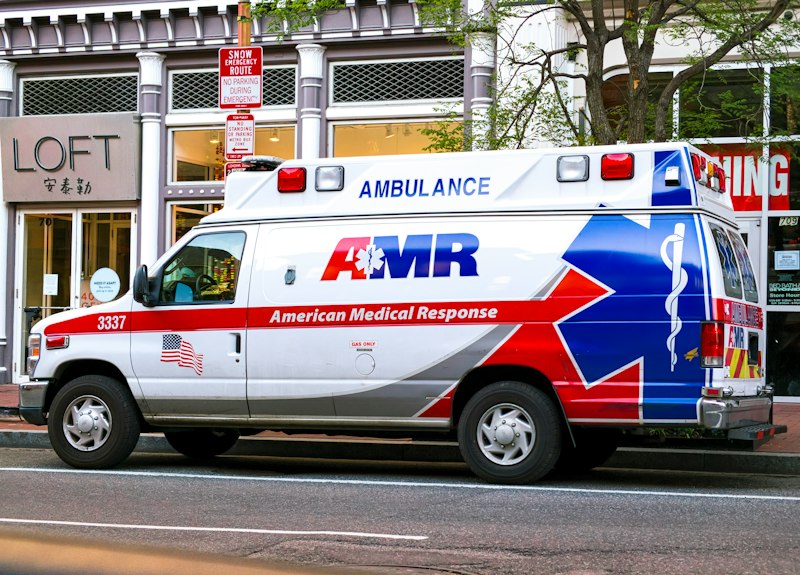
The emergency number is 115 for ambulance, though English support is limited. Response times vary—faster in major cities, slower elsewhere. Many expats find Grab or taxi faster than waiting for an ambulance for non-critical situations.
For true emergencies, go directly to the nearest international hospital. FV Hospital and Vinmec have 24-hour emergency departments with international-standard care. Know the location of your nearest quality ER and keep the address accessible.
Public hospital emergency rooms will treat emergencies regardless of ability to pay or nationality. Quality is basic, English limited, and conditions can be challenging. However, for life-threatening emergencies when an international hospital is not accessible, they provide essential stabilization.
Medical evacuation is available for serious conditions. Singapore and Bangkok are the primary destinations for care beyond Vietnam's capabilities. Evacuation can cost $20,000-100,000 without insurance—a key reason international coverage is recommended.
SOS International and International SOS provide 24-hour emergency assistance lines, medical advice, and coordination for serious situations. Their membership or inclusion in insurance policies provides valuable peace of mind.
Prevention matters more in Vietnam than in countries with robust emergency response. Traffic accidents are the main emergency risk for expats—far exceeding disease or violent crime as the statistical danger. Wear a quality helmet (not the cheap decorative ones sold on street corners), drive defensively, and avoid night driving when possible. Alcohol-related motorbike accidents remain the leading cause of serious expat injuries, a pattern that repeats with depressing regularity in emergency room statistics across both major cities.
Your Vietnam Healthcare Strategy
Vietnam offers affordable, improving healthcare that serves most expat needs well—with appropriate planning and realistic expectations.
Before arriving, arrange health insurance with evacuation coverage. Research hospitals and clinics in your chosen city. Bring documentation of regular medications and ensure availability.
Upon arrival, establish care with a local international clinic. Get a baseline health check and register with their system. This creates a relationship before you need urgent care.
Build your medical network. Identify your preferred international hospital for emergencies. Find a reliable pharmacy near home. Get recommendations from other expats for specialists.
Manage routine care affordably. Many expats pay out-of-pocket for doctor visits and medications given low costs. Use insurance for significant issues where costs could escalate.
Know your limits. Vietnam handles routine and moderate medical issues well. Complex conditions, rare diseases, or cutting-edge treatments may require Singapore, Bangkok, or home country care. Ensure your insurance covers this possibility.
Stay healthy proactively. Get appropriate vaccinations before arrival. Practice good hygiene. Be careful with street food initially while your system adapts. Wear sunscreen, stay hydrated, and respect the tropical climate.
Vietnam's healthcare, while not matching Singapore or Western countries, is remarkably capable for its cost level. With good insurance, knowledge of quality facilities, and reasonable precautions, expats access excellent care at prices that make healthcare far more affordable than home.
Written by
Carl S Moller
Founder & Editor, Expat Blueprint
Carl S Moller is the founder and sole editor of Expat Blueprint. He researches and writes every guide himself, working from immigration ministries, tax authorities, national statistics and recent first-hand reporting rather than claiming to have lived in all sixteen countries covered.
Keep the thread going
One reflective note every few weeks, and 20% off anything in the workbook shop the moment you sign up. The code is valid through 31 August 2026.
Unsubscribe any time. We never share your address. The 20% code is valid through 31 August 2026.