
Vietnam's Expat Cities: Saigon, Hanoi, and Da Nang Compared
Ho Chi Minh City, Hanoi, or Da Nang? Vietnamese cities offer vastly different expat realities — what each one costs, how it feels, and who it suits best.
8 min read
Vietnam stretches 1,600 kilometers from the mountains of the north to the Mekong Delta, offering dramatically different experiences along the way. Ho Chi Minh City buzzes with entrepreneurial energy while Hanoi preserves centuries of tradition. Da Nang provides beach life with urban amenities. Each destination attracts different types of expats seeking different versions of the Vietnam experience.
Quick Takeaways
- •Ho Chi Minh City offers the most opportunities, infrastructure, and expat community
- •Hanoi provides deeper culture and history with a slower, more traditional pace
- •Da Nang has emerged as the premier beach city with excellent quality of life
- •Hoi An offers beauty and charm but limited long-term infrastructure
- •Nha Trang and Phu Quoc suit beach-focused lifestyles with tourist economies
- •Cost of living is low everywhere but varies by lifestyle choices
The question of where to live in Vietnam is really a question about who you are becoming. Saigon attracts people who want momentum—careers building, businesses launching, social calendars filling faster than they can manage. Hanoi draws those who value texture over speed, who prefer a city that reveals itself in layers rather than announcing everything at once. Da Nang appeals to a newer kind of expat entirely, someone who has decided that proximity to the ocean matters more than proximity to opportunity.
Each city creates a different version of the Vietnam experience, and the differences run deeper than climate or cost. The expat communities in each place have distinct personalities, the daily rhythms diverge in ways that affect your mood and productivity, and the relationship you build with Vietnamese culture shifts depending on where you plant yourself. Spending time in at least two cities before committing is not indulgence—it is the most practical thing you can do.
Ho Chi Minh City: The Economic Engine
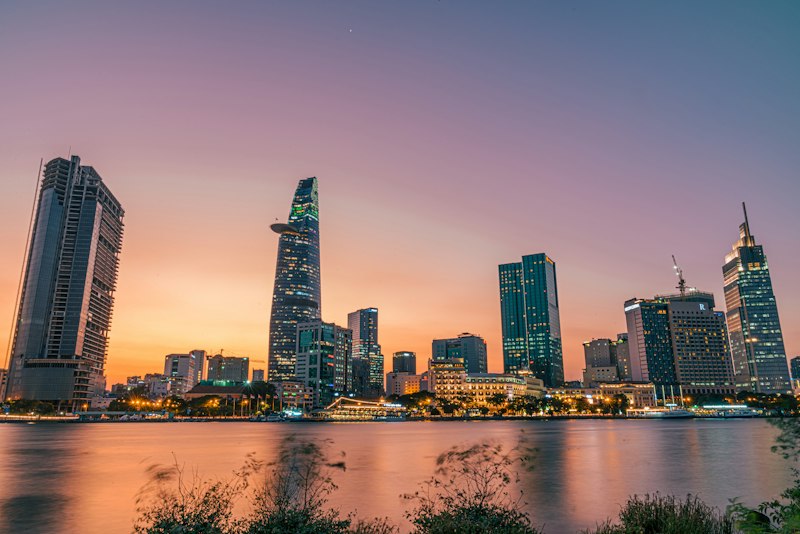
Ho Chi Minh City (still called Saigon by most) is Vietnam's economic powerhouse—a city of 10 million that never stops moving. For expats seeking energy, opportunity, and infrastructure, it is the default choice.
The job market is Vietnam's best. Multinationals, startups, English teaching positions, and entrepreneurial opportunities concentrate here. The business environment is more dynamic and international than anywhere else in the country.
District 2 (especially Thao Dien) is expat central—modern apartments, international restaurants, excellent cafes, and a family-friendly environment. District 1 offers downtown energy and walkability. District 7 provides planned suburban living around Phu My Hung. District 3 delivers more local character at lower prices.
The infrastructure serves expats well. International hospitals (FV, Vinmec), international schools, quality gyms, coworking spaces, and every amenity you might need. English is widely understood in expat areas.
The challenges are real: traffic is chaotic, air quality varies, and the pace can be exhausting. Summers are hot and humid with dramatic monsoon rains. But for those who thrive on urban energy, Saigon delivers like nowhere else in Vietnam.
Best for: Career-focused expats, entrepreneurs, digital nomads wanting urban environment, families needing full infrastructure, those who thrive in busy cities.
Hanoi: Culture and Tradition
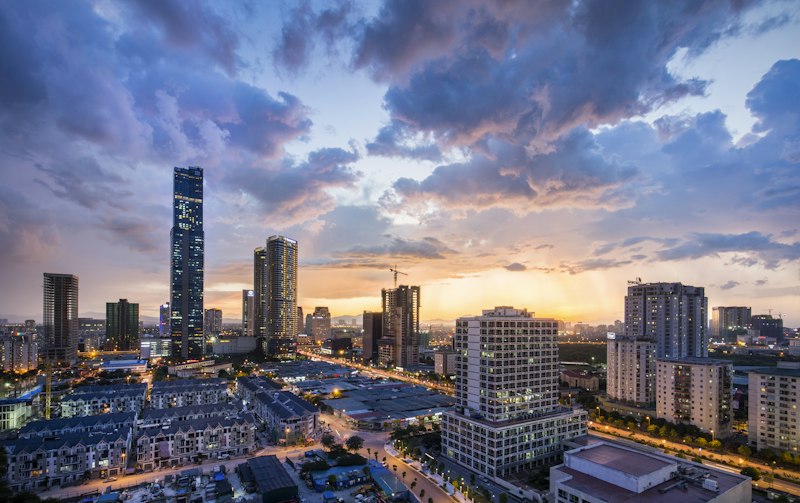
Hanoi is Vietnam's soul—a city of lakes, tree-lined boulevards, centuries-old temples, and a pace that values culture over commerce. For expats seeking depth and tradition, Hanoi offers what Saigon cannot.
The cultural richness is unmatched. The Old Quarter's 36 streets, each named for its traditional trade. The French colonial architecture. The pagodas and temples. Weekend mornings at Hoan Kiem Lake. Hanoi rewards exploration and reveals itself slowly.
Tay Ho (West Lake) is the primary expat area—spacious apartments overlooking the lake, international restaurants, and a community of long-term residents. Ba Dinh offers embassy district elegance. The Old Quarter provides immersion in Vietnamese life, though apartments are smaller and noisier.
The expat community is smaller and different from Saigon—more diplomats, NGO workers, journalists, and those specifically drawn to Vietnamese culture. English teaching remains a major expat occupation.
Weather in Hanoi has actual seasons—cool winters (15-20°C), hot humid summers, and air quality that can be challenging, especially in winter. Many expats prefer Hanoi's seasons to Saigon's eternal summer.
The challenges include less developed infrastructure than Saigon, colder winters than many expect, and air pollution that occasionally rivals the worst in Asia. The pace is slower—rewarding for some, frustrating for others.
Best for: Culture lovers, those seeking authentic Vietnamese experience, diplomats and NGO workers, retirees preferring calm, anyone who values depth over speed.
Deciding where to live is slow work, and most of the useful thinking happens away from the screen — walking, cooking, on a train. Audible's 30-day free trial — suits that stage: a few books about places you're considering, listened to before you commit to anything.
Affiliate disclosure: the Audible link above is an affiliate link. If you start a trial through it, Expat Blueprint may earn a small commission at no extra cost to you. It never changes what we recommend. Read the full disclosure.
If this is the part you keep circling back to, Find Your Place is the workbook we built around exactly that question — where fits my life? See how it works.
Da Nang: Beach City Rising
Da Nang has transformed from a transit point to Vietnam's most desirable beach city—offering ocean living with genuine urban amenities that other coastal towns lack.
The appeal is immediate: a long sandy beach (My Khe), modern infrastructure, clean streets, good hospitals, and a relaxed pace. The city works well—a claim few Vietnamese cities can make. Traffic is manageable, getting around is easy, and daily life feels smooth.
The digital nomad community has exploded here. Cafes with good wifi abound, coworking spaces have multiplied, and the cost of living remains very low. A beachside lifestyle that would cost thousands elsewhere is achievable for $1,000-1,500/month.
Expat infrastructure continues developing. Vinmec hospital provides quality care. International restaurants and grocery options have expanded. The community is growing but still manageable—you will recognize faces and build connections.
The monsoon season (September-February) brings significant rain and occasional typhoons. The rest of the year is excellent—warm but less humid than Saigon, with regular beach days possible year-round.
Limitations include fewer cultural attractions than Hanoi or Hoi An, limited nightlife compared to Saigon, and a smaller expat community. Career opportunities are limited—most expats are remote workers, retirees, or teachers.
Best for: Digital nomads, beach lovers, those seeking quality of life over career advancement, retirees wanting comfort and affordability, anyone prioritizing outdoor lifestyle.

Hoi An: Ancient Charm
Hoi An is Vietnam's most beautiful town—a UNESCO World Heritage site with lantern-lit streets, French colonial architecture, and a perfectly preserved ancient trading port. Many expats fall in love here.
The aesthetic appeal is undeniable. The Old Town glows at night with thousands of lanterns. The Thu Bon River provides romantic backdrops. The beach is 4km away. Tailors produce custom clothing at low prices. The food scene punches above its weight.
The expat community is established but small. Many long-term residents run cafes, restaurants, or remote businesses. The town attracts creatives, writers, and those who prioritize beauty in their daily environment.
Costs are low even by Vietnamese standards. Nice apartments run $350-600/month. Food is cheap and excellent. The main expenses are maintaining any lifestyle requiring Saigon or Hanoi amenities.
The limitations are significant for some. It is a small town with small-town dynamics. Healthcare is basic—serious issues require Da Nang (30 minutes) or further. Career opportunities are nearly nonexistent. The tourist economy dominates everything.
The weather matches Da Nang—rainy season is significant, with occasional flooding in the Old Town during peak monsoon. Summers are hot but the beach provides relief.
Best for: Creatives and artists, remote workers prioritizing beauty, retirees seeking charm over convenience, short-term stays to experience Vietnamese beauty, those comfortable with small-town life.

Nha Trang: Beach Resort Living
Nha Trang offers Vietnam's most developed beach resort scene—a long arc of beach, high-rise hotels, and a nightlife that runs later than most Vietnamese cities. It attracts a different crowd than Da Nang.
The beach is the main draw—a 6km stretch of sand in the heart of the city. Water sports, diving, and island trips are easily arranged. The coastal life is more accessible here than anywhere else in Vietnam.
The tourist economy shapes everything. Russian tourists dominated pre-pandemic, creating a distinctive atmosphere. Chinese and Korean visitors have grown. This brings international restaurants but also tourist-oriented pricing and development focused on visitors rather than residents.
Expat life is possible but different from other Vietnamese cities. The community is smaller and more transient. Long-term infrastructure—international hospitals, schools—is more limited than Saigon, Hanoi, or even Da Nang.
Costs are moderate—higher than smaller towns due to tourism but lower than major cities. Apartments with ocean views run $400-700/month. Food and entertainment vary widely between local and tourist-oriented options.
The vibe is more party-oriented than family-focused. Nightlife is active, beach bars are common, and the scene suits younger expats or those seeking active social environments. Less appealing for those wanting quiet or cultural depth.
Best for: Beach and water sports enthusiasts, younger expats enjoying nightlife, those working in tourism/hospitality, winter escapes from colder climates.
Beyond the main cities, Vietnam offers emerging destinations that attract specific types of expats seeking alternatives to the established hubs.
Phu Quoc is Vietnam's island paradise—now connected by international flights and developing rapidly. Beach resorts, fishing villages, and national park jungle coexist uneasily as development accelerates. Expats here are mostly tourism entrepreneurs or those seeking island isolation. Infrastructure is basic, healthcare limited, and the rainy season (July-September) is intense.
Dalat in the Central Highlands offers cool mountain air, flower gardens, and French colonial villas. The climate (15-25°C year-round) attracts those escaping tropical heat. A small expat community enjoys the pace, coffee culture, and unique atmosphere. Healthcare and international amenities are limited.
Quy Nhon is an emerging coastal option—beautiful beaches, authentic Vietnamese atmosphere, and very low costs. Almost no expat infrastructure exists, requiring self-sufficiency and Vietnamese language skills. Those who love it appreciate the lack of tourism and development.
Hue, the former imperial capital, offers history and culture rivaling Hanoi in a smaller package. The expat community is tiny but dedicated. Rainy weather (September-February) is challenging, and career opportunities are minimal.
Can Tho in the Mekong Delta provides authentic Vietnamese life far from tourist circuits. Floating markets, river culture, and genuine immersion appeal to those seeking the real Vietnam. Almost no expat infrastructure exists.
Best for: Adventurous spirits, retirees seeking unique environments, those with remote income and few infrastructure needs, people seeking genuine immersion.

Choosing Your Vietnamese Home
Vietnam rewards exploration. The country is affordable enough that spending time in multiple cities before committing is both possible and advisable.
Start with your priorities. Career needs point to Saigon. Cultural depth suggests Hanoi. Beach lifestyle means Da Nang or beyond. Budget often matters less than lifestyle fit—most of Vietnam is affordable.
Consider your adaptability honestly. Saigon and Da Nang are easier for newcomers with more international amenities and English. Hanoi requires more cultural adaptation. Smaller destinations demand Vietnamese language and self-sufficiency.
Think about climate carefully. Saigon is hot year-round. Hanoi has cold, grey winters. Da Nang and Nha Trang have significant monsoon seasons. Dalat offers mountain cool. Your climate tolerance affects daily happiness more than many factors.
Test before committing. Monthly rentals are easy to find. Spend at least a month in your top choices. Visit during different seasons if possible—monsoon changes everything in coastal cities.
Connect with expat communities before moving. Facebook groups for each city provide current information and help you understand the specific community you would join. Each city's expat population has distinct character.
Remember that Vietnam is rapidly changing. What was true two years ago may not apply today. Infrastructure improves, regulations shift, and communities evolve. Stay flexible and expect your relationship with Vietnam to develop over time.
Vietnam offers extraordinary value and adventure for those willing to embrace its energy and complexity. Choose your base wisely, build your community, and discover why so many expats find it hard to leave.
Written by
Carl S Moller
Founder & Editor, Expat Blueprint
Carl S Moller is the founder and sole editor of Expat Blueprint. He researches and writes every guide himself, working from immigration ministries, tax authorities, national statistics and recent first-hand reporting rather than claiming to have lived in all sixteen countries covered.
Keep the thread going
One reflective note every few weeks, and 20% off anything in the workbook shop the moment you sign up. The code is valid through 31 August 2026.
Unsubscribe any time. We never share your address. The 20% code is valid through 31 August 2026.