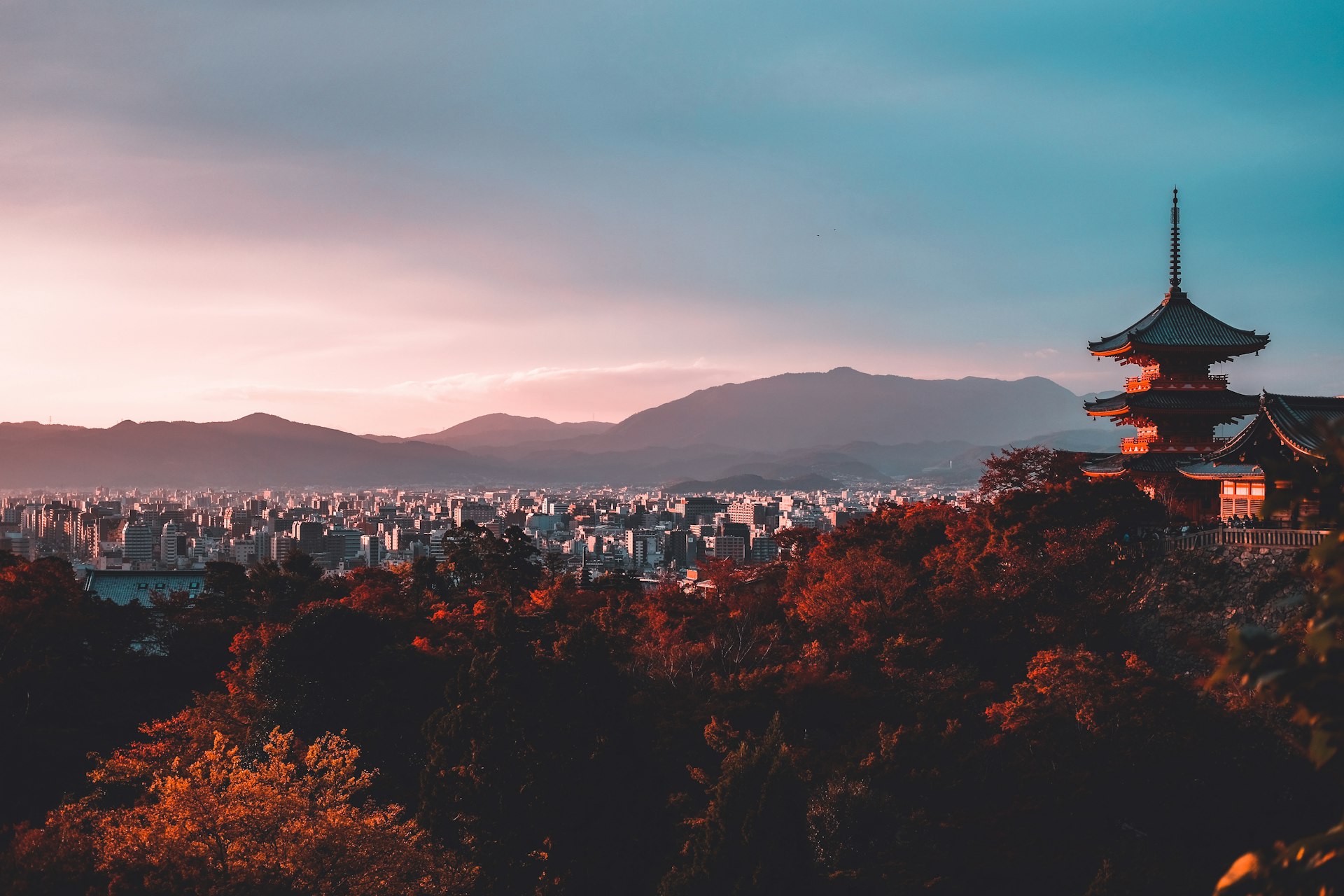
Best Cities in Japan for Expats: Where to Live in 2024
Tokyo, Osaka, Kyoto, or Fukuoka? Each Japanese city shapes expat life differently — career options, cost, culture, and daily rhythm compared honestly.
8 min read
Japan offers more variety than the Tokyo-centric world view suggests. From Hokkaido's snowy north to Okinawa's subtropical south, from hyper-urban Tokyo to the ancient streets of Kyoto, each region provides distinct living experiences. Where you land shapes not just daily life but the very nature of your Japan experience.
Quick Takeaways
- •Tokyo offers the most opportunities but at premium costs and intensity
- •Osaka provides major city life with more affordable costs and warmer local culture
- •Kyoto suits those prioritizing traditional culture and beauty
- •Fukuoka has emerged as the best balance of livability, cost, and opportunity
- •Regional cities offer excellent quality of life for those with remote work
- •Language barriers are real everywhere but most manageable in Tokyo
Most people considering Japan default to Tokyo without realizing the decision they're making. Tokyo is extraordinary—but it is also exhausting, expensive, and not representative of the country as a whole. The quieter truth that longtime residents understand is that Japan's regional cities often deliver a higher quality of daily life at dramatically lower cost, with cultural experiences that Tokyo's international veneer can actually obscure.
Choosing where to live in Japan shapes your entire experience more profoundly than in most countries. A Tokyo expat and a Fukuoka expat are effectively living in different worlds—different costs, different social dynamics, different relationships with Japanese culture. This guide examines each major option honestly, including the trade-offs that promotional materials conveniently omit, so you can match your choice to what you actually want from life in Japan.
Tokyo: The Overwhelming Capital
Tokyo is not just Japan's capital—it is a world unto itself. With 14 million people in the city proper and 37 million in greater Tokyo, it offers everything imaginable while demanding adaptation to its intensity.
The job market is Japan's best by far. Most international companies base here. English-teaching opportunities are abundant. Tech, finance, and creative industries concentrate in the capital. For career-focused expats, Tokyo often is the only realistic choice.
The city functions as many cities. Shibuya and Shinjuku pulse with youth energy. Marunouchi and Ginza are corporate and upscale. Shimokitazawa and Nakano offer subculture depth. Each area has distinct character—choosing your neighborhood matters enormously.
Costs are high but manageable outside central areas. Yes, a Shibuya apartment is expensive. But eastern Tokyo—Kinshicho, Kameido, or beyond—offers functional living at reasonable costs with excellent train access. The city rewards exploration of less obvious areas.
The expat community is large and diverse. English-speaking services exist. International schools operate. Support systems for newcomers are established. Tokyo is Japan's most forgiving city for those still learning the culture and language.
The intensity is relentless. Crowds, noise, pace—Tokyo never stops. Some thrive on this energy; others find it exhausting. Know yourself before committing. Weekend escapes to mountains or coast are essential for many Tokyo residents.
Best for: Career-focused expats, those needing job opportunities, people who thrive on urban intensity, families requiring international schools and established expat infrastructure.
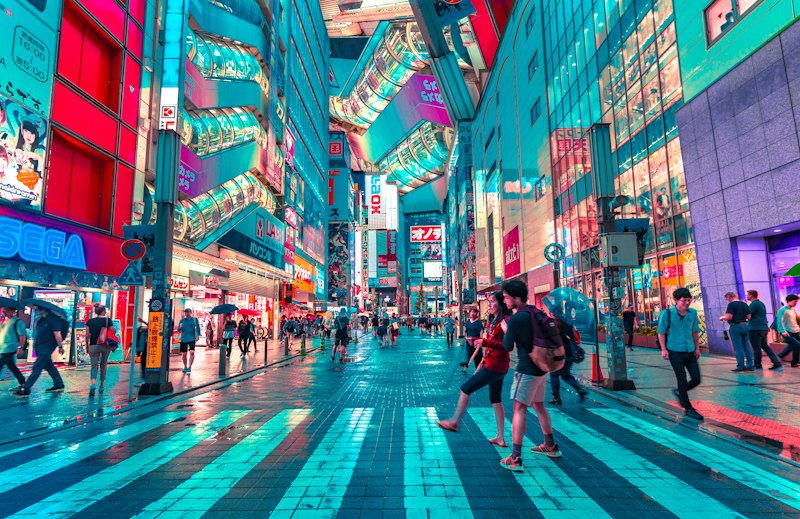
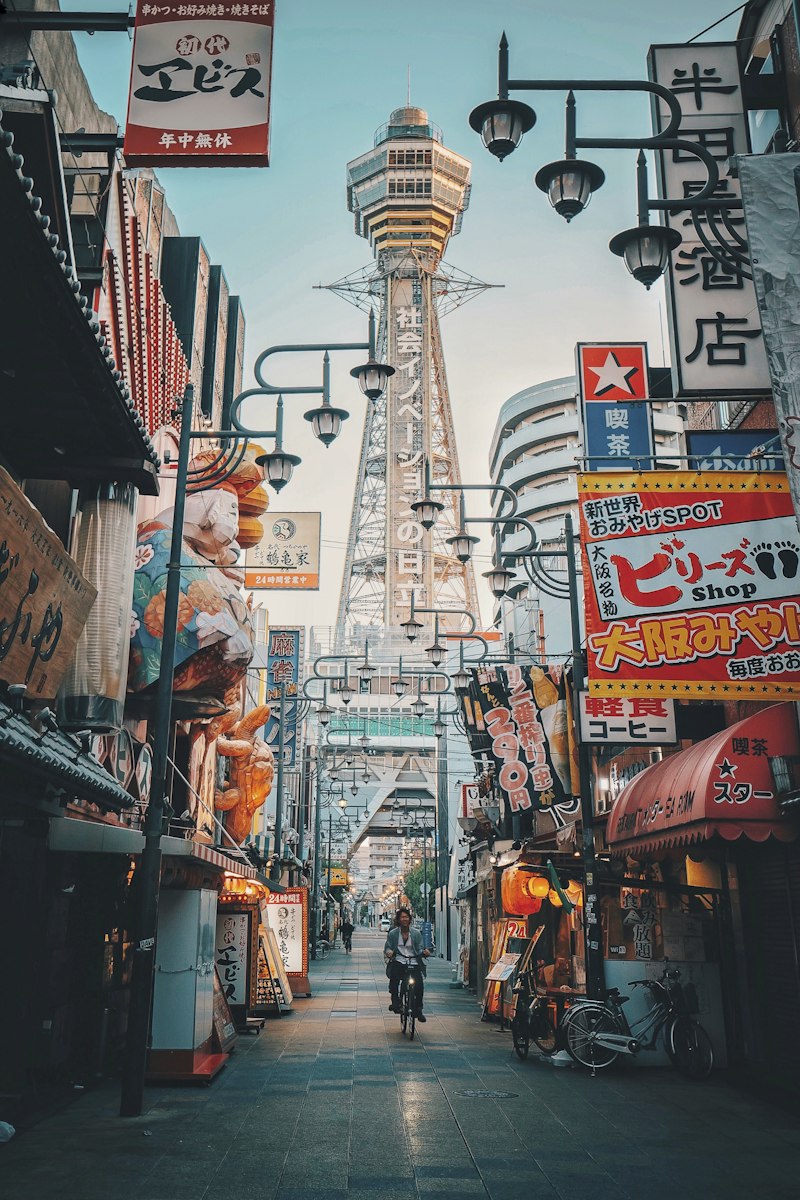
Osaka: Japan's More Approachable Metropolis
Osaka is Japan's second city and, in many ways, its most welcoming. The culture here is warmer, more direct, and less formal than Tokyo—easier for many foreigners to connect with.
Osakans have a reputation for friendliness and humor. The local culture values straightforwardness and lacks Tokyo's reserve. People actually talk to strangers. Shopkeepers banter. The social environment feels more accessible.
Food culture defines Osaka identity. Takoyaki, okonomiyaki, kushikatsu—Osaka is Japan's kitchen. The eating scene is excellent and affordable. Food is central to social life here in ways that feel natural to many foreigners.
Costs run 30-40% below Tokyo for housing with comparable quality. Central Osaka neighborhoods like Namba, Shinsaibashi, or Umeda offer urban living at manageable prices. Suburban options expand choices further.
Job opportunities lag Tokyo but are growing. The Kansai region (Osaka, Kyoto, Kobe combined) forms Japan's second economic center. Teaching positions are abundant. Tech and business opportunities exist, particularly for those with Japanese ability.
Kansai region access is a major benefit. Kyoto is 30 minutes away. Kobe is 20 minutes. Nara takes 45 minutes. Living in Osaka provides weekend access to Japan's cultural heartland without Tokyo's distance from these treasures.
Best for: Those wanting major city life with more accessible culture, food enthusiasts, expats who find Tokyo too intense or expensive, anyone prioritizing Kansai region exploration.
Deciding where to live is slow work, and most of the useful thinking happens away from the screen — walking, cooking, on a train. Audible's 30-day free trial — suits that stage: a few books about places you're considering, listened to before you commit to anything.
Affiliate disclosure: the Audible link above is an affiliate link. If you start a trial through it, Expat Blueprint may earn a small commission at no extra cost to you. It never changes what we recommend. Read the full disclosure.
If this is the part you keep circling back to, Find Your Place is the workbook we built around exactly that question — where fits my life? See how it works.
Kyoto: Living in Japan's Cultural Heart
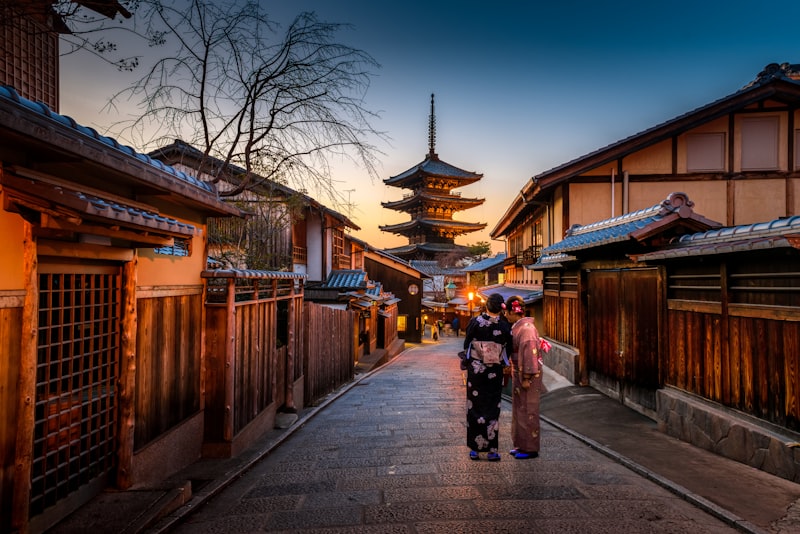
Kyoto was Japan's capital for over a millennium, and its concentration of temples, shrines, and traditional culture is unmatched. Living here means daily immersion in the Japan of imagination.
The beauty is ever-present. Morning walks past ancient temples. Seasonal changes marked by cherry blossoms and autumn leaves. Traditional wooden machiya townhouses lining quiet streets. Kyoto provides what many seek when dreaming of Japan.
Tourism is both blessing and curse. Major sites are crowded; this is undeniable. But residents learn the back streets, the early morning hours, the neighborhood temples tourists skip. Living here differs from visiting.
The city is manageable in size. Bicycles work well for most transportation. The compact nature means walkable neighborhoods with distinct character. This human scale distinguishes Kyoto from Tokyo or Osaka.
Traditional arts and crafts remain alive here. Tea ceremony, ikebana, pottery, textiles—Kyoto is where to study traditional Japanese arts seriously. Artisan communities welcome dedicated students.
Job opportunities are limited. Teaching remains the main expat occupation. Remote work has expanded possibilities. Kyoto University provides some academic opportunities. But those needing career development often commute to Osaka.
Kyoto residents are known for reserve—more than even Tokyo's reputation. The old capital's formality can feel cold initially. Integration takes time and effort.
Best for: Culture enthusiasts, traditional arts students, those prioritizing beauty over career, remote workers with location flexibility, anyone seeking Japan's historical and spiritual depth.
Fukuoka: Japan's Most Livable City
Fukuoka consistently ranks as Japan's most livable city, and expats increasingly discover what residents have long known—this city offers exceptional quality of life at reasonable costs.
The city combines urban sophistication with manageable scale. A population of 1.6 million provides genuine city life without Tokyo's overwhelming intensity. The compact center is walkable and bike-friendly.
Location advantages are significant. Beaches are accessible within the city. Mountains are nearby. Korea and other Asian destinations are closer than Tokyo. The airport is ridiculously convenient—10 minutes from downtown by subway.
Food culture rivals Osaka. Hakata ramen is Fukuoka's famous contribution, but the food scene extends far beyond. Yatai (street food stalls) lining the river create unique dining atmosphere found nowhere else in Japan.
Costs are dramatically lower than Tokyo. Housing runs 40-50% less for equivalent quality. A comfortable lifestyle is achievable at budgets that would feel tight in the capital.
The startup scene has developed significantly. Fukuoka was designated a National Strategic Special Zone for startups, bringing government support and emerging tech community. This creates opportunities beyond traditional expat employment.
The local culture is warm and welcoming—Kyushu hospitality is famous throughout Japan. Integration feels easier than in more reserved regions.
Best for: Quality of life prioritizers, remote workers seeking affordable Japanese living, startup enthusiasts, those wanting city life without Tokyo intensity, families seeking space and value.
Regional Alternatives: Hidden Japan and choosing Your Japanese Home
Beyond the major cities, Japan offers regional options that provide excellent quality of life for those with remote work or specific circumstances.
Sapporo and Hokkaido offer distinct seasons and natural beauty. Cold winters attract those who love snow and skiing. Summer provides escape from the mainland's humidity. Costs are low, nature is accessible, and the frontier history creates a different Japanese atmosphere.
Sendai provides the best of Tohoku—a million-person city with genuine four seasons, access to mountains and coast, and costs well below major metros. The post-2011 recovery has brought renewal and opportunity.
Hiroshima and the Seto Inland Sea region offer mild climate, historical significance, and access to beautiful islands. The city itself is pleasant and affordable. Proximity to Osaka and Fukuoka by Shinkansen keeps connections accessible.
Nagoya sits between Tokyo and Osaka on the Shinkansen line, offering industrial economy, relatively low costs, and somewhat overlooked urban life. Less exciting than its neighbors but practical for certain needs.
Okinawa provides subtropical Japan—essentially a different climate zone. Beach access, distinct Ryukyuan culture, and American military presence create unique atmosphere. Lower costs but also fewer career opportunities and significant humidity.
Remote work has transformed regional possibilities. Cities that previously could not sustain expat careers now work for those with location-independent income. This expansion of viable options continues.
Best for: Remote workers with flexibility, those seeking nature access, budget-conscious expats, anyone willing to trade urban excitement for quality of life.
Selecting a city in Japan requires balancing career needs, lifestyle preferences, and honest assessment of your Japan goals.
Career-dependent: If you need employment in Japan without strong Japanese language skills, Tokyo is often the only realistic option. Some teaching positions exist elsewhere, but professional careers concentrate in the capital.
Remote work capable: The entire country opens up. Consider what you want from Japan—cultural depth (Kyoto), quality of life (Fukuoka), nature access (Hokkaido), or vibrant urban life (Osaka).
Language learning focused: Smaller cities force immersion. Tokyo's English accessibility can delay Japanese acquisition. If language is a priority, consider locations where English is not a crutch.
Family considerations: Tokyo offers international schools and established expat support. Regional cities provide more space and lower costs but fewer English-language resources. Your children's needs shape the calculation significantly.
Test before committing. Japan's visa system allows temporary stays for exploration. Spend time in candidate cities during different seasons. Tokyo's summer and winter feel very different. Kyoto's tourist crowds vary seasonally. Experience matters.
Internal moves are possible. Many expats start in Tokyo for work or orientation, then relocate as they understand the country and their preferences. First choice need not be permanent.
Consider the pace you need. Tokyo's intensity suits some personalities and exhausts others. Know yourself and choose accordingly. Japan rewards those in environments that fit their nature.
Finding Your Place in Japan
Japan's variety exceeds its small geography. Each city offers a different Japan—and thus a different expat experience.
Start with honest assessment. What do you need from Japan? Career development points to Tokyo. Cultural immersion suggests Kyoto. Quality of life leads to Fukuoka. Budget constraints open regional options.
Language shapes experience. Basic Japanese transforms life anywhere. Advanced Japanese opens everything. Consider how your language trajectory interacts with city choice.
Visit before committing. Experience matters more than research for cities. Spend time in top candidates. Walk the neighborhoods, ride the trains, feel the atmosphere. Trust your reactions.
Consider regional mobility. Japan's excellent transportation makes weekend exploration easy from most cities. Living in Osaka provides Kyoto and Kobe access. Fukuoka connects to Kyushu's diversity. Tokyo offers mountains and coast within day-trip range.
Embrace the possibility of change. Many expats relocate within Japan as they understand their preferences. The first city is a starting point, not necessarily a destination.
Japan rewards patience and openness. Wherever you land, the country reveals itself gradually. Choose a city that matches your needs, then give yourself time to discover what makes it home.
Written by
Carl S Moller
Founder & Editor, Expat Blueprint
Carl S Moller is the founder and sole editor of Expat Blueprint. He researches and writes every guide himself, working from immigration ministries, tax authorities, national statistics and recent first-hand reporting rather than claiming to have lived in all sixteen countries covered.
Keep the thread going
One reflective note every few weeks, and 20% off anything in the workbook shop the moment you sign up. The code is valid through 31 August 2026.
Unsubscribe any time. We never share your address. The 20% code is valid through 31 August 2026.