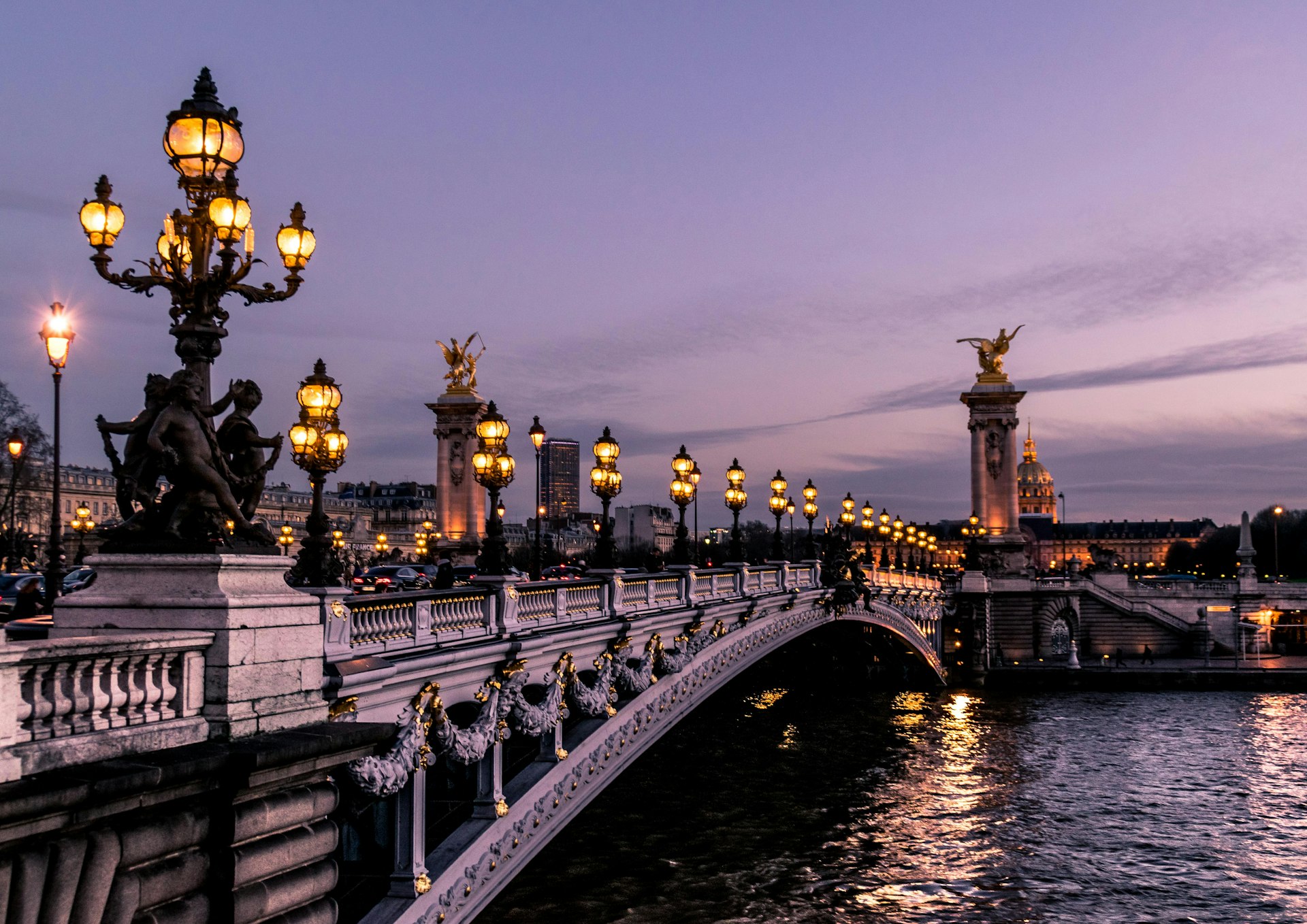
Living in France: Which City Fits Your Expat Life in 2024
Paris gets the attention, but Lyon, Toulouse, Bordeaux, and Marseille offer expats distinct combinations of cost, culture, climate, and career access worth.
8 min read
France offers far more than Paris—though Paris certainly has its place. From the gastronomic capital of Lyon to the Mediterranean warmth of Montpellier, the elegance of Bordeaux to the vibrancy of Marseille, each French city offers a distinct interpretation of the art de vivre. Choosing the right one shapes your entire French experience.
Quick Takeaways
- •Paris offers unmatched culture and opportunity but at premium costs
- •Lyon provides the best balance of size, culture, food, and affordability
- •Bordeaux attracts expats seeking elegance, wine country, and Atlantic access
- •Southern cities offer Mediterranean lifestyle at lower costs than the Côte d'Azur
- •Smaller cities and towns provide exceptional quality of life for those embracing French immersion
- •Remote work has opened previously impractical locations to international residents
France's geography shapes its cities more profoundly than most countries. The distance between the rainy Atlantic coast and the sun-drenched Mediterranean, between the flat plains of the north and the Alpine peaks of the east, creates not just different climates but different cultures, economies, and daily rhythms. Choosing where to live in France is not a secondary decision—it determines the texture of your entire experience.
The centrality of Paris in French life means that most expats default to the capital without fully considering alternatives that might suit them better. Yet France's regional cities have undergone remarkable transformation in recent decades, developing cultural scenes, international connectivity, and quality of life that rival Paris in many respects at significantly lower cost. Understanding these options before committing is the single most valuable investment of time a prospective expat can make.
Paris: The Eternal Magnet
Paris needs no introduction—it is why many people consider France at all. The question is whether Paris is right for your specific situation.
The case for Paris is compelling. Cultural offerings are unmatched—world-class museums, theaters, concert halls, and galleries. Career opportunities in every field. International community making the transition easier. Direct flights everywhere. A city that never stops revealing new layers.
The case against Paris is equally real. Costs are brutal—€1,500-2,200/month for a small apartment in a decent arrondissement. The pace is intense. Parisians have a reputation for coldness that, while overstated, contains truth. Summer empties the city; August Paris is a ghost town.
Paris works best for: Young professionals building careers. Culture addicts who need constant stimulation. Those whose work requires a major European hub. People who thrive on urban intensity.
Paris works less well for: Families seeking space and calm. Budget-conscious expats. Those wanting quick integration into French life. Anyone prioritizing outdoor lifestyle.
Within Paris, arrondissement choice matters enormously. The Marais (3rd-4th) offers central charm. Montmartre (18th) provides village atmosphere. The 11th and 20th attract younger, creative populations. The 16th and 7th are established and expensive. Research neighborhoods as carefully as you would cities.

Lyon: France's Secret Capital
Lyon is France's best-kept secret among major cities—a place that combines genuine French culture with livability that Paris cannot match.
The gastronomy capital of France is not an empty title. Lyon's bouchons serve traditional cuisine that defines French comfort food. The market scene is exceptional. The wine regions—Beaujolais, Côtes du Rhône—surround the city. Food is not just consumption here; it is identity.
The city functions beautifully. Two rivers (Rhône and Saône) create distinctive neighborhoods. The Presqu'île offers urban elegance. Croix-Rousse provides bohemian village atmosphere. The Confluence district represents modern redevelopment done well. Public transport is excellent.
Costs run roughly 40% below Paris for equivalent quality. A nice one-bedroom costs €900-1,300. Restaurant dining is affordable given the quality. Cultural activities are abundant and accessible.
The international community is smaller than Paris but established and welcoming. English-speaking jobs exist, particularly in pharma, biotech, and international organizations. The proximity to Geneva (2 hours by TGV) expands professional options.
Lyon's climate offers four distinct seasons—proper winters with occasional snow, warm but not extreme summers. The Alps are 90 minutes away for skiing; the Mediterranean 3 hours for beach weekends.
Best for: Foodies seeking the heart of French cuisine. Professionals wanting major city careers without Paris costs. Families appreciating culture with space. Anyone seeking balanced, livable French urban life.
Deciding where to live is slow work, and most of the useful thinking happens away from the screen — walking, cooking, on a train. Audible's 30-day free trial — suits that stage: a few books about places you're considering, listened to before you commit to anything.
Affiliate disclosure: the Audible link above is an affiliate link. If you start a trial through it, Expat Blueprint may earn a small commission at no extra cost to you. It never changes what we recommend. Read the full disclosure.
If this is the part you keep circling back to, Find Your Place is the workbook we built around exactly that question — where fits my life? See how it works.
Bordeaux: Elegance and Wine Country
Bordeaux has transformed from sleepy wine capital to dynamic city—accelerated by the TGV connection that puts Paris just 2 hours away. The result is a city balancing historic elegance with contemporary energy.
The urban core is stunning. Golden limestone buildings, renovated riverfront, pedestrian-friendly center—UNESCO recognized the ensemble for good reason. The city is manageable on foot or by tram, with a human scale that Paris lacks.
Wine country is the obvious draw. Saint-Émilion, Margaux, Pauillac—legendary appellations within easy driving distance. Weekend wine tasting becomes a lifestyle, not a special occasion. The wine culture permeates daily life, from shop selections to restaurant lists.
The Atlantic coast is accessible—an hour to beaches at Arcachon and beyond. The Basque Country and Spain are weekend-trip distance. The combination of urban sophistication and natural access is compelling.
Costs have risen with the city's popularity but remain below Paris. Expect €800-1,200 for a one-bedroom in good neighborhoods. The job market is growing but still limited compared to Paris or Lyon—remote workers and retirees form significant portions of the expat community.
The climate is Atlantic—mild but wet. Summers are pleasant, rarely extreme. Winters are gray and damp. Sunshine seekers should consider southern options.
Best for: Wine lovers who want to live their passion. Professionals seeking quality of life with Paris accessibility. Families wanting elegant, safe urban environment. Anyone prioritizing aesthetics in daily surroundings.

Southern France: Mediterranean Life
The South of France conjures images of glamour—Nice, Cannes, Saint-Tropez. But southern France offers far more variety than the Côte d'Azur, with options for every budget and preference.
Montpellier is the South's emerging star. Young, vibrant, and affordable, it combines Mediterranean climate with cultural energy. The historic center is beautiful, the beach is accessible, and costs remain reasonable (€700-1,000 for a one-bedroom). The expat community is growing rapidly.
Toulouse, the aerospace capital, offers pink-brick elegance and southwestern charm. Less Mediterranean in feel, it combines major city infrastructure with manageable costs. The Pyrenees and Spain are accessible for weekend adventures.
Marseille divides opinion but rewards the adventurous. France's oldest city is gritty, diverse, and intensely Mediterranean. The calanques offer stunning natural beauty. Costs are low for a major city. The experience is not for everyone but devotees are passionate.
Aix-en-Provence provides refined Provençal living—fountains, markets, Cézanne's light—at a premium. It is the traditional choice for those seeking bourgeois southern comfort. Smaller than a major city, larger than a village.
Nice and the Côte d'Azur remain expensive but offer lifestyle that justifies costs for some. The climate is France's best. The beauty is undeniable. The international community is well-established. Budget accordingly.
Best for: Those prioritizing climate and outdoor lifestyle. Retirees seeking comfortable southern living. Artists and creatives drawn to the light. Anyone for whom Mediterranean culture resonates.
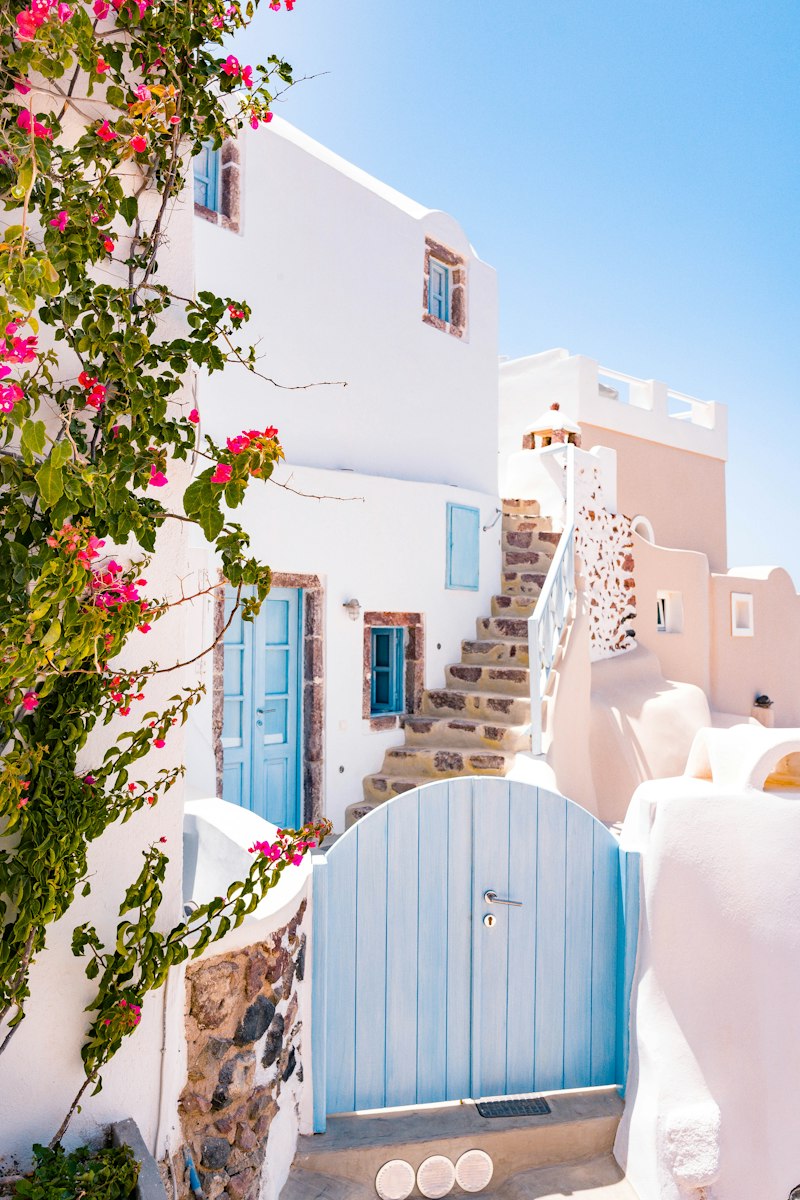
Smaller Cities and Hidden Gems and matching Your Life to French Geography
Beyond the major cities, France offers smaller options that provide exceptional quality of life for those willing to embrace deeper French immersion.
Nantes consistently ranks among France's most livable cities. Creative energy, cultural innovation, and Atlantic access combine with costs well below Paris. The city has reinvented itself post-industrial, attracting young families and creative professionals.
Strasbourg offers Franco-German culture at the Rhine. European Parliament presence brings international community. The Christmas markets are legendary. Architecture mixes Germanic and French influences uniquely.
Rennes provides Breton character with university energy. Celtic culture influences everything from music to food. The coast is close. Costs are very reasonable. The English-speaking community is small but the quality of life high.
Annecy, at its alpine lake, offers what might be France's most beautiful setting. The old town is postcard-perfect. Outdoor lifestyle—skiing, hiking, water sports—is exceptional. Premium pricing reflects the desirability, but those who can afford it describe a quality of daily life that justifies every euro—morning runs along the lake, weekend skiing in under an hour, and a culinary scene that punches well above its size.
Smaller still, towns like Arles, Colmar, Avignon, and countless others offer genuine French life at costs that seem impossible from a Paris perspective. A comfortable apartment in Arles rents for what a modest studio commands in the Marais, and the quality of daily life—markets, restaurants, cultural events—remains remarkably high despite the price difference. Remote work has made these newly viable for international residents, and municipal governments across France are actively courting remote workers with coworking spaces, fiber internet initiatives, and even relocation incentives in some cases.
The trade-off is always English access. Smaller cities have smaller international communities. French language becomes not just useful but essential. For some, this is precisely the point—full immersion in French life. For others, it is a barrier.
Choosing a French city requires honest assessment of priorities—and accepting that trade-offs are inevitable.
Beyond Smaller: The Deeper Layer
Career-focused: Paris or Lyon offer the strongest job markets. Bordeaux and Toulouse have niches. Remote work opens everything else.
Budget-focused: Smaller cities in the Southwest, Brittany, or less-famous southern locations offer the best value. Avoid the Côte d'Azur and Paris unless budget is secondary.
Family-focused: Lyon, Nantes, and Bordeaux combine family-friendly infrastructure with reasonable costs. Paris works with sufficient budget for space.
Climate-focused: The South obviously, but consider the difference between Mediterranean (hot, dry summers) and Atlantic (milder, wetter). Both are improvements over northern Europe.
Culture-focused: Paris remains unmatched. Lyon provides similar richness more accessibly. Provincial cities have their own cultural lives, often richer than size suggests.
Integration-focused: Smaller cities force French immersion. Paris's international bubble can delay language acquisition and cultural integration.
Test before committing. Spend extended time in top choices across different seasons. The France of August vacation differs from the France of February daily life. Short-term rentals, though expensive, prevent costly wrong choices.
Finding Your French Home
France rewards patience in the search. The country's diversity means almost any preference can be satisfied—but finding the right match takes exploration.
Start broad, then narrow. Visit multiple regions before fixating on one city. The France you imagine may not match the France that suits you. Many expats end up somewhere they never initially considered.
Consider the practicalities alongside the romance. Healthcare access varies by region. International schools concentrate in certain cities. Airport connections matter for those traveling frequently. The TGV network shapes what is accessible for weekend exploration.
Language shapes experience dramatically. Paris functions in English (up to a point). Smaller cities and towns require French. Be honest about your language commitment when choosing location.
Think about seasons. A city that is magical in May may be gray in February. Mediterranean warmth trades for summer tourist crowds. Alpine winters are long. Match climate to your tolerance and preferences.
Remember that moving within France is possible. Your first choice does not have to be permanent. Many expats start in Paris for access and transition to provincial France as they learn the country and language.
France offers something increasingly rare: genuine regional diversity within one country. Embrace this gift by choosing not just France, but the specific French life that matches who you are.
Written by
Carl S Moller
Founder & Editor, Expat Blueprint
Carl S Moller is the founder and sole editor of Expat Blueprint. He researches and writes every guide himself, working from immigration ministries, tax authorities, national statistics and recent first-hand reporting rather than claiming to have lived in all sixteen countries covered.
Keep the thread going
One reflective note every few weeks, and 20% off anything in the workbook shop the moment you sign up. The code is valid through 31 August 2026.
Unsubscribe any time. We never share your address. The 20% code is valid through 31 August 2026.