Living in France as an Expat
Beyond Paris lies a country of diverse regions, each with distinct character, from Provence's lavender fields to Brittany's rugged coast.
What You Need to Know
France is the country foreigners most often think they are moving to and most often discover they are moving to a different version of, somewhere around the end of the first year. The mental image — Paris in the autumn light, a small village in Provence, the bakery on the corner, the long lunches and the unhurried conversations — is real, but it sits inside a much larger and more demanding country than the relocation brochures suggest. France is not a lifestyle product. It is a republic with a strong state, a long memory, a complicated relationship with foreigners, and a daily texture that rewards engagement and quietly punishes the assumption that things will adapt to you. The expats who do well here are the ones who absorb that early.
The first useful adjustment is to stop thinking of France as primarily Paris. The capital is roughly twelve million people in its metropolitan area, the political and economic center of gravity, and the most internationally legible part of the country, but it is not representative. Lyon, Marseille, Bordeaux, Toulouse, Nantes, Lille, Strasbourg, Nice, and Montpellier are each substantial cities with their own labor markets, housing dynamics, and identities, and the small-town France of the southwest, Brittany, the Alps, and the depopulating central regions is where many of the most interesting relocations actually happen. The cost gap between Paris and the rest is large enough that the same household income produces meaningfully different lives in different parts of the country, and choosing where in France to live matters considerably more than choosing France itself. The honest regional breakdown sits in the best cities and regions guide, which is more candid about the trade-offs than most coverage you will read.
The bureaucratic reputation is earned but partial. France has a famously paper-bound administration, the prefecture is a place to be approached with patience and the right dossier, and the demand for translated and apostilled documents is constant. The flip side is that the system is unusually consistent once you understand it. The rules are written down, they are largely applied, and the workers inside the system are mostly trying to do their jobs within constraints they did not design. The recent expansion of digital services through France Connect has improved many ordinary tasks, even if the residency renewal experience remains an exercise in scheduled humility. The visa landscape itself is mature and broad — the visitor visa for the financially independent, the talent passport for skilled workers and entrepreneurs, the long-running family-reunification routes, the student visa with its surprisingly favorable post-study work rights, and the various employment-sponsored pathways together cover most plausible profiles. The full picture of which visa actually fits which life situation, including the post-Brexit recalibration for British arrivals, sits in the visas and residency guide.
Cost in France is best understood as a tale of three countries. Paris and the inner Île-de-France are genuinely expensive — housing in particular has decoupled from local salaries to a degree that is now politically destabilizing. The major regional cities are in a middle band, with Lyon, Bordeaux, and Nice noticeably more expensive than Toulouse, Nantes, or Strasbourg, and Marseille operating in its own category for reasons that are partly economic and partly historical. Outside the metropolitan cores, France becomes affordable in a way that surprises almost everyone — a four-bedroom house in a Dordogne village can still cost less than a small Paris studio, and the smaller towns of the southwest and center retain housing math that has not really existed in southern England or coastal Spain for two decades. Daily costs outside of housing are reasonable if you shop and eat the way the French do — at the market, at the boulangerie, at the small fixed-price lunch — and expensive if you try to reproduce a Northern European or American lifestyle on French soil. Utilities, particularly electricity, have risen sharply in recent years and now matter as a real planning variable. The full cost picture, including the often-overlooked annual taxes, the social-charge layer on income, and the real cost of running a car in a country with high fuel prices and selective tolls, is in the cost of living guide.
France runs well in the areas of daily life that matter most to ordinary residents. The TGV high-speed rail network is one of the world's best and makes most domestic flying obsolete. Local public transport in the major cities is genuinely excellent. Internet is fast and competitive almost everywhere, including small towns, where fiber rollout has been more aggressive than in most comparable countries. The road network is well maintained. The healthcare system is widely considered one of the best in the world, with universal coverage through Assurance Maladie, strong primary care, capable hospitals, and a complementary private layer (the mutuelle) that most residents carry on top of public coverage. Wait times for non-urgent specialist care can be long, particularly in the so-called medical deserts of rural France, but the overall system delivers high-quality care at a fraction of American costs and with less rationing than the British model. The honest accounting of how the system actually works for foreigners, when the mutuelle genuinely matters, and where the geographic gaps are real, is in the healthcare and quality-of-life guide.
The French day is more structured than its Mediterranean neighbors but slower than its Northern European ones. Lunch is taken seriously and often eaten in restaurants at fixed-price formules that remain one of the great daily bargains of Western Europe. Dinner is later than in Britain or Germany but earlier than in Spain or Italy, generally around eight. Shops in smaller towns still close for the lunch hour, and Sunday remains a genuinely quiet day across most of the country, with retail closure rules that have been softened in recent years but not abandoned. The aperitif hour exists but is more domestic than in Italy. The school day, the lunch break, and the weekly market shape the rhythm of family life in ways that take some adjustment but tend to become valued rather than merely tolerated. The texture of all this — what a French week actually feels like across the seasons, including the August exodus in which Paris empties and the country relocates to the coast and the mountains — is in the daily life and culture guide.
Work for foreigners in France is more accessible than in most southern European countries but still demands fluent French for most local roles. The labor market is rigid by Anglo-Saxon standards, salaries are lower than equivalent positions in London or major American cities, and the social-charge structure on both employers and employees is heavy by international comparison. The compensating realities are substantial — five weeks of statutory paid leave, strong job protections, a meaningful safety net, and a culture that genuinely treats work as one part of life rather than its organizing principle. Self-employment through the auto-entrepreneur regime works well for low-to-moderate income and becomes administratively heavier as you scale. The French tech and startup scene, particularly in Paris and Station F's orbit, is real and growing. English-language professional roles concentrate in Paris and a handful of regional centers. The honest picture of what working in France actually pays, what the social-charge math really looks like, and where the genuine professional opportunities for foreigners exist, is in the working and income guide.
For families, France offers one of the most child-supportive policy environments in the developed world. The crèche system, the école maternelle from age three, the structured school day, the family allowances, and the broad cultural assumption that children are part of public life all combine into something that families arriving from less child-supportive countries genuinely struggle to believe at first. The school system is broadly safe, broadly free, and academically demanding in a way that suits some children very well and stresses others. International schools exist in the major cities and are competitive in cost compared to similar offerings in London or Singapore, but the question of whether to commit children to the French system or maintain a parallel international track has long-term implications that deserve careful thought. The deeper analysis, including how the French curriculum handles bilingual children, what the lycée international option actually delivers, and when the international route makes sense versus when it locks a family into a specific exit path, is in the families and long-term living guide.
The risks are worth naming clearly. The political environment has been unstable in ways that affect daily life — recurring strikes, periodic civil unrest in the banlieues and increasingly in central Paris, and a national conversation about immigration and identity that has hardened in recent years. Housing pressure in Paris and on the Mediterranean coast is severe and politically charged. The French language is non-negotiable for genuine integration; English will get you through tourist transactions and certain professional environments, but a life in France without serious French is a life lived behind glass. Bureaucracy, while consistent, is real and time-consuming. The summer heat in the south is becoming a planning variable rather than a weather note, and many older French apartments are not built for the climate they now experience. Tax residency in France is comprehensive once it attaches, and the wealth tax on real estate, the capital-gains regime, and the inheritance rules all need to be understood early rather than discovered late by anyone with significant assets.
What France offers in exchange is one of the most fully realized national lives available in Europe — a country with a strong sense of itself, a daily culture that takes pleasure seriously, infrastructure that mostly works, public services that genuinely function, and a cultural life that compounds the longer you stay. The expats who thrive here are the ones who arrive with realistic expectations about the bureaucracy and the language, who treat French insistence on form as something to learn from rather than complain about, who choose their region carefully, and who let the country reveal itself at its own pace. France is not a lifestyle. It is a country, with all the weight that word carries, and the people who do well here are the ones who wanted exactly that.
The rest of this guide takes those threads further. Who tends to land well here and who tends to bounce off, what the cost math actually looks like across the regions and income levels, how the visa and tax landscape has shifted in recent years, what daily life feels like through a full French year, and where families have realistic options versus where the apparent options collapse on closer inspection. Read the sections that match your own decision points. The order of the guide is editorial; the order in which you read it is yours.
Who Typically Moves Here and Why
France attracts expats with diverse motivations, though certain patterns emerge. Understanding who flourishes here helps calibrate your own prospects.
Retirees form a substantial group, particularly in rural areas and the South. The combination of lifestyle, climate (in the South), excellent healthcare, and genuine community appeals to those with stable incomes seeking quality over quantity. Many settle in areas where property costs remain accessible and life unfolds at humane pace.
Creative professionals have long found France hospitable—writers, artists, musicians drawn by the cultural seriousness and the tradition of valuing such work. Paris remains magnetic for those in creative fields, though smaller cities increasingly offer viable alternatives without the capital's intensity and cost.
Remote workers and digital nomads are discovering France more recently. The infrastructure is excellent, cities like Lyon, Bordeaux, and Toulouse offer cosmopolitan life without Paris prices, and the quality of daily existence—food, wine, beauty—enhances work-life integration.
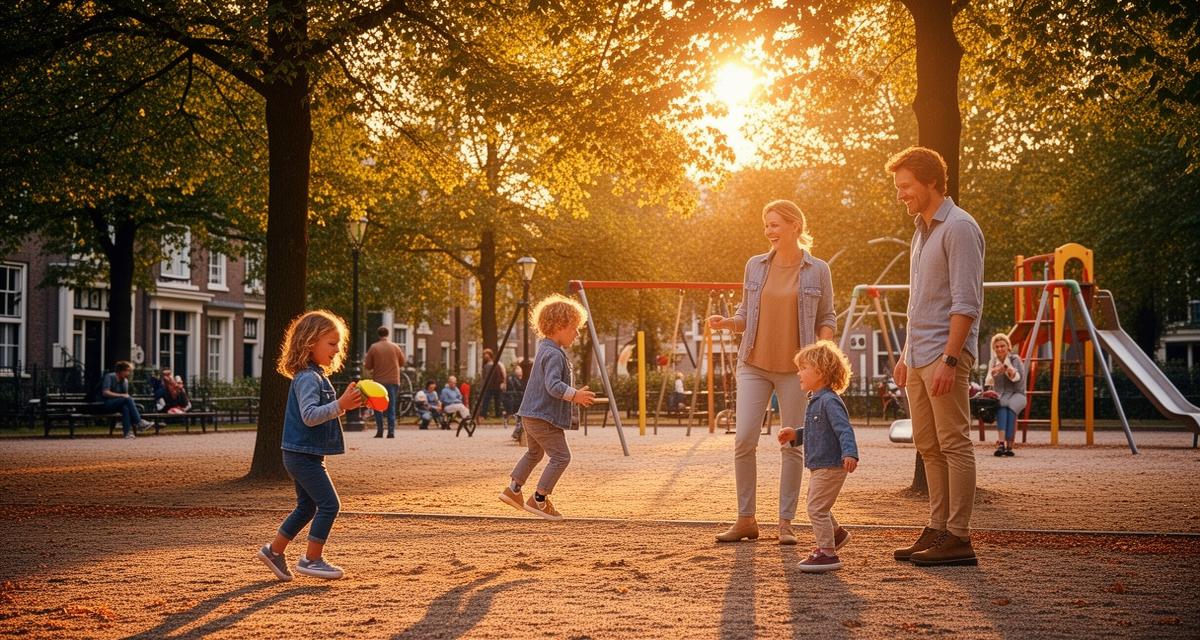
Families seeking alternatives to hypercompetitive schooling find the French approach attractive. Despite its rigor, the French education system values broad learning, long holidays, and childhood as a stage with its own validity rather than merely preparation for adult achievement.
Business professionals settle in Paris and major regional hubs for European operations. La Défense offers corporate infrastructure, while the country's central location and transport links serve those with pan-European responsibilities.
Gastronomes and wine lovers come for obvious reasons—France offers education and opportunity in these fields unavailable elsewhere. Some study formally, others absorb through living, and many build careers around French expertise.
A significant group comes seeking fundamental life change—slower pace, better balance, more emphasis on enjoyment and less on accumulation. France's particular version of 'the good life' resonates with those questioning the models that dominate Anglo-Saxon societies.
Who France Might NOT Be Ideal For
France's attractions are genuine but so are its demands. Certain profiles consistently struggle, and honest assessment prevents costly mistakes.
Those unwilling to learn French face fundamental limitations. While tourist English functions in Paris and major cities, real life operates in French. Professional opportunities, social integration, bureaucratic navigation, even basic services outside tourist zones require language ability. Expecting to manage in English isolates you severely and breeds resentment on both sides.
Career-focused professionals dependent on local employment face a rigid market. French labor law protects existing workers strongly, making it harder to hire—and thus harder for outsiders to find positions. Salaries are lower than Northern European equivalents, and the French approach to work-life balance, while appealing in theory, can frustrate those seeking advancement.
Entrepreneurial personalities may find France's regulatory environment constraining. Starting and running a business involves considerable administration, high social charges, and layers of regulation that more freewheeling economies don't impose. This isn't impossible—France has thriving entrepreneurs—but the friction is real.
Those who prioritize informality and casual friendliness in social interaction will find France challenging. French social life is more formal, initial reserve is normal, and the easy instant friendliness of some cultures is absent. What develops instead is different—often deeper—but the transition can feel cold.
Impatient personalities clash with French bureaucracy. Administrative processes take longer than expected, require more documentation than seems reasonable, and follow logics that resist analysis. If complexity and delay cause you genuine distress, France will provide ample opportunity for suffering.
Those seeking bargain living should recalibrate. While cheaper than London or Switzerland, France is not a low-cost destination. Paris is genuinely expensive, and even provincial life costs more than Southern European alternatives. The value is real but so is the expenditure.
Finally, those who expect France to conform to their expectations rather than meeting it on its own terms will struggle. France is confident in its ways and has limited interest in accommodation. The expat who thrives here genuinely appreciates the French approach, even when it frustrates.
Overall Cost of Living
French costs reflect a developed Western European economy with strong social protections and quality public services. What you pay for those benefits is real, but so is what you receive.
Paris requires its own conversation. The capital is genuinely expensive—housing costs rival London for central neighborhoods, and even modest apartments command substantial rent. Living in Paris on a limited budget is possible but requires compromises that affect quality of life. Many find the city worth the cost; others achieve better balance in regional alternatives.
Provincial France offers different economics. Major cities like Lyon, Bordeaux, Toulouse, and Nantes provide urban amenities at costs well below Paris. Smaller cities and towns can be genuinely affordable, with housing at fractions of capital prices. The trade-off is career opportunity and cultural concentration.
Rural France, particularly depopulating central regions, offers the lowest costs. Property is accessible even on modest budgets, and daily expenses remain low. However, car dependency, limited services, and integration challenges into traditional communities are real considerations.
Food and wine represent extraordinary value at all price points. French supermarkets are excellent and reasonably priced. Markets offer quality that barely exists elsewhere at accessible cost. Dining out varies—tourist traps are expensive everywhere, but neighborhood restaurants, particularly for lunch, offer remarkable quality at fair prices. Wine, needless to say, is better and cheaper than anywhere outside producing regions.
Healthcare through the French system (Sécurité Sociale) covers most costs after initial contributions. Top-up insurance (mutuelle) handles remaining expenses. The combination provides comprehensive coverage at costs well below American equivalents, with quality that exceeds most systems globally.
Transportation costs are moderate. Fuel costs European rates, but public transit is excellent. The TGV network connects major cities efficiently. Urban public transport in Paris and other cities is comprehensive and cheap. Car necessity depends entirely on location—Paris makes a car counterproductive; rural areas make it essential.
The tax burden is high by international standards—you pay for the social protections and public services France provides. Understanding this as part of the package rather than pure loss helps frame expectations accurately.
Daily Life & Lifestyle Reality
French daily life follows patterns that structure time differently than Anglo-Saxon habits. These rhythms, once internalized, often become one of the country's greatest appeals.
Mornings begin with coffee and perhaps a croissant or tartine—bread with butter and jam. The bakery visit (to your bakery, because loyalty matters) provides both breakfast and a daily touchpoint with neighborhood life. The quality of bread alone recalibrates expectations about what food can be.
The lunch hour remains genuinely important, though modern work has shortened traditional breaks. Still, lunch is a proper meal—not a sandwich at a desk. Restaurants fill with workers taking real breaks, cafés serve substantial plats du jour, and the idea of eating while working retains its foreignness.
Shopping follows rhythms that require adjustment. Markets operate on specific days in specific places. Many shops close on Sundays and sometimes Mondays. The grand supermarket run can replace this, but the French way—daily or near-daily shopping, smaller quantities, personal relationships with vendors—produces better food and more community connection.
Afternoon continues into evening at a measured pace. The concept of 'apéro'—pre-dinner drinks with small snacks—provides a ritual transition from work to personal time. This isn't heavy drinking but convivial conversation, usually with wine or perhaps pastis, extended as long as the conversation warrants.
Dinner is the main social meal, taken relatively late by Northern European standards—7:30 or 8 PM typically. In company, meals extend through conversation, with the table as the central site of French social life. Lingering is expected; rushing is rude.
Weekends often center on longer meals, market visits, and the French pleasure of 'flânerie'—aimless but attentive wandering. The countryside draws those with access, cultural events fill urban calendars, and the general mood privileges enjoyment over productivity.
The French talent for making ordinary moments feel civilized—the proper café experience, the attention to how food is served, the consideration in conversation—elevates daily life in ways that take time to appreciate but become difficult to abandon.
Cultural Adjustments & Common Surprises
French culture carries assumptions that differ from Anglo-Saxon norms in ways that can delight or frustrate depending on your willingness to engage with them.
Formal social rituals matter more than many expect. Greetings are not optional—entering a shop without 'Bonjour' is genuinely rude, and the specific forms (tu versus vous, number of kisses by region) carry meaning. What seems excessive from outside actually lubricates social interaction once internalized.
The French value intellectual engagement, debate, and the articulation of ideas. Conversations go deeper than small talk; opinions are stated and contested. This can feel confrontational to those from cultures of polite agreement but represents genuine interest in ideas. Learning to engage rather than retreat enriches social life.
Directness in French communication differs from Anglo patterns. The French will tell you when they disagree, when something is wrong, when your pronunciation fails. This isn't rudeness but honesty. The flip side: French compliments are genuine because they're not automatic.
Bureaucratic culture requires its own adaptation. Documents must be precise, processes follow strict sequences, and the person at the counter holds considerable power. Patience, politeness, and above all having all required paperwork in order makes these encounters manageable. Resistance is futile.
Regional identity is strong, though less fractious than in Spain or Italy. The Breton, Provençal, Basque, and Alsatian identities are real and valued. Paris and 'la province' maintain a particular tension. Understanding where you are and engaging with local pride matters.
The French relationship with work differs from American norms. Work matters but doesn't define identity in the same way. The 35-hour week is real (with exceptions), vacation is sacrosanct, and the Anglo-Saxon cult of overwork is genuinely alien. This takes adjustment for those from work-centric cultures.
Attitude toward rules and authority is complex—formal respect combined with tradition of resistance. The French follow rules they respect and ignore those they don't, often simultaneously. Understanding when flexibility applies and when it doesn't requires observation and sometimes painful learning.
Safety & Quality of Life
France offers genuine security in daily life, with quality-of-life elements that consistently rank among the world's best, though some concerns merit attention.
Violent crime is rare by American standards. The street safety that allows evening walks, public transport at all hours, and general relaxation in public space represents a significant quality-of-life element. The concerns that dominate American consciousness simply don't apply.
Property crime exists, particularly in Paris and other large cities. Pickpocketing in tourist areas requires awareness. Apartment break-ins happen, especially in cities. Car theft and vandalism occur. These are manageable nuisances requiring normal urban awareness.
Terrorism concerns have affected France particularly in recent years, with several high-profile attacks. Current security measures are visible in public spaces. Statistical risk remains very low, but the psychological impact on the country has been real.
Social tensions around immigration and integration occasionally flare into unrest, typically in suburban areas. For most expats in most locations, this remains distant from daily experience, but awareness of the context helps understand French political and social discourse.
Healthcare quality is exceptional. The French system consistently ranks among the world's best, combining comprehensive coverage, good access, and high quality. Hospital care, general practice, specialists—all function well. The pharmacy network provides accessible care for minor issues. This alone represents enormous quality-of-life advantage.
Environmental quality is generally good. Air quality varies—Paris struggles at times, but major cities are improving. Water quality is excellent. Access to countryside and nature is never far. The attention paid to food quality and provenance means what you eat is traceable and generally trustworthy.
Infrastructure is excellent. Roads, trains, utilities—all function reliably at high standards. Public services generally deliver what they promise. The bureaucratic complexity that governs access to these services frustrates, but the services themselves are good.
The particular pleasures of French life—the quality of daily bread, the accessibility of excellent wine, the beauty preserved in cities and countryside—contribute to quality of life in ways that resist quantification but register in lived experience.
Work & Remote Work Reality
Remote work in France has become increasingly viable, accelerated by pandemic-era changes, though legal and practical considerations require attention.
Internet infrastructure is excellent throughout urban France, with fiber widely available and speeds that support all remote work needs. Rural areas vary more, and some picturesque locations lack reliable connection. Verify before committing to countryside locations.
Coworking spaces have proliferated in major cities. Paris offers extensive options across all arrondissements; Lyon, Bordeaux, Nantes, and other cities have developed scenes as well. The phenomenon is less mature than in Lisbon or Berlin but continues to grow.
The timezone works well for European collaboration and reasonably for East Coast Americans. West Coast US hours require shifted schedules but remain manageable for those who prefer French mornings free.
Legal frameworks for remote workers require careful navigation. Working for a foreign employer while residing in France involves tax and social security implications that need professional structuring. France taxes residents on worldwide income, and social charges are high. Proper setup matters significantly.
The 'auto-entrepreneur' (now 'micro-entrepreneur') system offers a simplified framework for freelancers below certain thresholds. Administrative burden is reduced, though social protections are also lower. Many remote workers find this accessible entry point.
Working for French employers brings you into French work culture—long lunches, 35-hour weeks, extensive vacation, emphasis on work-life separation. This can feel luxurious or frustrating depending on your orientation. Career advancement follows different patterns than Anglo-Saxon norms.
Local employment for non-French speakers is severely limited. The job market is competitive, favors insiders, and requires language ability. Without strong French, opportunities are essentially confined to multinationals operating in English or roles specifically requiring native English.
The lifestyle integration that France enables often becomes the central work benefit. Quality of food, beauty of environment, pace of life—these elements improve work quality in ways that exceed what pure productivity focus achieves. The French understanding that work serves life rather than vice versa can be genuinely transformative.
Families & Long-Term Living
Raising children in France offers a distinctive approach that many families find superior to the models they left behind, though adjustment is required.
The French public education system is free, rigorous, and produces well-educated graduates. The approach emphasizes broad learning, critical thinking, and high standards. Children are expected to work seriously but also receive long holidays and protected childhood. Many expat families find the balance appealing.
International schools exist in Paris and major cities, offering various curricula. Quality is high, costs are significant but below London equivalents. These provide easier transition and English-language education, with trade-offs in integration.
The French approach to childhood differs from Anglo-Saxon helicopter parenting. Children are expected to behave in restaurants, participate in adult contexts, and develop genuine manners. Less indulgence, more structure, but also genuine respect for children as developing persons. Many parents find this refreshingly civilized.
Childcare is excellent and heavily subsidized. The crèche system provides quality early-years care at accessible cost. École maternelle (nursery school) begins at age 3, free and universal. This infrastructure enables parental employment while providing excellent developmental environments.
Healthcare for children is comprehensive and high-quality through the French system. Pediatric care is excellent, and the less interventionist approach compared to American medicine typically produces good outcomes with less medicalization.
Building community happens through school, neighborhood, and activities. The expat community provides initial support. French relationships take longer to develop but prove enduring. Children typically integrate faster than parents, often becoming bridges into French social life.
Long-term residency paths are well-established. EU citizens have residency rights; others require visas leading eventually to permanent residence and potentially citizenship. French nationality offers EU-wide rights and represents valuable asset for children's futures.
The particular pleasures of French childhood—excellent food as norm, beauty in daily environment, emphasis on enjoyment alongside learning—create memories and foundations that many families value highly.
Politics & Society
The morning after the second round of the snap legislative election in July 2024, a French neighbour in a Lyon courtyard apartment said something that stayed with the foreigners on the same landing: "Nobody won. That is the result." Macron had dissolved the Assemblée Nationale in June after his alliance was crushed in the European elections, gambling that the threat of Rassemblement National would consolidate the centre. The gamble produced a hung parliament instead, with the left-wing Nouveau Front Populaire as the largest bloc, Macron's Ensemble in fragile second, and Marine Le Pen and Jordan Bardella's RN holding the third position with the most votes of any single party. As of late 2025, that arithmetic still defines French politics. The instability is not theatrical. It is real, and it is structural.
Michel Barnier, the conservative former Brexit negotiator, was named prime minister in September 2024 and lost a vote of no confidence by December over the budget. François Bayrou, the centrist veteran, took over and has so far survived through a mix of concessions to the Socialists and an unspoken understanding that nobody benefits from another collapse before the presidential election. The 2027 presidential vote is the one that matters in any deeper sense. Macron is constitutionally barred from a third consecutive term. The polling, as of this writing, shows Bardella or Le Pen leading the first round comfortably, with the second round depending on whether the centre and left can hold a republican-front coalition the way they did, narrowly, in 2024. They might. They might not. The certainty that defined French presidential politics for two decades is gone.
Naming the spectrum directly: NFP brings together La France Insoumise (Mélenchon, hard left), the Socialists, the Greens, and the Communists, an alliance whose internal contradictions are barely contained by the shared opposition to RN. Ensemble is what remains of macronisme, a centrist project that has lost most of its founding figures and much of its parliamentary base. Les Républicains, the traditional Gaullist right, has fractured—part absorbed into government cooperation, part drifted toward RN-adjacent positions. RN itself has spent a decade detoxifying its image under Le Pen and now Bardella, and its current polling reflects that the strategy has worked, whatever one thinks of the underlying programme. There is no centrist majority available in the current Assemblée. There may not be one available in the next one either.
For foreign residents, the headline tax baseline has not changed under any of these governments. France remains a high-tax country, with progressive income tax topping out at 45% plus social contributions, a wealth tax on real estate (IFI) above €1.3 million in net property assets, and inheritance rules that treat foreign residents the same as French nationals after relatively short qualifying periods. The expatriate impatriés regime, offering partial exemption on certain income for up to eight years for newly arrived workers, remains in place but is reviewed regularly and politically vulnerable. What has shifted is the mood around foreign property ownership, particularly second homes in the south and short-term rentals across Paris, Lyon, Bordeaux, and the coastal departments.
The 2024 loi anti-Airbnb tightened municipal powers to restrict short-term lets, capped rental days in primary residences in tense zones, and removed favourable tax treatment that had made furnished tourist rentals more attractive than long-term leases. Foreign owners of holiday flats in Nice, Cannes, or the Île de Ré have felt this directly. Several Provençal communes have layered on local restrictions of their own. The political logic is housing affordability for the French, and that logic now reads as common sense across the political spectrum, from Mélenchon to Le Pen. Foreigners arriving with the expectation of straightforward rental income from a southern bolt-hole are working with a different set of rules than the ones that applied even three years ago.
The civic argument the French are actually having is less about any single policy than about what the state is for and who it answers to. Pension reform, passed in 2023 by Macron without a parliamentary vote using article 49.3, left a residue that has not dissipated. The yellow vests of 2018 were the first signal. The 2024 election was a louder one. Beneath the polling and the coalitions, the question being argued in cafés and on talk radio is whether a political class that most voters distrust can hold a country whose institutions most voters still believe in. That gap is the central French problem of this decade.
What stability means in France, for a foreign resident, is institutional rather than parliamentary. The Conseil d'État still functions. The Cour de Cassation still functions. Préfectures still process titres de séjour, hospitals still treat patients, schools still open in September. Whatever happens in the Assemblée over the next eighteen months, the architecture beneath it has shown across more than two centuries that it absorbs political shocks without breaking. The 2027 presidential election may produce an outcome that surprises a great many people. The day after, the boulangerie will still open. Both of those statements are true, and the relationship between them is what foreigners learn to navigate. The <a href="/countries/france">France hub</a> frames the broader picture, and the <a href="/countries/france/cost-of-living">cost-of-living view</a> covers where the high-tax reality actually lands month to month.
What is worth holding, as of late 2025, is that France is in a period of genuine political fluidity for the first time since the Fifth Republic stabilised in the 1960s, and that this fluidity has not yet translated into the kind of governance breakdown that affects ordinary residency, healthcare, or daily life. It might. The 2027 election could deliver an RN presidency operating against a hostile Assemblée, or a centre-left government operating against a hostile Senate, or some combination of cohabitation that the constitution is technically equipped for but has rarely been tested by. Living here through that arc means accepting that the answer to "what happens next" is, more honestly than usual, that nobody knows.
Crime & Personal Safety
Safety in France is a subject the French themselves argue about more loudly than almost any other domestic question, and the gap between the volume of that argument and the actual statistics is one of the more revealing things about contemporary French life. As of late 2025, France remains a country where the daily background of public safety is, for most residents in most places, comparable to or better than that of most peer European countries. Homicide rates are roughly half the EU average and well below the United States. Violent crime against the general population has not risen in the way the political debate sometimes suggests. What has risen is the visibility and intensity of certain kinds of incidents, the geographic concentration of organised drug violence in a small number of places, and the political weight of the insécurité conversation as a fixture of every electoral cycle.
What the numbers describe and what the French feel are connected but not identical. The Ministry of the Interior tracks atteintes aux personnes year by year, and the long arc since the early 2000s is mostly flat with a slow rise in reported sexual violence and a slow rise in reported domestic violence — both of which reflect, at least partly, increased reporting rather than increased incidence. Theft and burglary trend gently downward over the same period. What has shifted decisively is narcotic-related violence in a defined geography, and what has shifted in everyday perception is the experience of using public transit in certain Paris quarters at certain hours. Both of those are real. Neither of those, on its own, makes France an unsafe country to live in.
The geography of risk in France is sharply uneven and worth describing without euphemism. Marseille's quartiers nord — the 13th, 14th, 15th, 16th arrondissements, particularly around the cités of La Castellane, Les Marronniers, La Bricarde, La Paternelle — are the centre of the country's narcotrafic conflict, and the score-settling homicides that account for a meaningful share of France's annual murder total happen there, almost entirely between actors known to each other. Tourists, expats, and residents of central Marseille are essentially never the targets. Paris is calmer than its reputation in the international press; the broad question of whether the city is safe answers itself by walking the 6th, 7th, 11th, or 14th arrondissements at almost any hour. The narrower question of which metro lines and which RER segments warrant more attention has a more specific answer: RER B between Châtelet and the northern suburbs late at night, certain stations on Line 4 and Line 13, the area immediately around Châtelet-Les Halles after midnight. The 18th, 19th, and 20th arrondissements contain neighbourhoods that are simply working-class and cosmopolitan, and others — Goutte d'Or in nuance, parts of Stalingrad — where the drug-economy infrastructure is more visible. Lyon is comparable to Paris with a calmer surface. Bordeaux, Nantes, Rennes, Strasbourg, Lille run quieter than the national average. Nice and the Côte d'Azur deal mostly with vehicle break-ins and a steady tourist-targeted petty-crime economy. Rural France is one of the safest environments in Europe.
France's police architecture is layered in ways foreigners often find confusing until they need it. The Police nationale handles cities and metropolitan areas under the Ministry of the Interior. The Gendarmerie nationale handles rural areas and small towns under a military status though increasingly coordinated civilly. The Police municipale, when it exists, handles local matters at the commune level — traffic, low-level disorder, sometimes more depending on the mayor's investment. For a serious incident the number is 17, or 112 from a mobile. Reporting a theft means a trip to the commissariat or gendarmerie, where the procès-verbal is generated for your insurance and where, realistically, the recovery rate for opportunistic theft is close to zero. Officers are professional at the institutional level, vary considerably at the individual level, and corruption at the street tier is rare. The deeper institutional debates about French policing — the IGPN's independence, the use-of-force protocols around manifestations, the relationship with banlieue residents — are real and worth following, but they sit at a level above what a foreign resident encounters in the course of reporting a stolen phone.
Scams aimed specifically at foreigners cluster in a handful of recurring patterns. Rental fraud on Le Bon Coin, SeLoger, and the closed groups that proliferate around every grande école and corporate-relocation cycle is the most expensive mistake new arrivals make in Paris, Lyon, and Bordeaux — listings that don't exist, deposits requested before viewing, false landlords. The rule is the same as everywhere: do not transfer money for a property you have not seen in person or through a verified agent with established standing. The vol à l'arraché — the snatch-and-run of a phone or bag from a café terrace, particularly in the Marais, Saint-Germain, and around the major Lyon and Marseille tourist zones — has become more common since the rise of high-value smartphones and is mostly preventable by keeping the phone off the table and the bag on the lap or wrapped through the chair leg. Vehicle break-ins on the Côte d'Azur, particularly around Nice, Cannes, and the Cap-d'Antibes parking areas, are a steady tax on visible luggage and visible electronics. Distraction-pickpocketing on the metro, particularly Line 1 and around major stations, follows the European pattern.
How long-term foreign residents actually adjust their behaviour in France tends to involve a small set of habits that become invisible quickly. Phone away in any crowded transport context. Bag closed and carried on the body, not over the back of the chair, in any café in a tourist-trafficked zone. The car parked overnight in Nice or Marseille contains nothing visible. The walk home through the 18th at one in the morning is not a thing most people choose without reason; the walk home through the 6th at the same hour is a non-event. Beyond that, the calibration loosens. Most expats in France after a year report moving through public space with less defensive awareness than they did at home, not more — and they read the manifestations and grèves that punctuate the calendar as features of civic life rather than threats to personal safety, because that is what they generally are. A demonstration in République is loud, often theatrical, and sometimes ends with broken windows on the perimeter; it is rarely dangerous to a passer-by who reads the crowd and steps a few streets away.
What has changed in the last two or three years is mostly the political weight of the safety conversation rather than the underlying numbers. Insécurité has become a structural fixture of every national campaign, and the language used to describe it — ensauvagement, narco-banditisme, l'État qui ne protège plus — has migrated from the margins to the centre of the political debate without the underlying violent-crime statistics shifting in a comparable way. What has genuinely shifted is the geographic concentration of narcotic violence in Marseille, the smaller but real exports of that conflict to other cities, and the visibility of certain quality-of-life issues in central Paris that the Olympics did not so much fix as briefly relocate. The country to compare France against is not its more orderly self of two decades ago. It is, on any honest international comparison, still safer than the United States by a wide margin, comparable to Germany and the United Kingdom on most metrics, and substantially safer than the political conversation about it would suggest.
There is a quieter dimension to safety in France that the indices cannot measure, and it has to do with the density of public life. The café terrace at six in the evening, the boulangerie at seven in the morning, the marché on Saturday, the school gate at four-thirty — these are the layers of informal observation that most French neighbourhoods still carry. The concierge in the 7th arrondissement, the gardienne in any older building, the patron of the corner café who knows everyone's name within a month — they constitute a low-grade civic surveillance that statistics cannot capture and that no amount of cameras can replace. Building into that fabric is not a strategy. It happens by being present in a place over years. And once it does, the experience of safety in France stops being something a foreign resident assesses against a national debate and becomes something more local, more textured, and considerably calmer than the national conversation about it sometimes implies.
Education & Schooling
Education in France is the subject on which the gap between what newcomers expect and what the system actually delivers is widest, and the gap runs in both directions. Anglophone families often arrive with a vague sense that French schools will be rigorous-but-charming in a vaguely Madeline way, only to discover an institution whose seriousness, formality, and republican self-conception have almost nothing in common with the schools they left behind. Other families arrive expecting a bureaucratic state machine and find, in the actual classrooms, a calm professionalism and a depth of pedagogical thinking that genuinely impresses them. As of late 2025, the French education system remains one of the most state-driven, most centrally-coordinated, and most ideologically distinctive school systems in the developed world — and understanding the shape of it before choosing a school is the difference between a family that integrates through the school gate and one that spends years orbiting it.
The structure begins earlier than in most peer countries. École maternelle has been compulsory from age three since the 2019 reform, and it is genuinely a school rather than a daycare — staffed by trained professeurs des écoles, organised around explicit pedagogical objectives in language, motor skills, and early socialisation, and operating on the same long school-day rhythm as the rest of the system. École élémentaire runs from six to eleven across five years (CP through CM2). Collège covers eleven to fifteen across four years and ends with the brevet exam. Lycée covers fifteen to eighteen across three years and ends with the baccalauréat, which has been the single most consequential exam in French educational life for two centuries and remains the gateway to university admission through the Parcoursup platform. The whole structure is administered nationally by the Ministry of Education, the curriculum is set centrally, and a child in a public school in rural Brittany follows the same programme on the same week as a child in the seventh arrondissement of Paris.
Laïcité is the part of the system foreign families most consistently underestimate the weight of. The French school is not a culturally neutral institution that happens to be secular. It is an explicitly republican project that takes its function as a producer of French citizens seriously, and the visible expressions of religious identity that pass without comment in British, American, or German schools — headscarves, kippot, large crosses, the abaya as recently classified — are not permitted in public schools. Religious education is not on the curriculum. The week is structured around the secular calendar. The official posture toward private religious conviction is one of strict separation between the school and the home, and the unwritten assumption is that the child becomes a French citizen during school hours and returns to whatever family identity exists in the evening. For families coming from systems where the school accommodates and visibly celebrates cultural and religious difference, the adjustment is real, and the families who make peace with it tend to do so by recognising that the laïque posture applies equally to everyone — the school is not asking the foreign family to suppress something it is asking French families to express, it is operating on a uniform assumption about the boundary between public institution and private identity.
Language is the gating variable for the public option, and the framework for non-French-speaking arrivals is uneven by commune. The dispositif UPE2A — Unité Pédagogique pour Élèves Allophones Arrivants — is the official structure for newly arrived students who do not speak French, and where it works it works well: a few hours a day of intensive French inside an otherwise normal school week, structured language acquisition tied to the actual curriculum the child is sitting in, and a transition out within twelve to eighteen months for most learners. Where it does not work — typically in smaller communes without enough non-francophone arrivals to justify dedicated staffing, or in larger ones where the demand exceeds capacity — the child sits in normal classes with whatever ad hoc support the individual teacher can offer, which is variable. The age window is similar to other Romance-language systems: a child of seven absorbs French in a year, a child of fourteen finds the same process considerably harder, and a child arriving at sixteen into the bac years almost always needs the international or bilingual route for the lycée stage even if collège in French was workable. Families who plan well either move while the children are young, build a one-year intensive French transition before enrolling, or commit to the private international path knowingly rather than by default.
The private alternatives in France divide into two categories that newcomers often blur. Écoles sous contrat — schools under contract with the state — receive public funding in exchange for following the national curriculum and accepting state-set teacher salaries; the great majority are Catholic, fees are low (typically a few hundred to a few thousand euros per year), and the academic standard is comparable to good public schools with sometimes a more conservative pedagogical style. They are a substantial part of the French school landscape and produce a meaningful share of the country's bac graduates. Écoles hors contrat — schools outside contract — operate independently, charge full private fees (commonly €8,000 to €25,000 per year), and include both the elite international institutions and a long tail of pedagogically alternative schools. The genuine international schools — the International School of Paris, the British School of Paris, the American School of Paris, the Lycée International de Saint-Germain-en-Laye, the École Jeannine Manuel network — concentrate in Paris and the Île-de-France, with smaller representations in Lyon, Marseille, Strasbourg, and Toulouse. Outside the major metropolitan areas, the international option largely does not exist.
The most underused middle path in France is the sections internationales programme inside ordinary public schools and a handful of écoles sous contrat. These are bilingual streams — American, British, German, Spanish, Italian, Portuguese, Arabic, Chinese, Japanese, and others depending on the school — embedded in the French national curriculum, where students follow the standard French programme alongside several additional hours per week of literature and history taught in the section language by native-speaker teachers. The cost is essentially the cost of the underlying public school (free, plus the small annual contribution that some schools request), and the academic standard is high because admission is selective and the cohort is motivated. Paris carries the largest concentration — Lycée International de Saint-Germain, Lycée Honoré de Balzac in the 17th, Lycée International de l'Est Parisien, the École Active Bilingue Jeannine Manuel as the private equivalent — but sections internationales also exist in Lyon, Strasbourg, Bordeaux, Nice, Lille, and several other regional centres. For a foreign family with French of any working level, the sections internationales path delivers genuine bilingual education, recognised qualifications (the Option Internationale du Baccalauréat), and the social integration of attending a French school, at a fraction of international-school fees. The catch is that admission is competitive, the language assessment is real, and the families who want this path generally need to plan for it rather than discover it after arrival.
The 2021 baccalauréat reform changed the upper-secondary experience meaningfully and is the part of the system most current French parents have an opinion about. The old structure of three terminale streams — S, ES, L — has been replaced by a common-core programme plus a choice of three then two specialités selected from a menu of disciplines (mathematics, physics-chemistry, biology, history-geography-political science, foreign languages, literature, economics, and several others). The grand oral, a fifteen-minute defended-presentation examination at the end of terminale, has been added. Continuous assessment now carries forty percent of the final bac mark rather than the historical near-zero. The reform's intent was to give students more flexibility in shaping their educational path; the unintended effect has been to convert lycée into a three-year continuous-assessment environment with substantially more accumulated stress, and to push the strategic conversation about Parcoursup university admissions earlier, sometimes painfully so. The system still works, and the bac remains a genuine qualification recognised internationally, but the experience of the lycée years for a teenager today is materially heavier than what older French parents themselves remember.
Strikes are a feature of the French school year and worth pricing into the family rhythm honestly. Teacher strikes — over pay, over reform, over working conditions, over the broader politics of the moment — happen several times a year in most regions, and the affected days produce variable patterns of class cancellation, half-staffed schools, and sometimes complete closures. The communication is uneven; some schools post detailed advance notices, others tell parents the morning of. Working parents adapt, French employers absorb the friction with practised patience, and the children themselves treat occasional grève days as a feature of the calendar rather than a disruption. The deeper civic point — that French education is a politically contested terrain in a way that British or German education largely is not — is part of what foreign families are signing up for when they choose the public system, and it tends to be invisible from the outside and unmissable from the inside.
How the foreign families who do this well calibrate their decisions has a few common features. They take the maternelle years seriously rather than treating them as preschool, because the language acquisition that happens between three and five is the foundation of everything that follows. They visit schools in person, particularly the public ones whose reputation is local rather than national. They consider the sections internationales path actively rather than defaulting to the international-school assumption. They build out-of-school activities — the conservatoire, the local sports club, the centre de loisirs — because French school structures less of the social life of the child than Anglophone systems do, and the friendships form in those external settings as much as in the classroom. They accept that the system is not optimised for parental involvement in the way many home systems are; the parent-teacher relationship is more formal, the carnet de correspondance is the primary communication channel, and the French school does not generally invite the parent in. The families who do best with all of this tend to share one underlying disposition: they treat French education as something to enter into on its own terms rather than as a slightly different version of what they had at home, and they let their children become, partially and over time, products of it.
Higher Education & University Pathways
Higher education in France runs on a structural duality that has no real equivalent in any peer country, and understanding it is the first thing a foreign family needs to do before any university conversation makes sense. On one side sit the universités — public, open-access, mass-enrolment institutions that take essentially every French student who passes the bac and that operate at the modest tuition levels (a few hundred euros per year for EU students, a few thousand for non-EU since the 2019 reform) that the French state has historically considered the appropriate price for higher learning. On the other side sit the grandes écoles — selective, prestigious, often small institutions that recruit through a brutally competitive examination process after two preparatory years (classes préparatoires) and that produce, in vastly disproportionate numbers, the country's senior managers, engineers, civil servants, and intellectual elite. The two systems coexist without really competing; they serve different functions, attract different students, and produce different kinds of graduates whose careers tend to run on parallel tracks throughout French professional life. As of late 2025, the universités enrol roughly 1.7 million students and the grandes écoles roughly 250,000, and the social weight of those numbers runs in inverse proportion to their size.
The grandes écoles tier is where the genuine global prestige of French higher education sits, and the names matter. Sciences Po Paris dominates the social sciences, public policy, and political careers in a way that no single institution does in any other country — its alumni network spans every French government, every major French corporation, and a substantial share of the European Commission's senior administration. HEC Paris, ESSEC, and ESCP form the elite triumvirate of French business education, with HEC consistently ranked among the world's top business schools and placing graduates into European investment banking and consulting at rates comparable to LBS or Wharton. Polytechnique (the X), Centrale, the Mines, and the Arts et Métiers form the engineering elite, with Polytechnique operating under military status and producing both engineers and a substantial share of the country's senior corporate leadership. ENS Ulm and the smaller normales supérieures train the country's academic elite. INSEAD, while structurally a private graduate business school rather than a grande école in the strict sense, has built a global brand on French soil that competes directly with the American MBA establishment. Admission to most grandes écoles for French students requires two years of classes préparatoires after the bac followed by national concours examinations of legendary difficulty; for foreign students, parallel admission tracks based on undergraduate degrees from elsewhere, often with English-medium master's programmes, have expanded substantially over the past fifteen years.
The university tier serves the broad mass of higher education and varies enormously in quality across institutions and disciplines. The Sorbonne family of universities (the post-2018 split into Sorbonne Université, Université Paris-Cité, and the others) carries genuine weight in the humanities, sciences, and medicine. Université Paris-Saclay aggregates a cluster of strong scientific institutions south of Paris and ranks in the global top fifty for several scientific disciplines. Strong regional universities — Lyon, Aix-Marseille, Strasbourg, Bordeaux, Toulouse, Lille, Grenoble — produce competent graduates whose degrees carry well within the French and broader European labour market. Medicine, law, and dentistry remain the prestige tracks within the university system, and admission to the second year of medical studies in particular has historically been one of the most competitive academic gates in France — the PASS and L.AS reforms have softened but not eliminated the brutality of the first-year selection. The lecture-and-exam culture is more impersonal than at smaller grandes écoles, the dropout rates in the first year of undergraduate study are notoriously high, and the experience of being a student in a French université is closer to the German Massenuniversität than to the residential American liberal-arts tradition.
Admission for foreign students runs through Campus France for non-EU candidates and through Parcoursup or institution-specific channels for EU students, and the process is more bureaucratically demanding than most arriving families anticipate. Campus France operates as the centralised pre-application gateway for non-EU students, and the procédure études en France through the local French embassy or consulate involves academic dossier review, language assessment, an interview with a Campus France adviser, and the issuing of a pre-consular attestation that the eventual visa application depends on. The timeline runs from October-November of the year before intended enrolment through to spring decisions, and missing the calendar by a single month often means deferring a full year. Language requirements vary: French-medium programmes generally require DELF B2 or DALF C1, English-medium master's programmes (which now exist in substantial numbers across business schools, engineering schools, and selected humanities and social-science fields) require IELTS 6.5 or equivalent. Equivalency of foreign secondary qualifications is handled by the Ministry of Higher Education, with the bac américain, A-Levels, IB diploma, and most major national qualifications recognised straightforwardly through standard tables.
The cost structure changed substantively in 2019 when the French state introduced differentiated tuition for non-EU students at public universities — roughly 2,770 euros per year for licence and 3,770 for master's, against the 170 and 243 euros respectively that EU students continue to pay. Several universities, particularly in the strong research clusters, opted to maintain reduced fees for non-EU students through institutional waivers, and the practical landscape varies considerably by institution. The grandes écoles, structurally outside the public-tuition framework, charge real fees: HEC at roughly 70,000 euros for the master in management, Sciences Po at 14,000 to 19,000 per year for non-EU students, the elite engineering schools at 12,000 to 25,000 per year. Living costs in French university cities are uneven: Paris remains genuinely expensive at 1,200 to 1,800 euros monthly for a student inclusive of housing, food, and transport; Lyon and Bordeaux at 800 to 1,200; the smaller regional centres at 600 to 900. The CROUS — the Centre Régional des Œuvres Universitaires et Scolaires — provides subsidised student housing, meal cards at three to five euros per full meal, and means-tested grants (bourses sur critères sociaux) that international students can access through specific bilateral programmes.
Post-study rights in France have improved meaningfully over the past decade and now constitute a genuine attraction for international students. The autorisation provisoire de séjour (APS), valid for twelve months after completion of a master's-level degree, allows non-EU graduates to remain in France to seek employment with no salary or sector restrictions on the search itself. Conversion to a salaried-worker permit (passeport talent or standard salarié status) is comparatively straightforward where an employment contract above the threshold (currently roughly 1.5 times the minimum wage for most categories, with passeport talent thresholds higher) is in place. The path to PR through study and subsequent work follows the standard ten-year residency line for naturalisation, with reductions for graduates of French universities who have completed at least two years of higher education in France and meet the French-language requirements at B1 level. The degree itself carries well across the EU under Bologna recognition, into French-speaking Africa where French institutional qualifications retain enormous weight in professional and academic placement, and into the broader global labour market with the variable degrees of recognition any non-Anglosphere degree faces in Anglosphere markets — French engineering and business credentials translate cleanly, French medical and legal credentials require the standard licensing pathways for jurisdictions outside the EU.
How expat families in France navigate the university decision varies sharply by their starting position and by the language pathway their teenagers have taken through secondary education. Families whose children have completed the French bac (especially through sections internationales or the lycée international route) arrive at the university gate with the linguistic and cultural preparation to access the full range of French higher education — including the genuinely demanding classes préparatoires path into the grandes écoles, which remains one of the most undervalued opportunities for internationally educated teenagers in France. Families whose children have done international schooling without strong French language acquisition increasingly route into the English-medium master's programmes at the business and engineering schools, which deliver recognised European credentials at fees that compete favourably with US, UK, or Australian alternatives while offering the lifestyle and cultural advantages of French residency. Families considering France specifically for the higher-education stage often choose the grande école route deliberately for the brand recognition and placement outcomes, and the financial calculation — even at full international fees, the total cost of a two-year master at HEC or ESSEC sits well below the equivalent at Wharton or Stanford — works for many households who would have found Anglo-Saxon equivalents structurally unaffordable. The thread that runs through all of these calculations is that French higher education, particularly at its top tier, is genuinely competitive at the global level and substantially better priced than the alternatives, provided the family is willing to engage with the bureaucratic intensity that accessing it requires.
Pros & Cons at a Glance
What Expats Love
- •Healthcare system that provides excellent care at accessible cost, representing genuine security
- •Food and wine culture that elevates daily life into something more civilized and pleasurable
- •Cultural richness—art, architecture, literature, ideas—accessible as living tradition rather than museum pieces
- •Quality of daily rituals that structure time around pleasure and connection rather than mere efficiency
- •Infrastructure and public services that function reliably at high standards
- •Work-life balance that is culturally valued and structurally supported, not just aspirational
Common Challenges
- •Bureaucracy that requires patience, documentation, and often professional help to navigate
- •Language requirement that is genuinely essential—managing in English alone isolates severely
- •Social integration that takes considerable time and effort, with initial reserve that can feel unwelcoming
- •High tax burden that funds quality services but represents significant cost
- •Rigidity in some systems and processes that frustrates those accustomed to flexibility
- •Cost of living, particularly in Paris, that places financial pressure on those without substantial income
Written by
Carl S Moller
Founder & Editor, Expat Blueprint
Carl S Moller is the founder and sole editor of Expat Blueprint. He researches and writes every guide himself, working from immigration ministries, tax authorities, national statistics and recent first-hand reporting rather than claiming to have lived in all sixteen countries covered.
Deep Reading
Long-form essays that explore themes relevant to life here.
Explore All Topics
Dive deeper into specific aspects of expat life in France.




Guides Unique to France
Topics and perspectives specific to life in France — questions that only make sense here.
The French Administrative System: CAF, CPAM, and the Paper Trail
How the bureaucratic machinery works, what documents matter, and the timeline from arrival to settled.
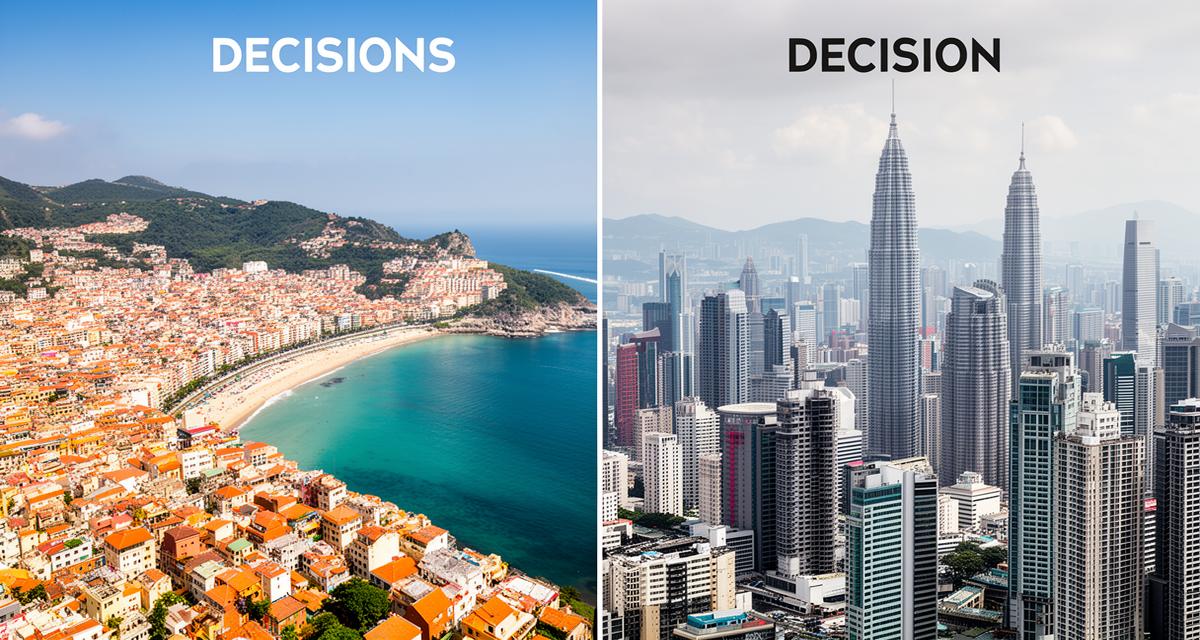
Paris or the Provinces: Two Very Different Frances
Cost, lifestyle, integration, career access, and why the choice between Paris and elsewhere is the most consequential one.
Getting Your Carte Vitale: The French Healthcare System From the Inside
How to enroll in CPAM, the timeline realities, mutuelle decisions, and what the system covers once you are inside.
Navigating French Social Security: CPAM, CAF, and the Letters That Never Stop
How CPAM, CAF, and URSSAF actually work for expats, the carte vitale journey, and surviving the letters.
Renting in France: The Dossier, the Garant, and the Apartment Hunt Nobody Enjoys
How the French rental market works for expats, from assembling the dossier to navigating garant requirements.
Learning French as an Adult: Why the Language Shapes Everything From Friendships to Bureaucracy
How the French language shapes expat integration from social gatekeeping to bureaucratic necessity.
France's Market Culture: How the Marché Shapes Weekly Routines and Neighborhood Identity
France's marché culture shapes weekly routines through seasonal produce and vendor relationships.
French Taxes for Expats: Impôt sur le Revenu, Prélèvement à la Source, and the Declaration That Terrifies Everyone
French tax system for expats covering worldwide taxation, tax treaties, and the first déclaration.
South of France vs Paris and the North: Climate, Cost, Culture, and the Two Frances Expats Choose Between
How southern and northern France create fundamentally different expat experiences.
France's Auto-Entrepreneur System: Freelancing Under French Rules and the Cotisations That Follow
How the micro-entrepreneur regime works, URSSAF declarations, cotisations sociales, revenue caps, and why the simplicity is deceptive.
French Schools and the Cantine: How the Education System Feeds Children Better Than Most Countries Feed Adults
The école maternelle to lycée pipeline, the cantine as nutritional institution, Wednesday rhythm, and what expat parents discover about French educational philosophy.
Moving From the UK to France: Thirty Kilometres and a Civilizational Shift
What British expats discover moving to France after Brexit — from carte de séjour paperwork and CPAM enrollment to cultural distance.
Leaving France — The Paperwork Life Nobody Warned You About
Bureaucratic exhaustion, social isolation, and Brexit fallout explain why more expats leave France quietly than the dream-life coverage ever suggests.
See how France compares
Compare costs, WiFi, schools, and regulations with up to three other countries — adjusted for your lifestyle.
Open in Comparison ToolIs France Right for You?
France works exceptionally well for those who genuinely value what it offers: a society that takes quality of life seriously, that has opinions about how things should be done, and that rewards those who engage with it on its own terms. The frustrations are real—bureaucracy, initial social distance, cost—but for those attuned to French pleasures, the compensations are extraordinary.
The expats who flourish in France tend to embrace the language seriously, find genuine pleasure in French rituals and forms, and appreciate rather than resist the structures that shape daily life. They're not seeking ease or flexibility but depth and quality. They've made peace with paperwork as the price of civilization.
The path forward involves honest assessment: Can you commit to learning French properly? Can you tolerate bureaucratic complexity? Can you appreciate formality rather than experiencing it as coldness? If yes, France offers a quality of life—daily pleasures, cultural richness, genuine security—that few countries can match. If no, other destinations may suit you better.