
Malaysia Housing: KL Condos, Penang Villas, and Rental Costs
KL condos start cheap by global standards — Kuala Lumpur neighborhoods, Penang alternatives, real rental costs, and the process from online search to keys.
9 min read
Malaysia's rental market offers exceptional value—spacious, fully-furnished condos with pools and gyms at prices that would barely rent a studio in Singapore.
Quick Takeaways
- •KL condos range from RM 2,000–6,000/month ($450–$1,350) depending on area
- •Most rentals come fully furnished with condo facilities included
- •Standard deposit is 2 months rent plus 1 month utility deposit
- •No key money or excessive fees like Japan—straightforward process
- •Foreigners can buy property but minimum purchase price is RM 1 million
Malaysia's housing market strikes an appealing balance: modern amenities at developing-world prices. Expats consistently cite housing as one of Malaysia's strongest draws—where else can you get a gym, pool, and security for what you'd pay for a cramped apartment elsewhere? The value proposition is so strong that it permanently recalibrates expectations. After living in a KL condo with rooftop pool, gym, and 24-hour security for under a thousand dollars a month, returning to Western rental markets feels almost absurd. That recalibration is quiet but lasting.
This guide navigates the rental landscape from KL's gleaming towers to Penang's colonial character, helping you find the right home for your Malaysian chapter. What surprises most newcomers is how facilities-included living becomes the baseline rather than the luxury. Swimming pools, fitness centers, and landscaped gardens are standard features in developments across all price ranges, not premium add-ons reserved for high-end buildings. Understanding this norm—and how to navigate the market that produces it—saves considerable time and money during your search.
Kuala Lumpur Neighborhoods
The KLCC area puts you at the center of everything—Petronas Towers views, premium malls, walkable to business districts. Expect smaller units for higher prices, with two-bedroom apartments typically running RM 4,000 to RM 7,000 monthly. The premium is for convenience and address rather than space, and many professionals find it worthwhile.
Mont Kiara is the expat heartland, where international schools cluster, Western restaurants anchor the social life, and spacious family-sized units come with facilities that set the benchmark for what Malaysian condo living can be. Two bedrooms run RM 3,000 to RM 5,500. The trade-off is dependence on a car and traffic that can be brutal during school runs—Mont Kiara functions better as a neighborhood for those with drivers or patience.
Bangsar occupies a sweet spot between convenience and character. Trendy cafes and nightlife coexist with walkable streets and a more local vibe than the expat clusters of Mont Kiara. Popular with younger expats and couples at RM 2,500 to RM 4,500 for two bedrooms. Bangsar South provides newer developments at slightly lower prices with a more corporate feel.
Damansara Heights delivers upscale living with landed houses and premium condos in RM 3,500 to RM 6,000 range for two bedrooms. Quieter than KLCC, with excellent restaurants and proximity to business parks. Budget-conscious expats look toward Cheras or Kepong for RM 1,500 to RM 2,500—less polished, more local, dramatically cheaper, and increasingly connected to the city center by expanding transit lines.

Beyond Kuala Lumpur
Penang offers a completely different lifestyle built around heritage and food culture. George Town's colonial core provides character-filled shophouses and heritage apartments at RM 2,000 to RM 3,500 monthly, while newer developments along Gurney Drive offer modern luxury with sea views. Food obsessives and those seeking slower pace find here what KL's convenience cannot provide.
Johor Bahru attracts those working in Singapore or seeking proximity to the causeway, with modern developments that have transformed the skyline. Rentals run RM 1,500 to RM 3,000, significantly cheaper than across the border, though the city lacks KL's polish and Penang's charm. Langkawi suits island life seekers with its duty-free shopping and beach access—rental options are more limited but affordable, working best for remote workers or retirees who don't need urban infrastructure.
Cameron Highlands and Ipoh offer cool-climate retreats at remarkably low costs of RM 1,000 to RM 2,000 monthly. Growing digital nomad scenes have emerged in these smaller cities, though infrastructure trails urban centers and car ownership becomes essential rather than optional.
Penang's housing character differs from KL's vertical uniformity in ways that affect daily life more than price comparisons suggest. George Town's renovated shophouses offer two-story living with courtyard gardens, exposed brick, and architectural personality that no condo can replicate. The trade-off is older plumbing, occasional maintenance surprises, and a relationship with your landlord that feels more personal than transactional. Along Gurney Drive, modern towers match KL's aesthetic but with sea views and island pace. The choice between heritage charm and modern convenience defines the Penang housing search, and most expats find themselves drawn to one or the other within days of looking.
This is the stage The Move-Ready Reset was written for — what must happen so i can actually leave? It costs $39 and downloads immediately. See what it covers.
Understanding Rental Costs
Malaysia's rental system is refreshingly simple compared to markets like Japan or South Korea. No key money, no excessive guarantor requirements, and no agent fees for tenants—landlords typically cover agent commissions entirely. This simplicity doesn't mean there's nothing to understand, but it does mean the friction of entering the market is genuinely low.
Standard deposits amount to two months security deposit plus a half or one month utility deposit. Some landlords negotiate this structure, particularly for longer lease commitments or tenants who offer upfront payments. You'll get the deposit back at lease end provided the property is in good condition, which makes it worth documenting the apartment's state thoroughly at move-in.
Rent typically excludes utilities—electricity, water, and internet are separate. Air conditioning is essential in Malaysia's tropical climate and drives most electricity costs, which run RM 200 to RM 500 monthly depending on usage patterns and unit size. Many condos include basic internet in maintenance fees, though dedicated fiber connections cost RM 100 to RM 200 monthly and provide significantly better speeds for remote workers.
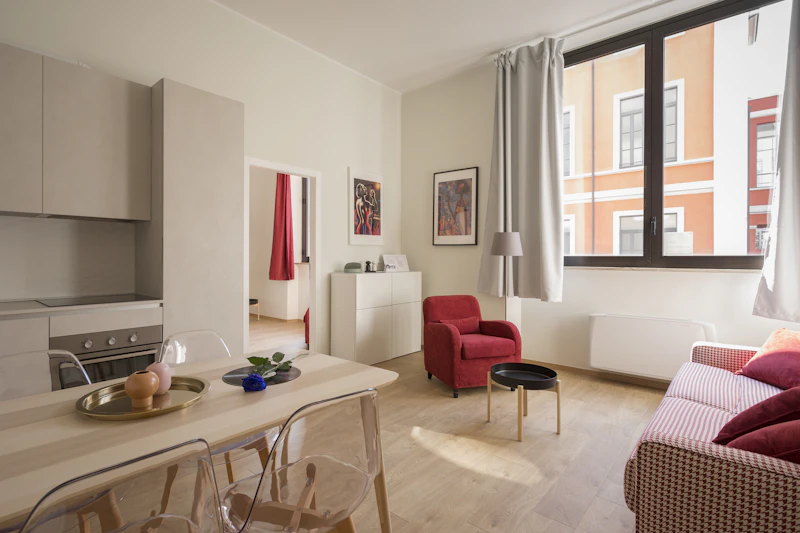
Fully furnished is the norm rather than the exception for expat-targeted rentals. Most units include everything from beds to kitchen equipment to washing machines. Partly furnished options at lower price points include basics only. Condo maintenance fees—covering pools, gyms, security, and common area upkeep—are paid by the owner rather than the tenant, meaning these facilities effectively come included with your rent at no additional cost.
The Rental Process
Property portals dominate the search: PropertyGuru, iProperty, and EdgeProp list most available units with photos, floor plans, and direct agent contact. Facebook groups—Expats in KL, Mont Kiara Community, and similar—sometimes surface deals before they reach portals, and recommendations from established expat communities can identify listings that never go public.
Required documents are straightforward: passport copies, visa documentation, and employment letter or proof of income. Malaysia is less bureaucratic than many Asian markets—guarantors are typically not required for employed expats with valid visas. Short-term rentals under one year exist but at premium prices of thirty to fifty percent above standard monthly rates. Standard leases run one or two years with one month's notice typically required for early termination.
Viewings happen quickly by Asian market standards. Agents respond within hours, viewings can be scheduled same-day or next-day, and the market moves fast enough that desirable units in prime areas disappear within days. Tenancy agreements are usually written in English, reasonably straightforward, and negotiable on key points. Reading carefully for renovation restrictions, subletting rules, and early termination clauses is worth the hour it takes.
The speed and informality of Malaysia's rental process contrasts sharply with more rigid Asian markets. In Japan, renting involves guarantors, key money, months of paperwork, and cultural gatekeeping that can exclude foreigners entirely. In South Korea, massive deposits lock up capital for years. Malaysia dispenses with most of this friction—you can identify a unit, negotiate terms, sign an agreement, and move in within a week. The informality has a downside: some landlords are equally casual about maintenance responsiveness or deposit returns. But for expats accustomed to adversarial rental markets, the Malaysian approach feels refreshingly human, built on handshakes and reasonable expectations rather than bureaucratic armor.
Apartment Features and Expectations
Malaysian condos prioritize facilities over unit size, and understanding this priority shapes how you evaluate options. Pools—often multiple—gyms, tennis courts, playgrounds, and twenty-four-hour security are standard inclusions rather than premium extras. Some developments add co-working spaces, putting greens, or rooftop gardens to differentiate themselves in a competitive market.
Air conditioning is essential—Malaysia is hot and humid year-round with no seasonal reprieve. Most units have split-unit AC in bedrooms and living areas. The condition of the AC systems matters practically: old or poorly maintained units drive up electricity costs substantially. Kitchen sizes vary more than in Western countries, with older local-style units offering minimal cooking space while expat-targeted developments provide Western-style kitchens that remain smaller than American equivalents.
Laundry typically happens in-unit with washer-dryers or separate machines. Balconies for drying are common features. Some buildings prohibit visible laundry drying for aesthetic reasons—worth confirming if you prefer hanging clothes to dry rather than machine drying. Parking usually comes included with one or two spots depending on unit size, with additional parking available to rent. Without a car, proximity to LRT or MRT stations significantly affects daily convenience.
Adapting to tropical building design priorities takes time for those arriving from temperate climates. Malaysian apartments prioritize ventilation and shade management over insulation and heating—concepts that seem obvious but reshape how you evaluate a unit. Cross-ventilation matters because electricity bills scale directly with air conditioning usage. North-facing units receive less direct sun and stay cooler naturally. Tiled floors throughout the unit, common here but unusual in Western homes, exist because they stay cool underfoot and handle humidity better than carpet. Once you internalize these priorities, apartment viewing becomes a different exercise entirely, and features that initially seemed unimportant—balcony orientation, window placement, ceiling height—reveal themselves as the factors that determine daily comfort.
Buying Property vs Renting
Foreigners can purchase property in Malaysia but face restrictions that make renting the rational default for most expats. The minimum purchase price for foreigners is RM 1 million—around $225,000—in most states, rising higher in prime areas of Penang and KL. This threshold eliminates most of the market that would otherwise represent accessible entry points.
MM2H visa holders receive some advantages in the property market but still face the same price minimums. Property investment for rental income is possible for those who qualify, though understanding local market dynamics matters—the rental yield calculation that works in one neighborhood may look very different in another. Leasehold versus freehold status matters significantly: leasehold properties, typically with ninety-nine year terms, depreciate in value as the lease shortens, while freehold provides permanent ownership and meaningfully better long-term value.
For most expats, renting makes clear sense unless committing to Malaysia long-term with significant confidence. The rental market is tenant-friendly with genuine value throughout. Property appreciation has been modest compared to regional neighbors, making the financial case for buying less compelling than simple cost comparisons suggest. If buying, working with reputable developers and experienced property lawyers is worth the expense—the process takes three to six months and having a knowledgeable guide smooths it considerably.
The oversupply dynamic in Malaysia's property market quietly works in tenants' favor in ways that aren't immediately obvious. Developers built aggressively during boom years, and certain segments—particularly luxury condos in KL's city center—now sit with vacancy rates that give renters unusual leverage. Landlords who might have dismissed negotiation a few years ago now consider longer lease discounts, included furnishing upgrades, or waived deposits to secure reliable tenants. Expats who understand this dynamic and negotiate confidently often secure arrangements significantly below listed prices, particularly for units that have sat empty for months. The market rewards patience and awareness more than urgency.
Your Malaysia Housing Strategy
Start with location based on your priorities: Mont Kiara or Bangsar for family life with international schools nearby, KLCC for urban convenience without a car, Penang for character and food culture, emerging areas like Ipoh or JB for maximum savings at the expense of some convenience. Each choice makes sense for a different set of priorities, and there's no universally correct answer.
Rental pricing is negotiable, especially for longer commitments or during slower periods. Don't accept the first price offered—five to ten percent reductions are common for well-qualified tenants. Offering to pay several months upfront in exchange for better monthly rates is a recognized negotiation approach that many landlords accept, particularly in a market with meaningful vacancy.
Use the first month as genuine exploration if possible. Short-term Airbnb stays—readily available across all major cities and price points—let you experience neighborhoods before committing to a lease. What looks good in listing photos may disappoint in practice, and hidden gems exist off the main portals in neighborhoods that well-meaning advice overlooks. Living somewhere for two to four weeks answers questions about daily noise, commute feel, and neighborhood character that no amount of research from abroad can resolve.
Written by
Carl S Moller
Founder & Editor, Expat Blueprint
Carl S Moller is the founder and sole editor of Expat Blueprint. He researches and writes every guide himself, working from immigration ministries, tax authorities, national statistics and recent first-hand reporting rather than claiming to have lived in all sixteen countries covered.
Keep the thread going
One reflective note every few weeks, and 20% off anything in the workbook shop the moment you sign up. The code is valid through 31 August 2026.
Unsubscribe any time. We never share your address. The 20% code is valid through 31 August 2026.