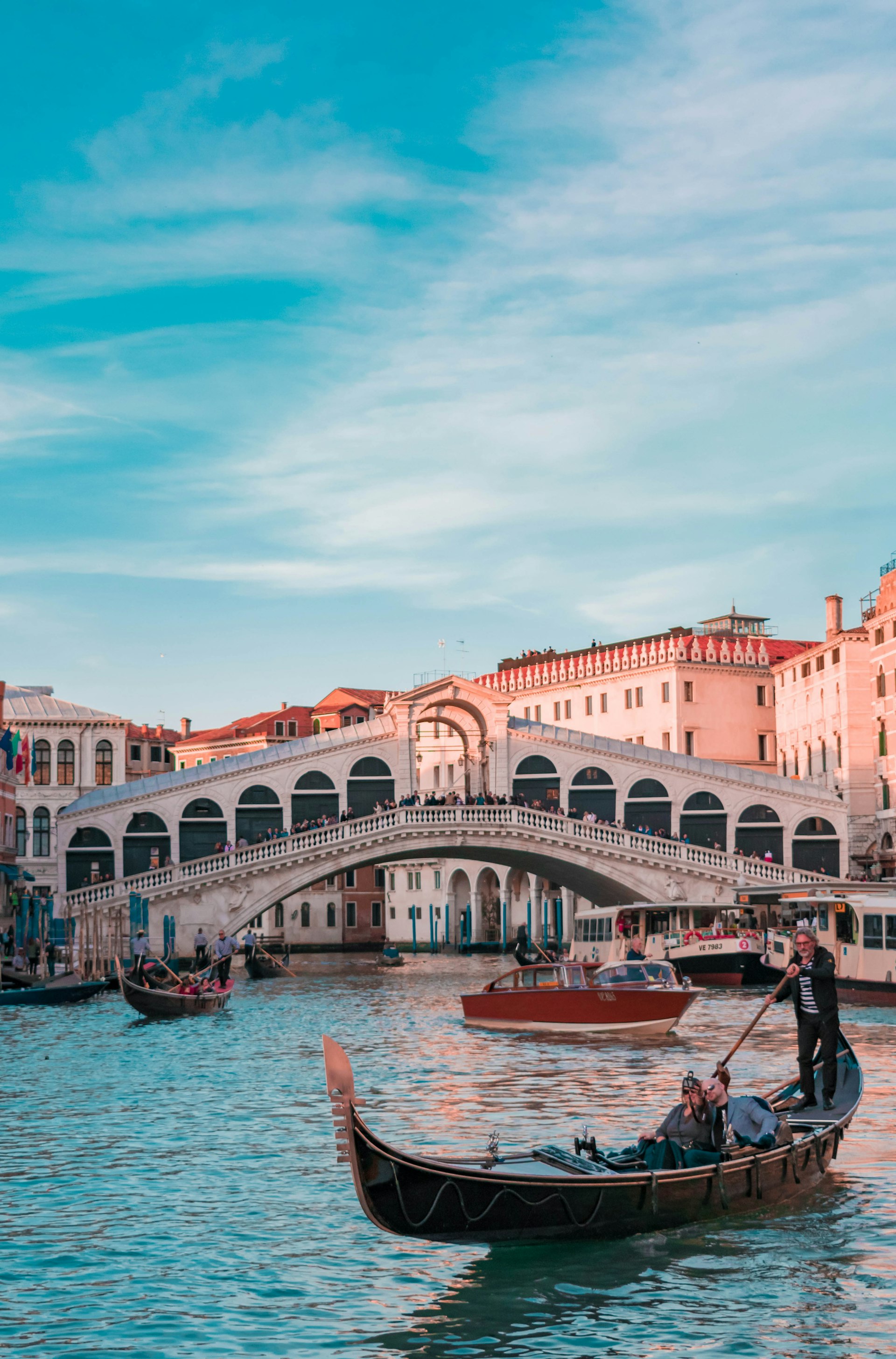
Cost of Living in Italy: The Complete 2026 Expat Budget Guide
What living in Italy costs in 2026: Milan and Rome versus southern towns, current rents, energy bills after liberalisation, and the tax regimes that matter.
13 min read
Italy captures hearts with its art, food, and dolce vita lifestyle, but living here costs more than many expats expect. While southern regions and smaller towns offer genuine affordability, Milan and major tourist cities rival Western European capitals. Understanding the real costs—from astronomical heating bills to surprisingly cheap wine—is essential for planning your Italian adventure.
Quick Takeaways
- •A comfortable single budget is roughly €2,050-2,300 in Milan or Rome, far less in the south
- •Housing still ranges from around €300 in interior southern towns to €1,400 in central Milan
- •The regulated energy tariff has ended for non-vulnerable households; expect around €0.28/kWh
- •The impatriati regime now exempts 50% of income, capped at €600,000, for five years
- •The 7% southern pensioner regime now covers towns of up to 30,000 inhabitants
- •Fuel sits near €1.85-2.09 per litre, one of the higher rates in Western Europe
The gap between what Italy costs in imagination and what it costs in reality catches most expats by surprise. Glossy travel magazines show aperitivo terraces and vineyard sunsets, but nobody mentions the heating bill that arrives in January or the condominium fees that quietly double your rent. Italy's cost of living defies simple categorization because the country itself resists it. A retired teacher in Puglia and a marketing director in Milan inhabit the same nation but entirely different economic realities. The north-south divide isn't just cultural—it's financial, structural, and practically speaking, it determines whether your savings stretch for years or months.
Two things have shifted since the guides most people are working from were written. The regulated electricity market closed to ordinary households, which means your bill now follows the market rather than a protective tariff, and the tax regimes that draw foreigners to Italy were all rewritten. The impatriati relief was cut back, the flat tax for wealthy new residents rose to €300,000 from the start of 2026, and the seven percent pensioner regime in the south was widened to towns of up to thirty thousand people. Any of those can matter more to your annual arithmetic than the rent.
Understanding these differences isn't optional. It's the foundation of every other decision you'll make about life in Italy, from which city to choose to whether the move makes sense at all. What follows draws on the actual budgets expats maintain, not the theoretical figures travel blogs recycle from outdated databases.
Housing Costs Across Italy
Italy's housing market reflects the country's dramatic regional differences, with prices varying more than almost any other European country.
In Milan, Italy's economic capital, a modest one-bedroom in central areas like Navigli or Brera runs roughly €1,000-1,550, with the median in the prime districts sitting near €1,300-1,400 and central rents quoted at €30-45 per square metre. Outer neighbourhoods still land around €800-1,100. What has changed is the direction: after four years of steep increases, Milan's rent growth visibly cooled through 2025 and into 2026. It has not reversed. It has simply stopped accelerating, which after the previous few years feels like relief.
Rome offers more variety and has been moving the other way, pushed by short-let conversions and the residue of Jubilee-year demand. A central one-bedroom now sits around €1,100-1,400, while Trastevere, Testaccio or Pigneto can still be found closer to €900-1,200. The further from the centre, the more affordable — though public transport limits become a factor.
Florence is the tightest market in the country relative to local wages, with one-bedrooms commonly €1,000-1,550 and tourist short-lets absorbing much of the stock. Venice presents the same problem in a more extreme form. Both are beautiful and both are financially punishing for long-term residents.
The real value lies in the south and the less fashionable north. Bologna runs €850-1,100, Turin €650-900, Naples €600-850 in the centre with the seafront and Vomero pushing higher. In the interior towns of Puglia, Calabria, Abruzzo and Basilicata, a decent one-bedroom is often €250-450, and in genuinely depopulating hill towns less than that. These figures come from agency listings rather than any statistical panel, so treat them as the shape of the market rather than a promise, and note that the same towns are the ones being targeted by the widened pensioner tax regime.
Utilities deserve special mention, and more so since the regulated tariff ended. Italian homes are often poorly insulated, gas heating in the north can reach €200-400 a month in the depths of winter, and summer air conditioning adds €80-150. Budget €150-250 as a monthly average, and expect the swing between February and May to be larger than you think reasonable.
The deposit structure differs from many countries. Expect to pay two to three months rent upfront as cauzione, plus agency fees equivalent to one month's rent plus 22% VAT. First month's rent is due immediately. This means your initial housing outlay can reach five months' rent before you sleep a single night in your new apartment—a cash flow reality that catches many newcomers unprepared.
Condominium fees represent a cost category that doesn't exist in many countries. These monthly charges cover building maintenance, stairwell cleaning, elevator service, and sometimes centralized heating. In northern cities with older buildings, condominium fees range from €80 to €300 monthly. They're separate from rent and usually non-negotiable.
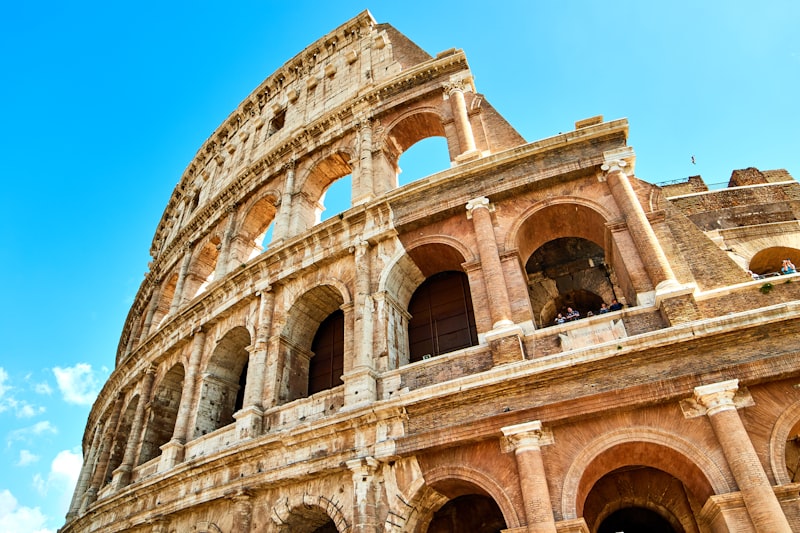
Food and Dining: From Markets to Trattorias
Italy's food culture is legendary, and surprisingly, eating well here costs less than you might expect—if you embrace local habits.
Markets and local shopping are where Italy shines. Fresh produce at weekly markets costs a fraction of supermarket prices. A week's vegetables might run €15-25. Local butchers, bakeries, and cheese shops offer quality and value that supermarkets cannot match.
Coffee culture remains beautifully affordable. A standing espresso at a bar costs €1-1.20. Sit down and prices double or triple—locals stand for a reason. A cornetto (croissant) and cappuccino breakfast runs €2.50-3.50.
Eating out follows predictable patterns. A lunch menu (primo, secondo, water) at a local trattoria costs €12-18. Dinner runs €25-40 for a full meal with wine. Pizza and casual dining costs €10-15 per person. Fine dining exists at fine dining prices.
Wine is remarkably affordable. Decent table wine costs €3-6 at supermarkets, very good wines €8-15. House wine at restaurants runs €8-15 per liter—often excellent quality. Italy may be the best value for wine in Europe.
Grocery shopping at supermarkets (Esselunga, Coop, Conad) costs €250-400/month for a couple cooking at home. Add €100-200 for dining out moderately, and food becomes one of Italy's genuine values.
Seasonal eating reduces costs further and improves quality simultaneously. Italian markets price seasonal produce aggressively—artichokes in spring, tomatoes in summer, porcini in autumn—while out-of-season imports carry premiums. Learning to cook with what's available rather than what you want is both cheaper and more satisfying. Most Italian home cooking follows this principle, which is why regional dishes exist in the first place.
The aperitivo tradition deserves its own budget line. Between 6pm and 8pm, bars across Italy offer drinks (typically €6-12) accompanied by complimentary food ranging from modest nuts and olives to elaborate buffets. In Milan and Bologna particularly, aperitivo can replace dinner entirely. The cultural expectation is to linger, socialize, and eat moderately—not to load plates. Understanding this distinction marks the difference between a pleasant ritual and an awkward display of tourist enthusiasm.
If this is the part you keep circling back to, Find Your Place is the workbook we built around exactly that question — where fits my life? See how it works.
Getting Around: Transportation Costs
Transportation in Italy mixes excellent inter-city connections with variable local infrastructure.
In major cities, public transport is affordable but quality varies. Milan's metro is genuinely excellent, with a €39 monthly pass or €330 for the year, dropping to €22 a month for the under-27s and lower still for households below the ISEE income thresholds. Rome's Metrebus monthly pass has held around €35 even after ATAC raised single-ticket prices. Smaller cities rely on buses with varying reliability, and monthly passes elsewhere run €30-50.
Trains connect Italian cities beautifully. The high-speed network (Frecce) links Milan, Florence, Rome, and Naples quickly—Milan to Rome in 3 hours for €40-90. Regional trains are slower but cheap, €5-20 for medium distances. Book in advance for best prices.
Owning a car outside major cities becomes almost essential, and fuel is one of the places Italy is genuinely expensive by European standards. Self-service petrol has been running around €1.85-1.99 a litre through 2026 and diesel €1.95-2.09, briefly dipping under two euros after the summer excise adjustment, with motorway stations charging more again. Insurance runs €400-800 a year. Parking in cities is expensive and stressful at €100-200 a month for a garage, and the ZTL zones in historic centres mean significant fines if you enter without a permit.
In cities, many expats skip car ownership entirely. Walking and cycling are pleasant in most Italian cities, and car-sharing services (Enjoy, ShareNow) fill gaps. Outside cities, a car dramatically improves quality of life.
Domestic flights connect major cities but trains often compete on time when you factor in airport logistics. Low-cost carriers serve some routes cheaply, though baggage fees add up.
The autostradale (highway toll) system adds costs that surprise drivers from countries with free motorways. Milan to Rome by car costs roughly €45 in tolls alone, plus fuel. The telepass electronic payment system (€2.50/month subscription) eliminates toll booth queues but doesn't reduce the fees themselves. For regular inter-city drivers, toll costs become a significant monthly line item.
Bicycle infrastructure varies enormously. Milan and Bologna have invested heavily in bike lanes and sharing programs. Rome's hills and chaotic traffic make cycling adventurous rather than practical. Many smaller cities lack dedicated infrastructure entirely. Electric bikes have become popular for navigating Italy's hilly terrain, with purchase subsidies occasionally available through municipal programs.

Healthcare: Quality Care Through the National System
Italy's healthcare system consistently ranks among the world's best, and legal residents have access to the national system (SSN) at minimal cost.
Registering with SSN as a resident gives you a family doctor (medico di base) and access to public healthcare. You pay a small annual fee (€387 for non-employed residents) plus modest co-pays called 'ticket'—typically €30-50 for specialist visits or tests.
Wait times are the SSN's challenge. Non-urgent specialist appointments can take months. Many Italians use private healthcare for faster access while maintaining SSN for emergencies and major care. This hybrid approach works well for most expats.
Private healthcare is affordable by international standards. A specialist visit runs €80-150. Private health insurance costs €600-2,000/year depending on age and coverage. Many expats maintain private insurance for convenience while accessing SSN for major needs.
Pharmacies in Italy are professional and well-stocked. Many medications requiring prescriptions elsewhere are available over-the-counter. Generic drugs are widely available. A pharmacist can advise on minor ailments and often save you a doctor visit.
Dental care is not covered by SSN and can be expensive—similar to other Western European countries. Many Italians travel to Croatia or Albania for major dental work. A cleaning runs €80-120, fillings €100-200, and crowns €500-900. Dental tourism has become normalized enough that some Italian dentists have adjusted prices downward in response, though major procedures remain costly.
Building Your Italy Budget
Italy can work at various budget levels, but expectations must match location choices.
A frugal life in a small southern town runs roughly €800-900 a month in 2026: around €300 of rent, €100 of utilities, €200 of groceries, a car with modest fuel, and something left over. It requires cooking at home and living locally rather than as an expat, and it is genuinely not available in Milan, Florence or Rome at any level of discipline.
The comfortable single in Milan or Rome now lands at €2,050-2,300, dominated by a €1,200-1,400 one-bedroom, with a transport pass, real groceries, some eating out and a gym. A couple in Bologna comes out at roughly €2,050-2,250 between them, which remains one of the better trades available in northern Italy. A retired couple renting in Puglia or Abruzzo can live on €1,350-1,450, considerably less if they own outright, and less again on the seven percent regime.
A family in Milan or Rome using an international school is looking at €4,500-7,000 and upward. Tuition of €10,000-25,000 per child per year is the dominant variable, and two children at a top-tier school will push the total past six thousand a month before anyone has been to the dentist.
Key recommendations: Visit for an extended period before committing—regional differences are enormous. Factor heating costs into your northern Italy budget seriously. Learn to shop like Italians—markets, local shops, seasonal produce. Budget for patience with bureaucracy. Consider the south seriously if budget matters—the lifestyle can be extraordinary at half the cost.
Italy rewards those who adapt to local rhythms. The dolce vita is real, but it emerges from embracing Italian ways of doing things rather than importing expectations from elsewhere.
Written by
Carl S Moller
Founder & Editor, Expat Blueprint
Carl S Moller is the founder and sole editor of Expat Blueprint. He researches and writes every guide himself, working from immigration ministries, tax authorities, national statistics and recent first-hand reporting rather than claiming to have lived in all sixteen countries covered.
Keep the thread going
One reflective note every few weeks, and 20% off anything in the workbook shop the moment you sign up. The code is valid through 31 August 2026.
Unsubscribe any time. We never share your address. The 20% code is valid through 31 August 2026.